
Insights
Analysis and practitioner notes on AI transformation readiness, use case prioritization, ROI estimation, and AI governance for enterprise technology leaders.
-
 October 13, 2026
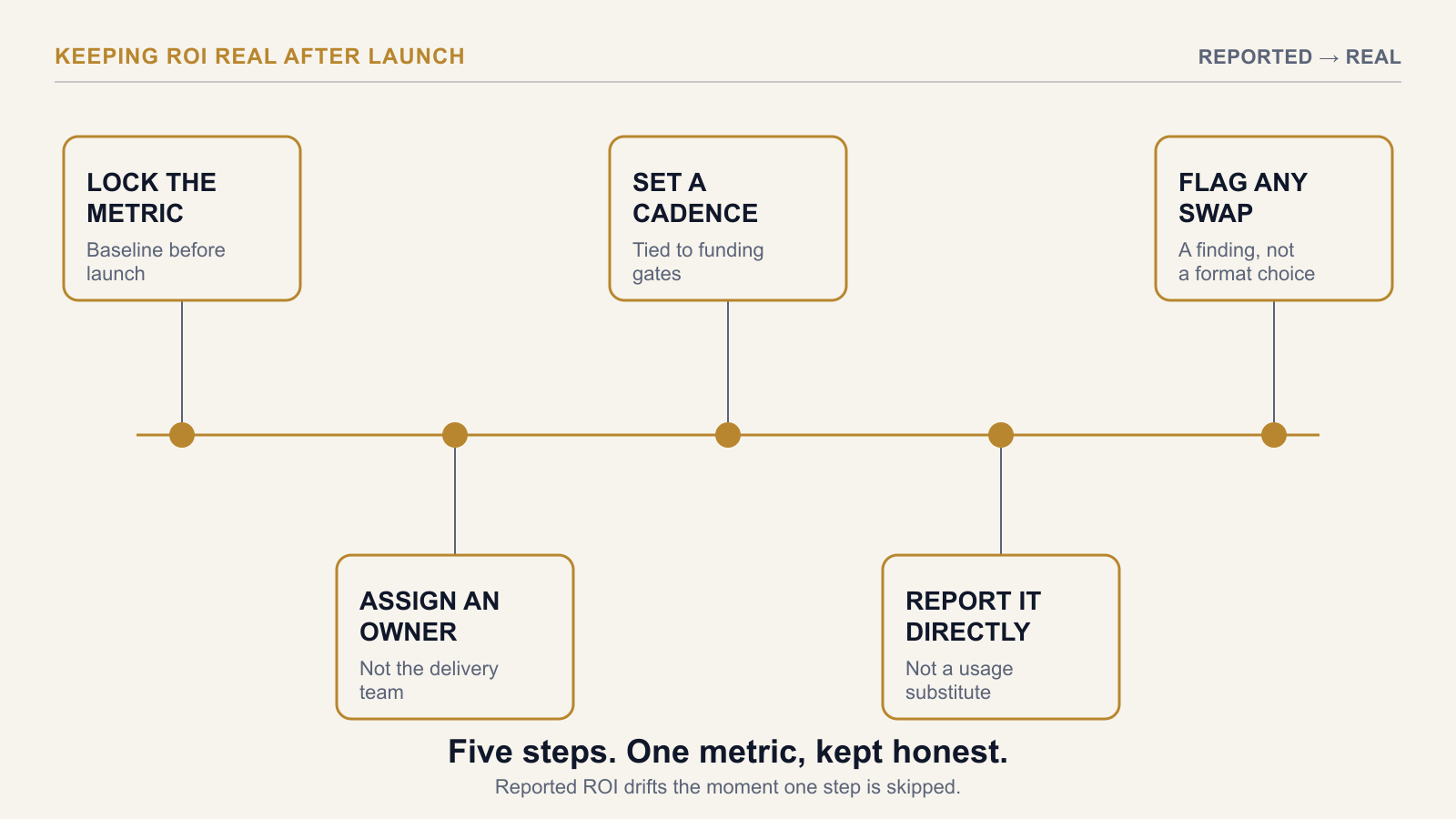
How to Get Real AI ROI, Not Reported ROI
To get real AI ROI rather than reported ROI, lock the exact metric the business case was funded on before launch, assign someone other than the delivery team…
Read the post → -
 October 13, 2026
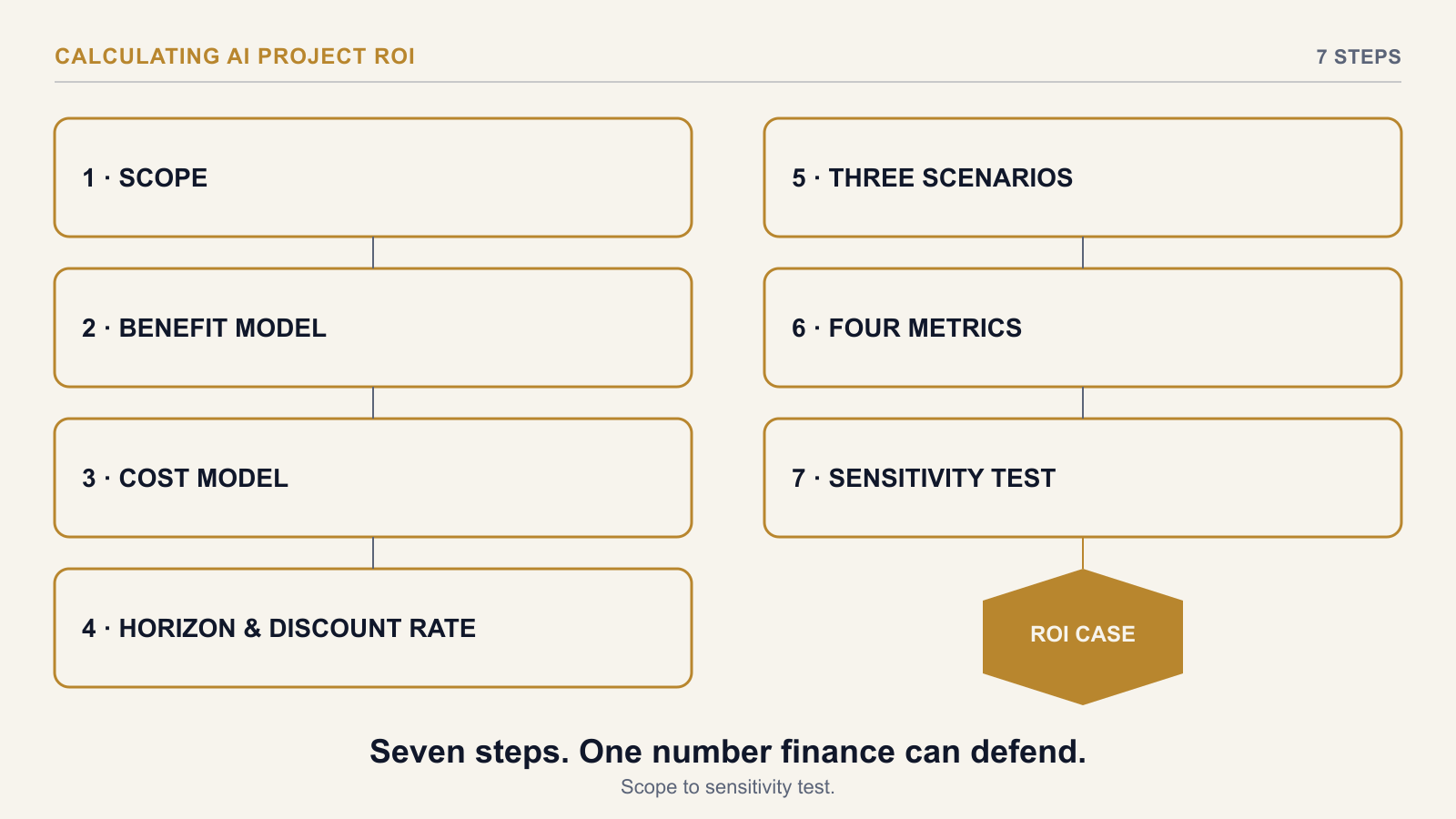
How to Calculate the ROI of an AI Project, Step by Step
To calculate the ROI of an AI project, scope what's being measured, build a complete benefit model and a complete cost model, choose a time horizon and…
Read the post → -
 October 13, 2026
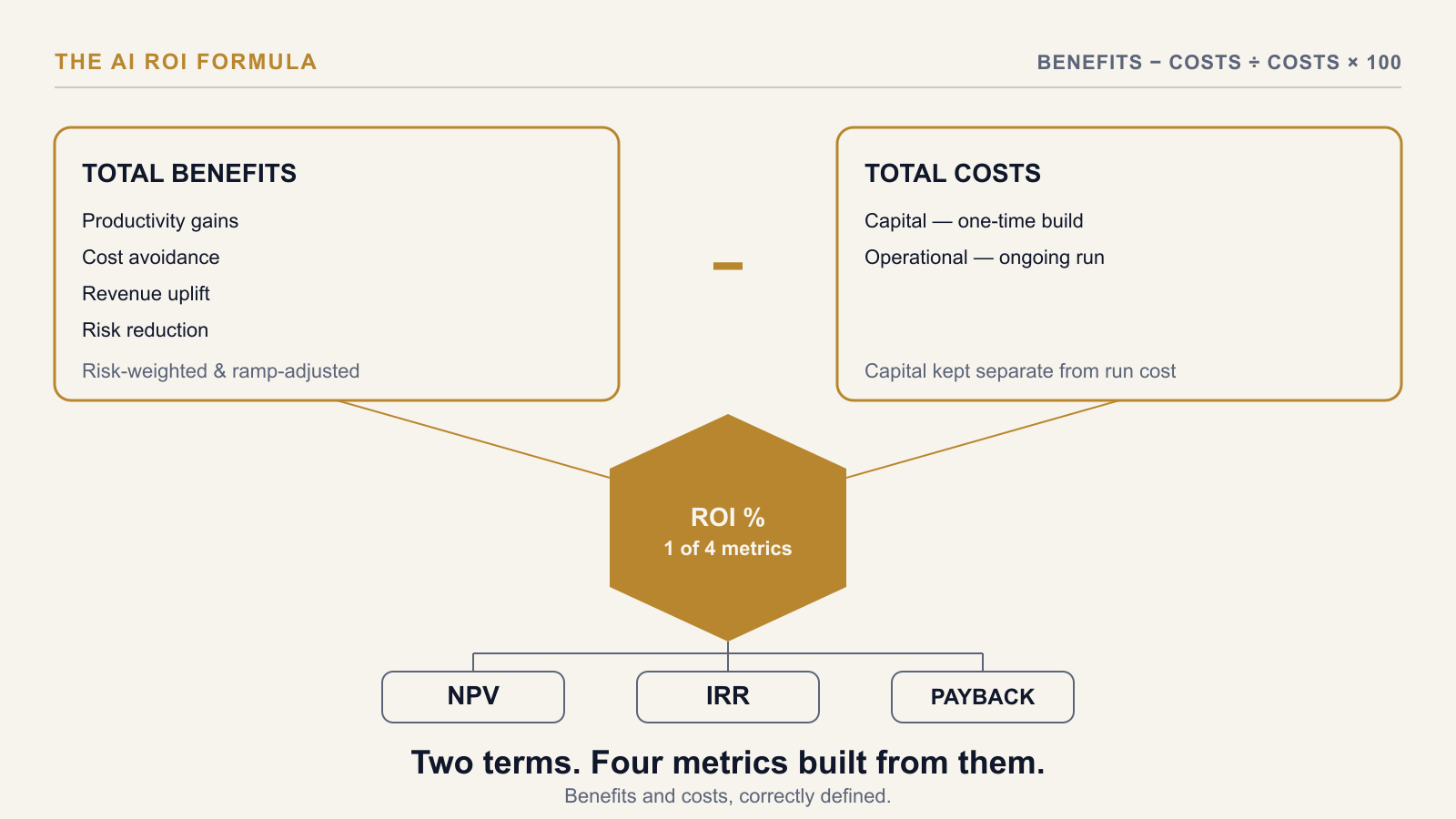
The AI ROI Formula and What Belongs in Each Term
The core AI ROI formula is: ROI % = (Total Benefits − Total Costs) ÷ Total Costs × 100. Benefits and Costs are not single numbers — each is…
Read the post → -
 October 13, 2026
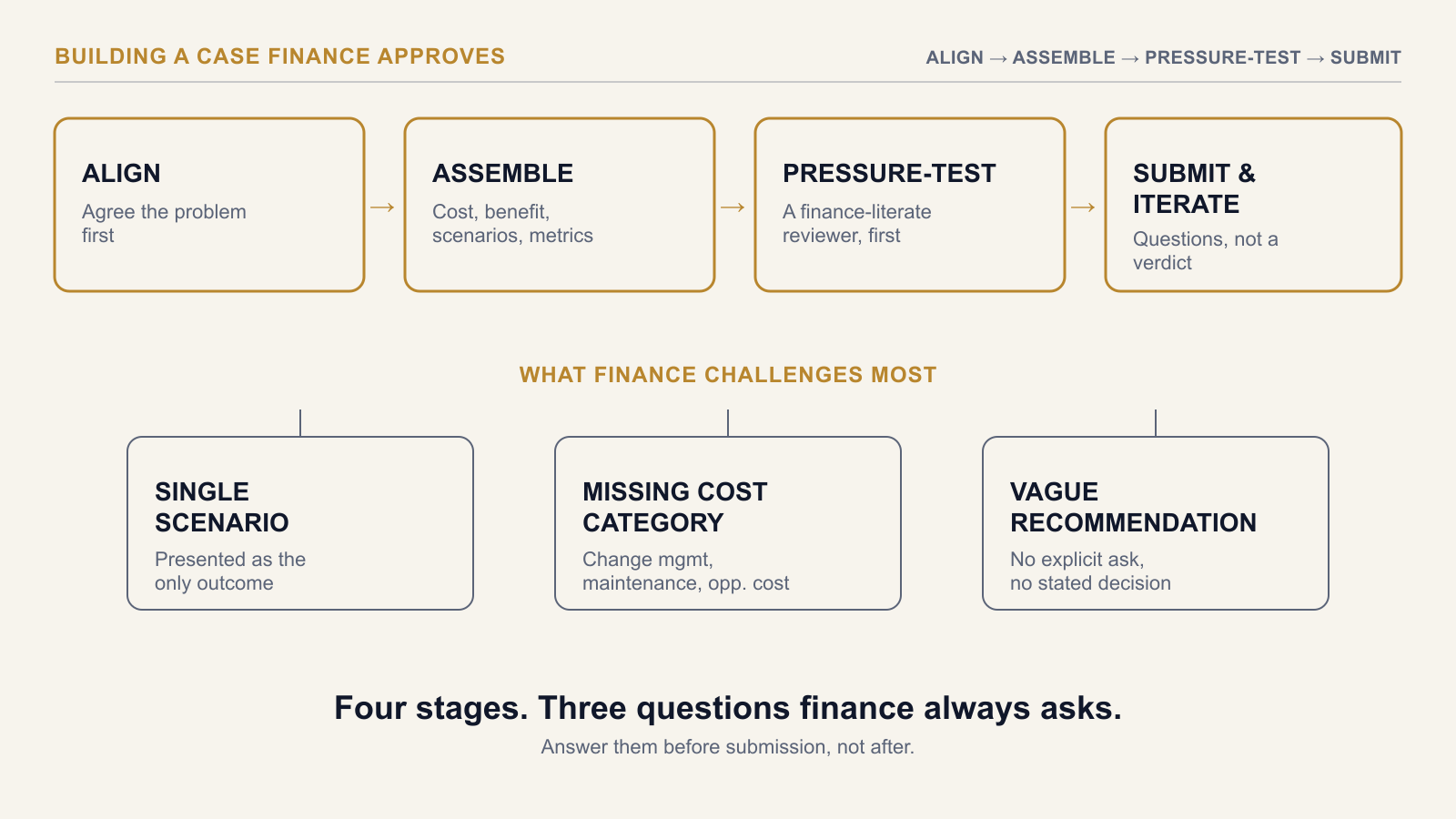
How to Build an AI Business Case Finance Will Approve
To build an AI business case finance will approve, align stakeholders on the specific problem before any numbers get built, assemble the case's pieces —…
Read the post → -
 October 13, 2026
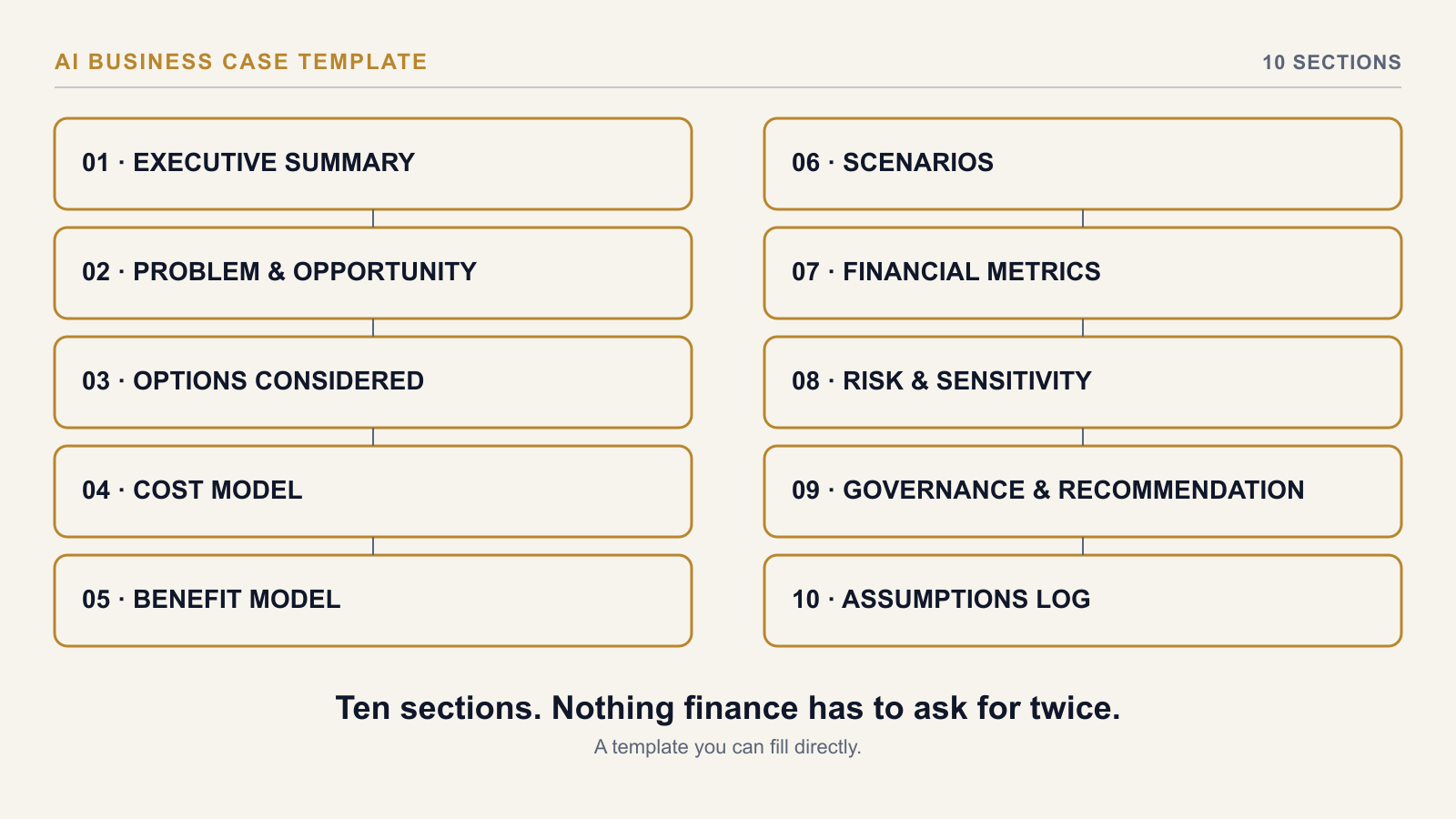
AI Business Case Template: Sections Finance Expects
A finance-ready AI business case template has ten sections: Executive Summary, Problem & Opportunity Statement, Options Considered, Cost Model, Benefit…
Read the post → -
 October 13, 2026
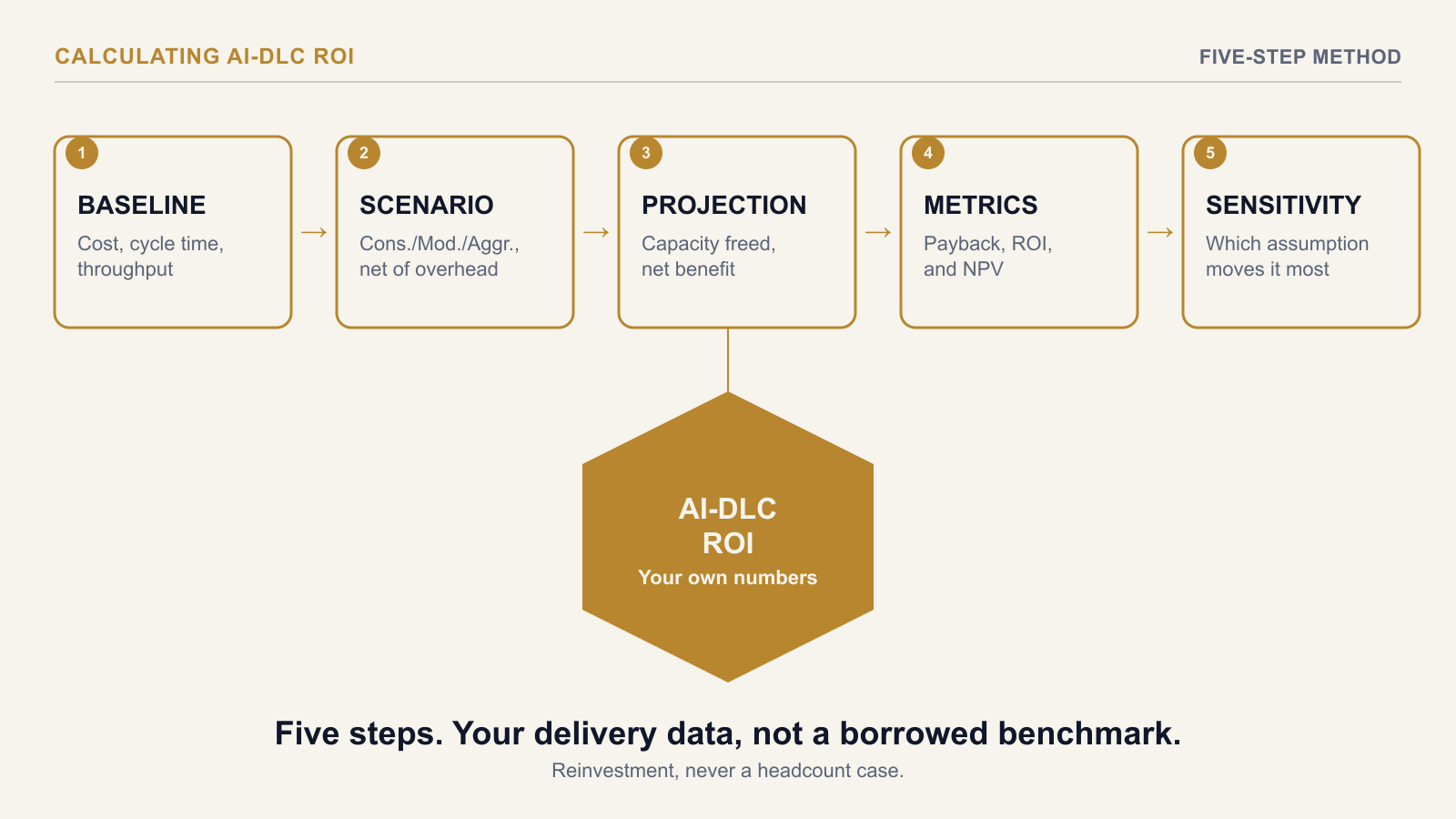
How to Calculate the ROI of AI-Driven Software Delivery
To calculate the ROI of AI-driven software delivery, start from this team's own current-state delivery costs — not a vendor's published productivity multiple —…
Read the post → -
 October 11, 2026
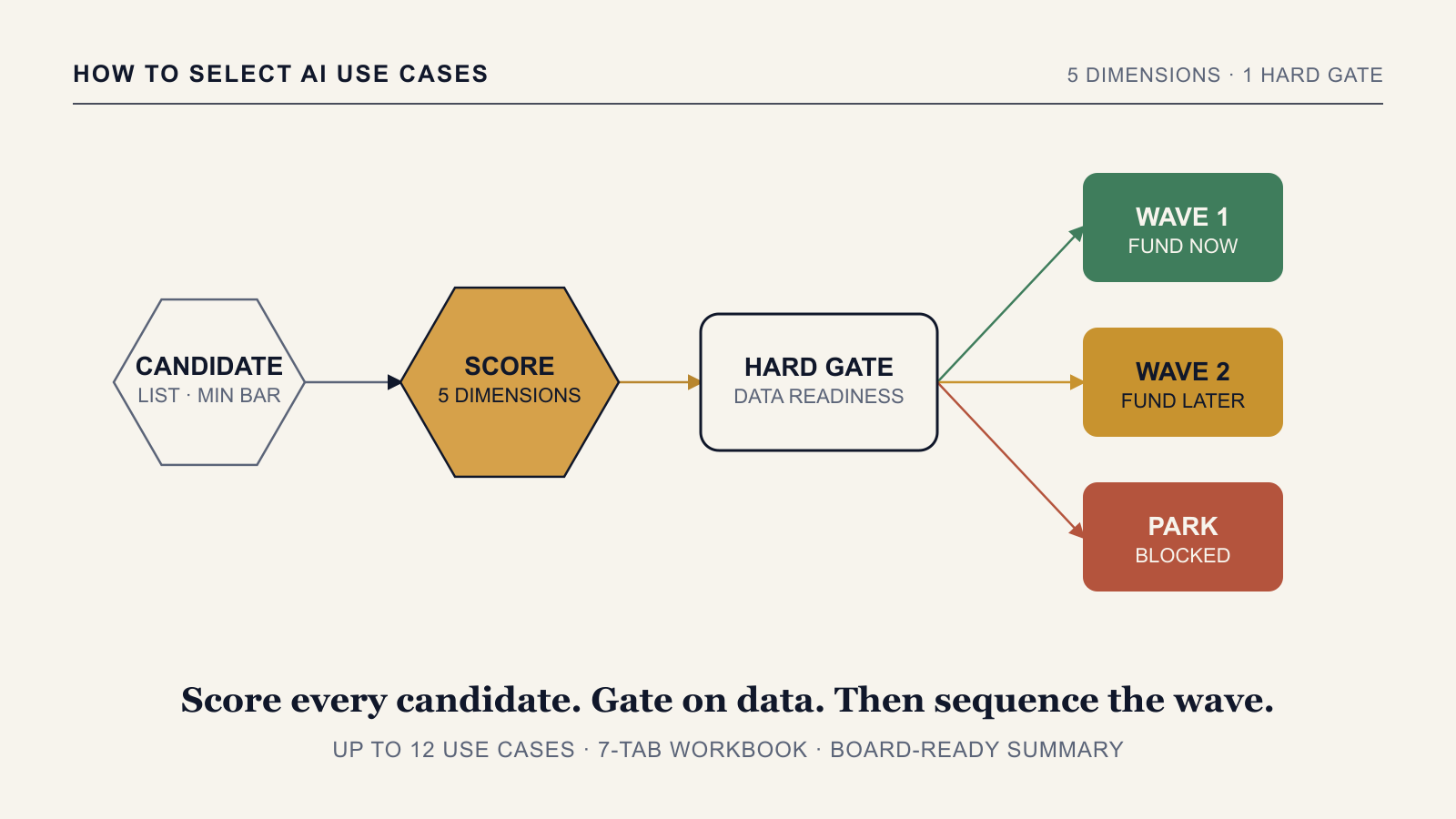
How to Select Use Cases for AI Adoption
Selecting use cases for AI adoption means scoring every candidate against the same weighted criteria — business value, implementation feasibility, data readiness,…
Read the post → -
 October 11, 2026
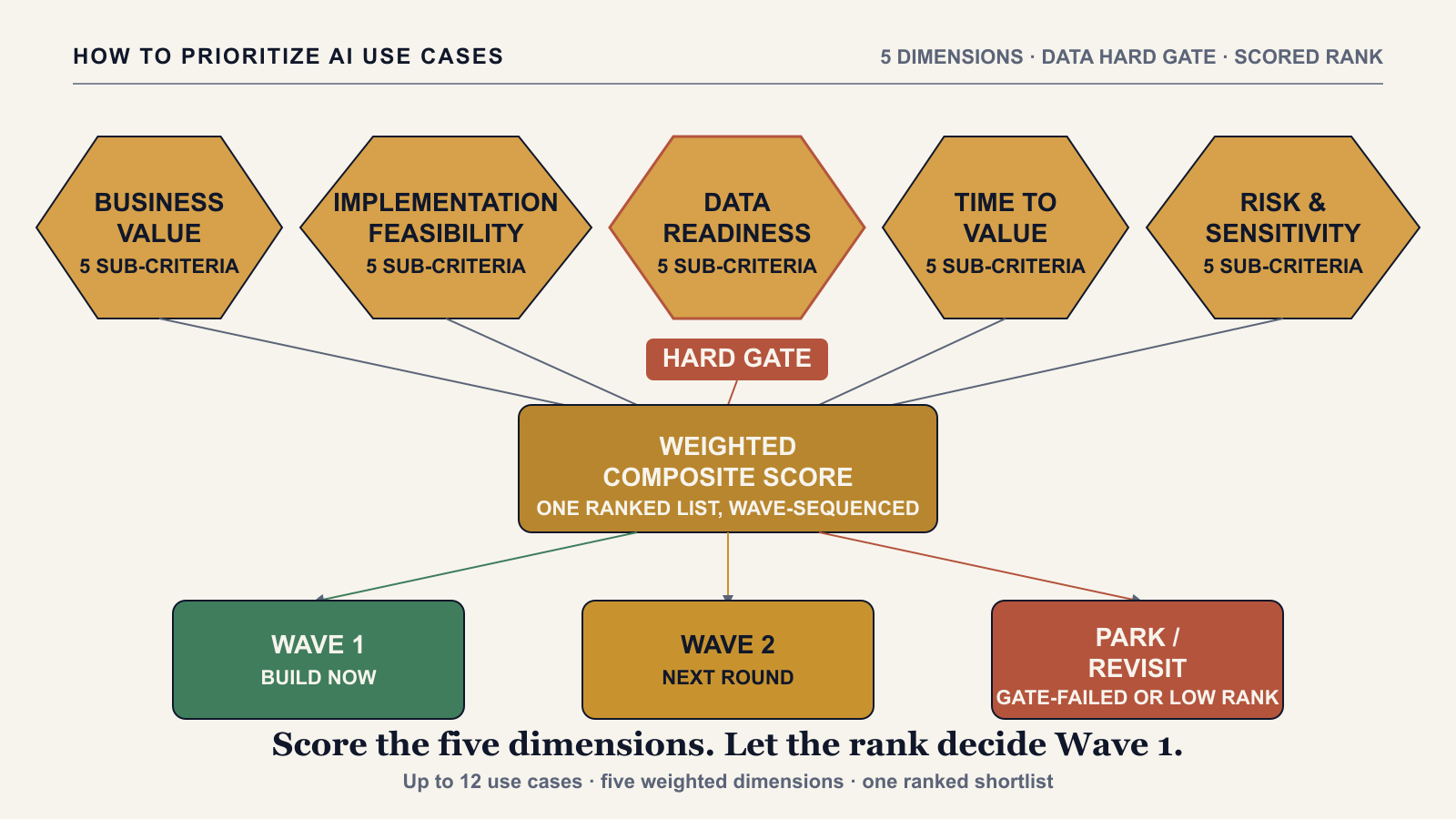
How to Prioritize AI Use Cases: A Scored Approach
To prioritize AI use cases, score every candidate against the AI Use Case Prioritization Framework's five weighted dimensions — Business Value, Implementation…
Read the post → -
 October 11, 2026
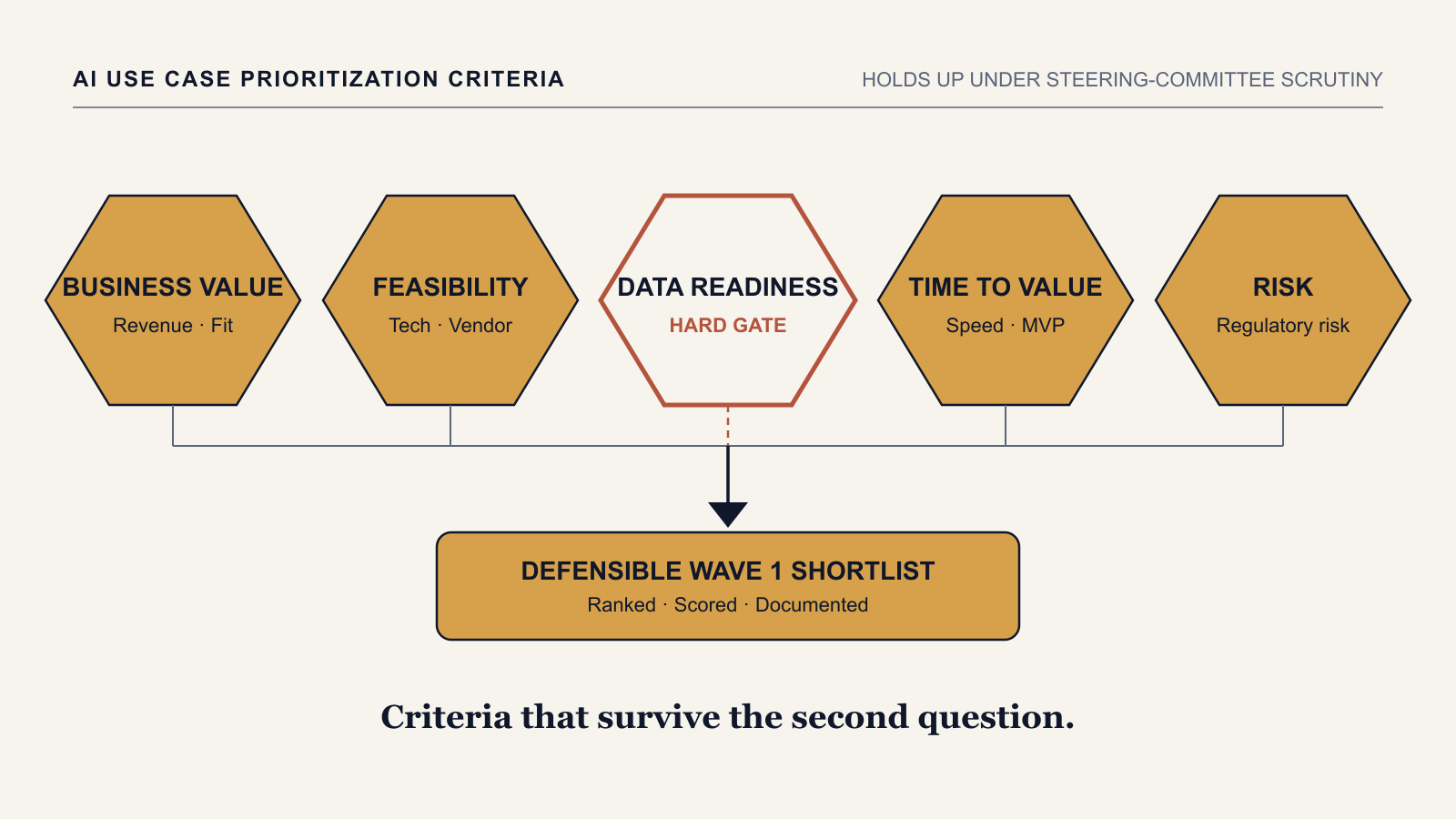
AI Use Case Prioritization Criteria That Hold Up in a Steering Committee
AI use case prioritization criteria are the explicit, scorable dimensions a programme uses to rank candidate AI initiatives before committing delivery resources —…
Read the post → -
 October 11, 2026
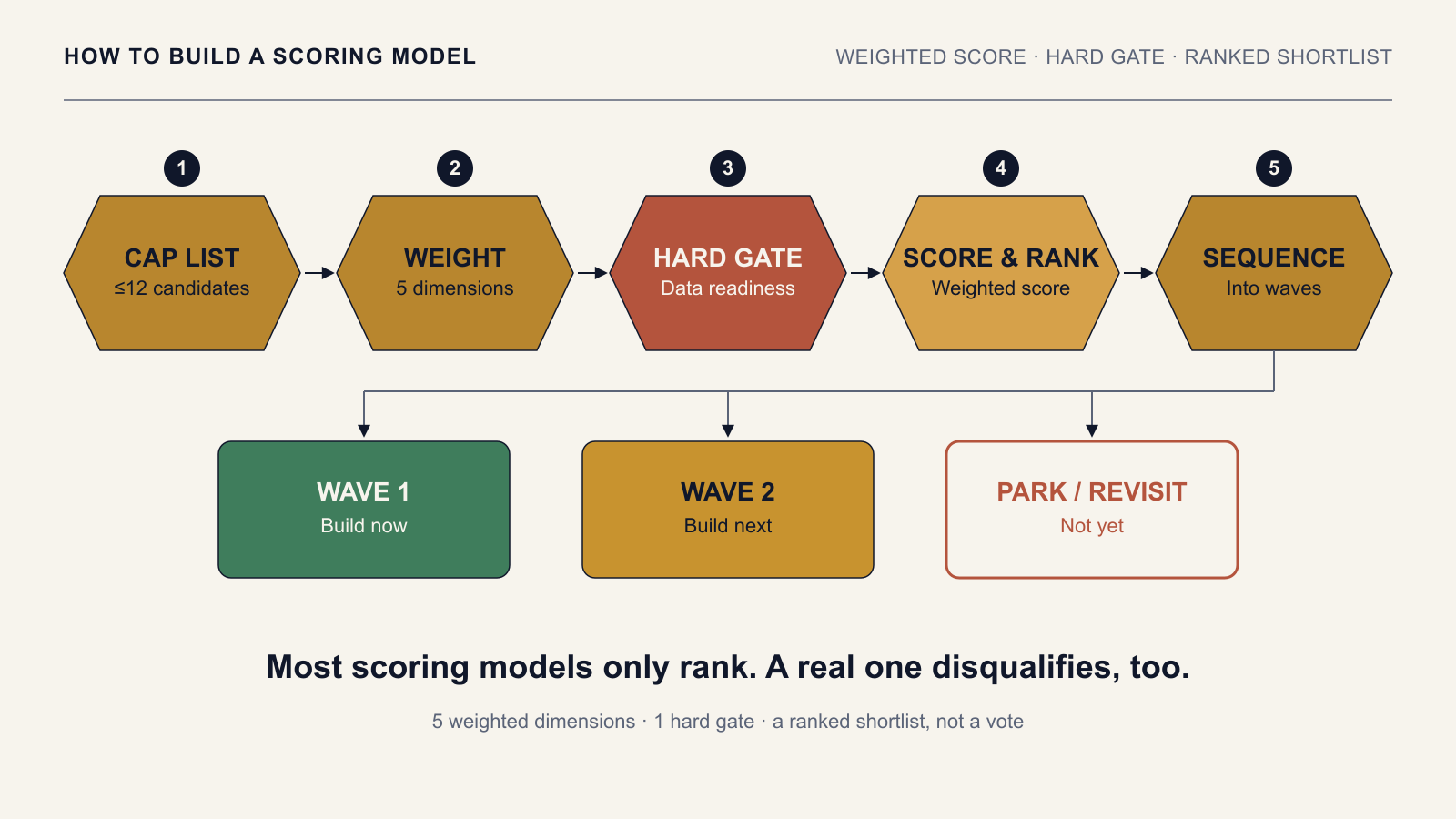
How to Build an AI Use Case Scoring Model
An AI use case scoring model is a weighted scorecard that ranks a bounded list of candidate AI initiatives against a fixed set of dimensions — typically business…
Read the post → -
 October 11, 2026
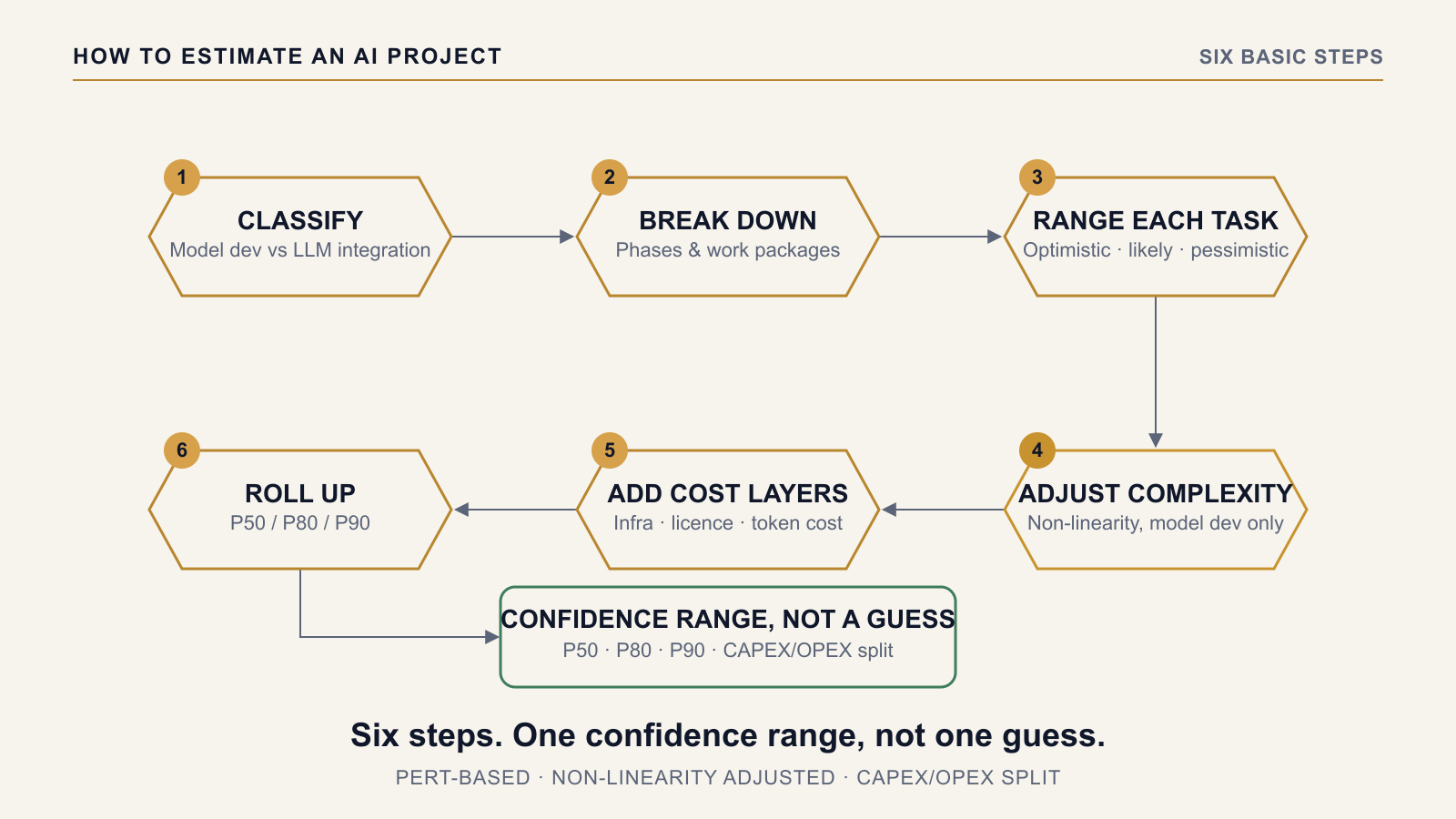
How to Estimate an AI Project
To estimate an AI project, classify it first as either model development or LLM integration, break the resulting scope into a phase-based work breakdown, estimate…
Read the post → -
 October 11, 2026
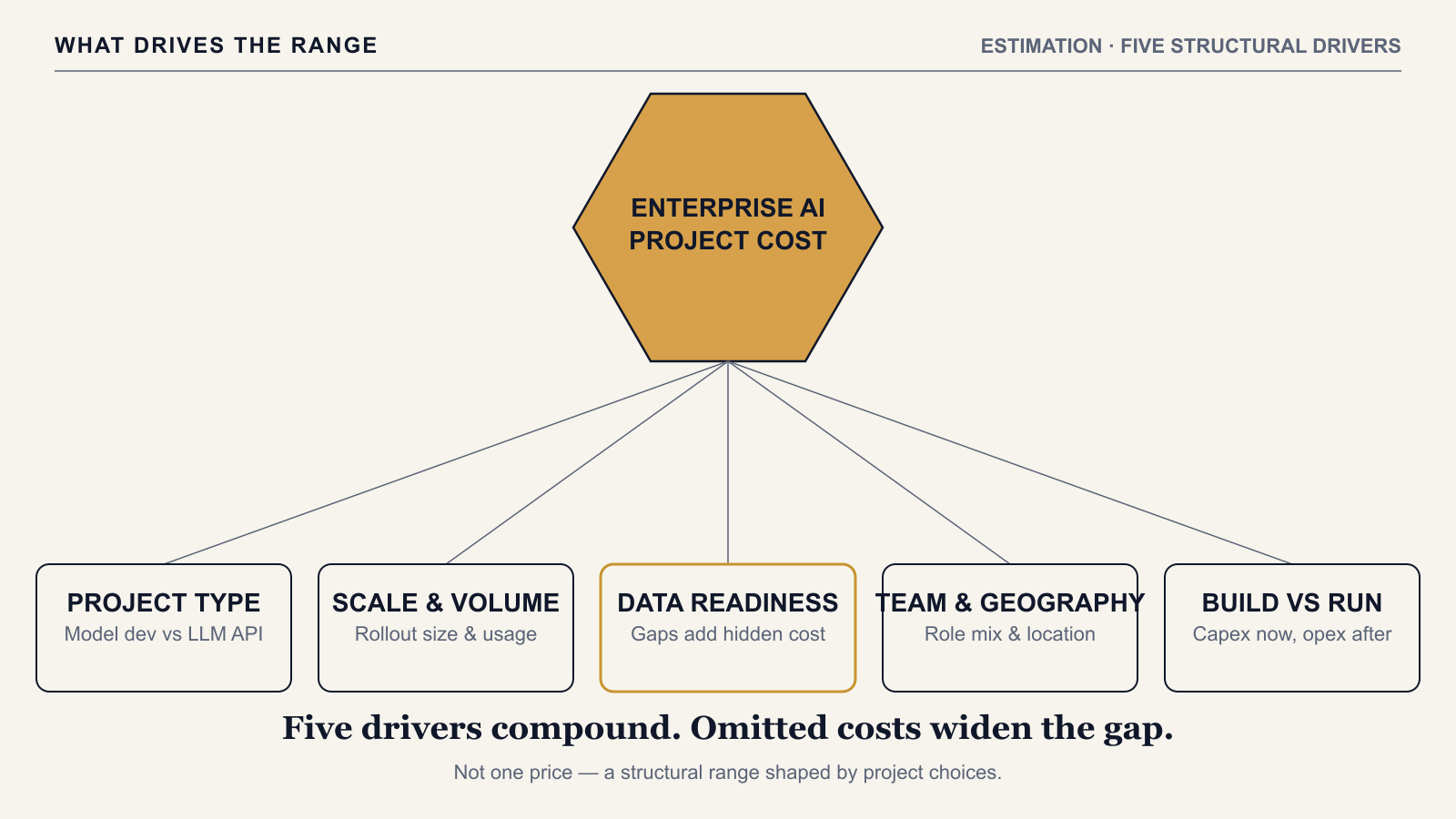
How Much Does an Enterprise AI Project Cost, and What Drives the Range
There is no single number that answers how much an enterprise AI project costs, because AI programmes do not sit on one cost curve — they sit on several, set by a…
Read the post → -
 October 11, 2026
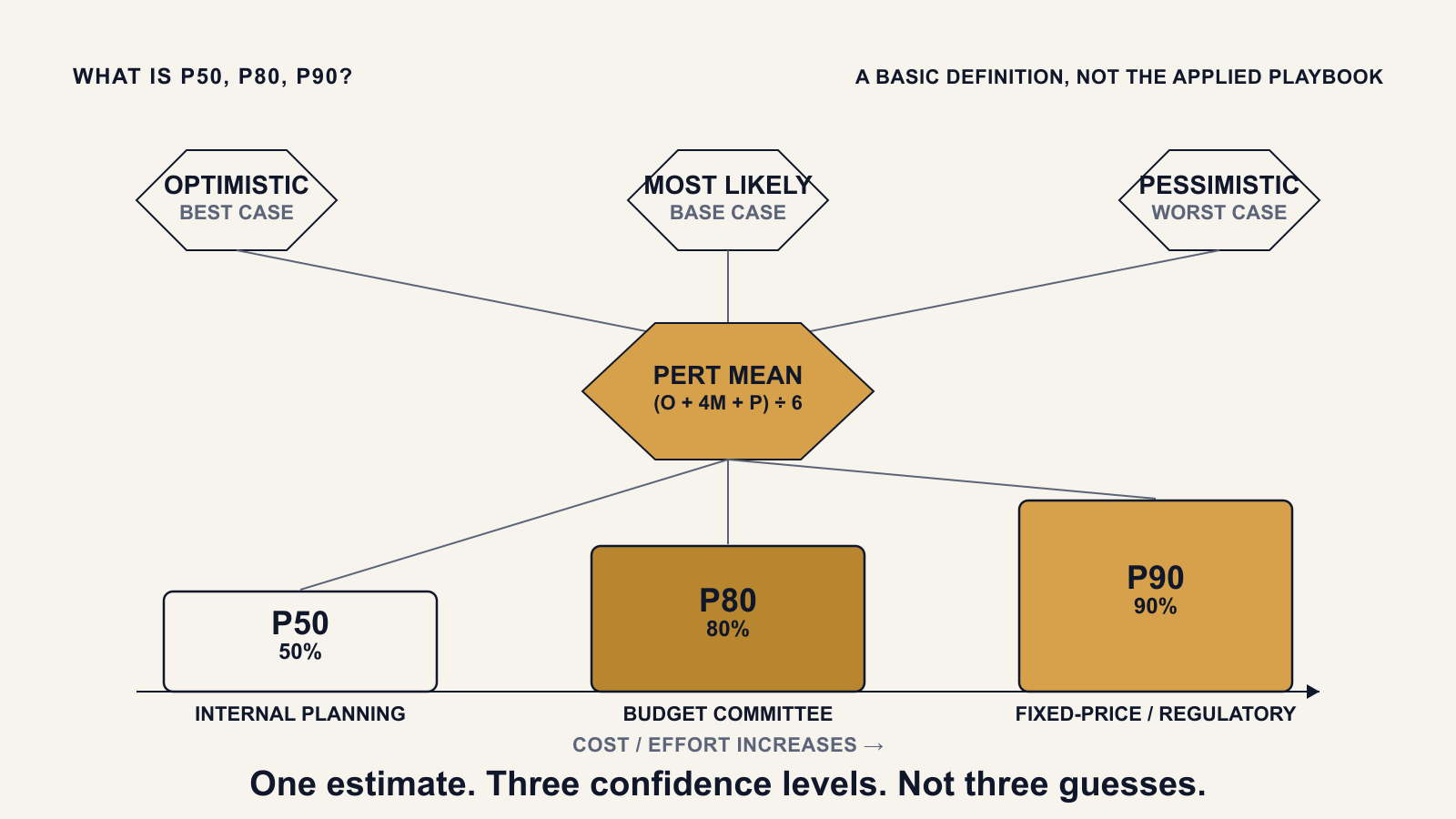
What Are P50, P80 and P90 in Project Estimation
P50, P80, and P90 are confidence percentiles used in project estimation to express a cost or effort figure as a range of likelihood, not a single fixed number. P50…
Read the post → -
 October 11, 2026
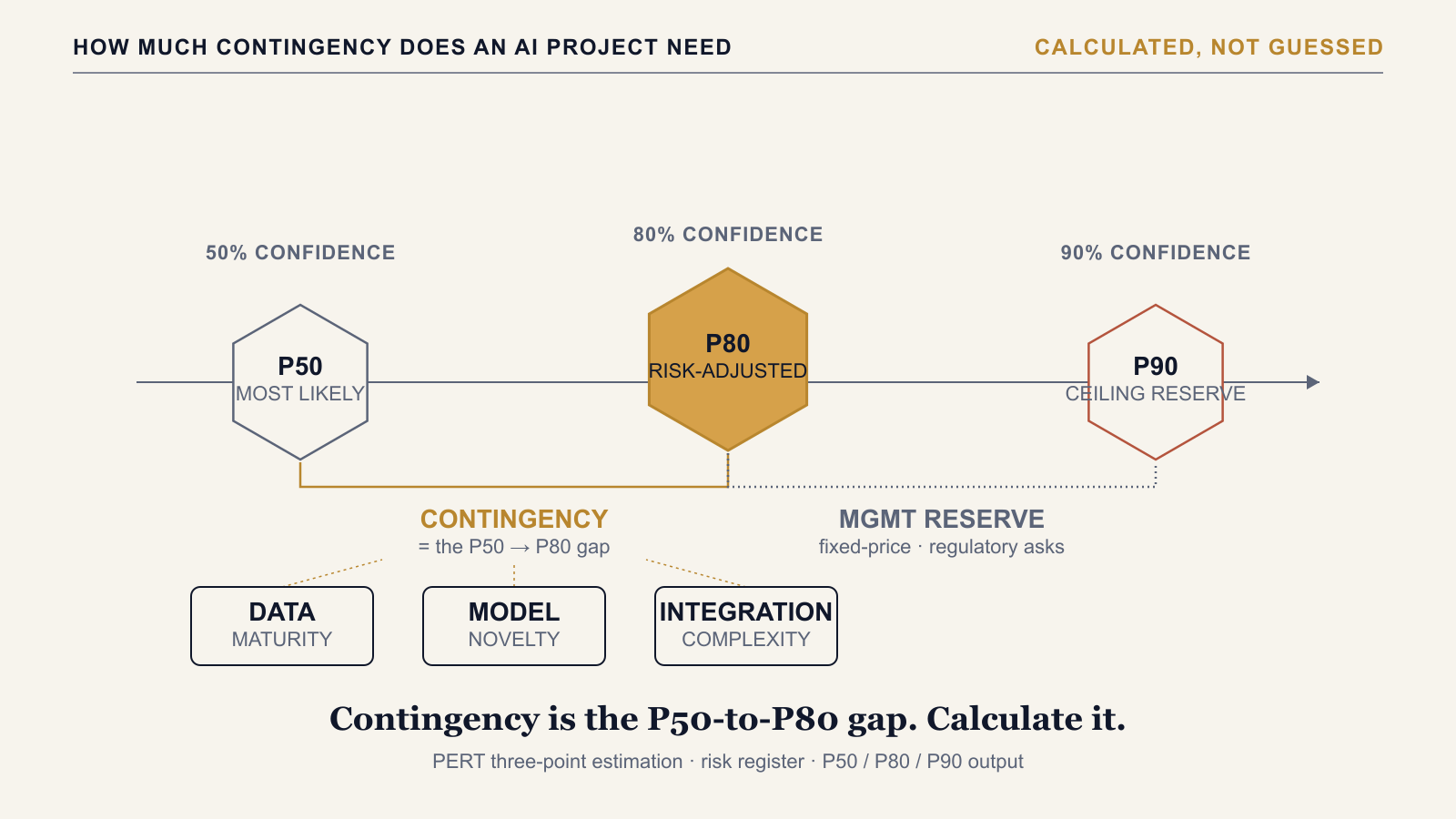
How Much Contingency Should an AI Project Have?
There is no single contingency percentage that fits every AI project, and treating 15% or 20% as a fixed rule is exactly the habit that produces budget overruns.…
Read the post → -
 October 11, 2026
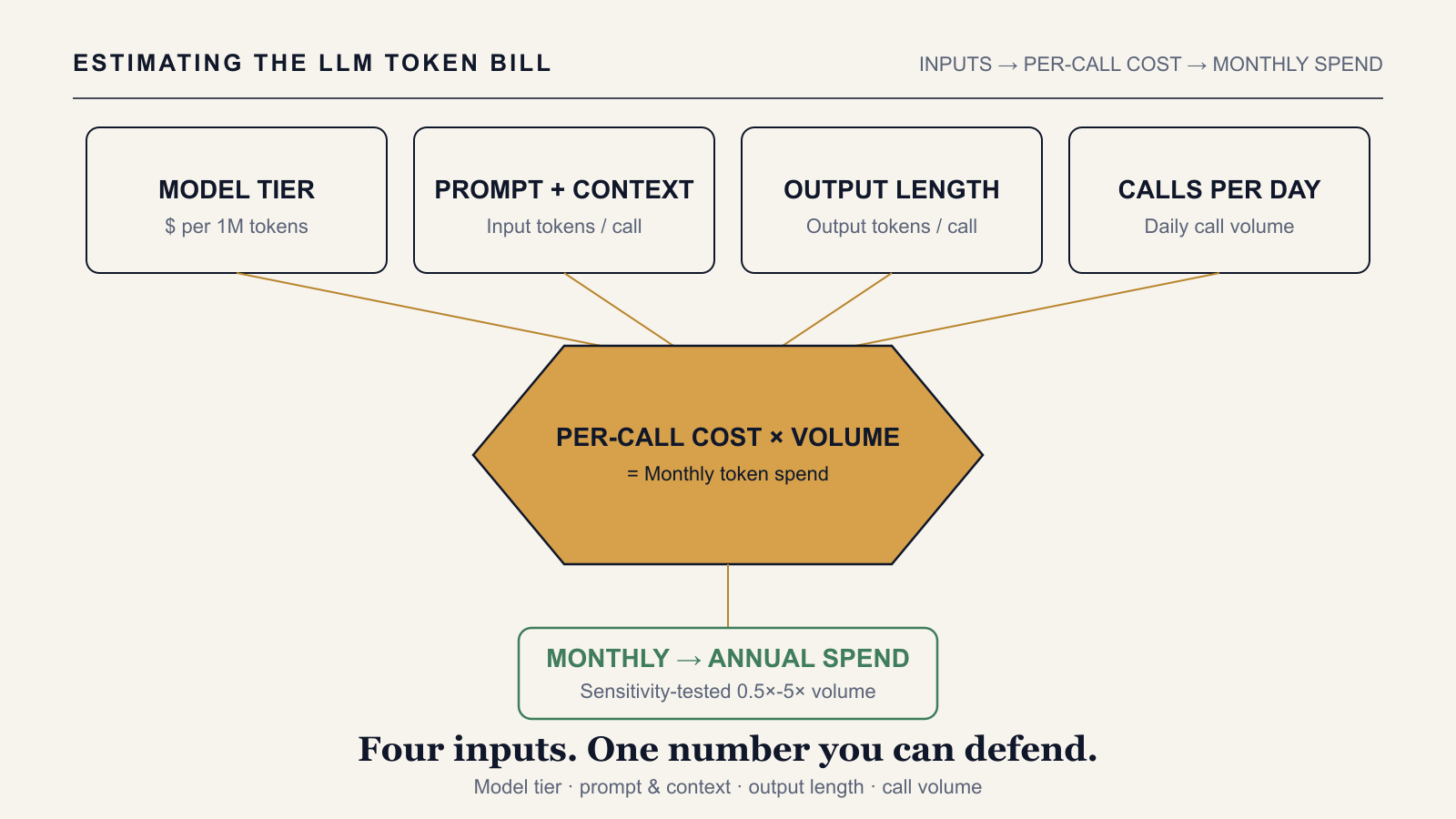
How to Estimate LLM Token Costs for an Enterprise Application
To estimate LLM token costs for an enterprise application, we build a per-call cost model from four inputs — the price per token of the model tier the application…
Read the post → -
 October 9, 2026
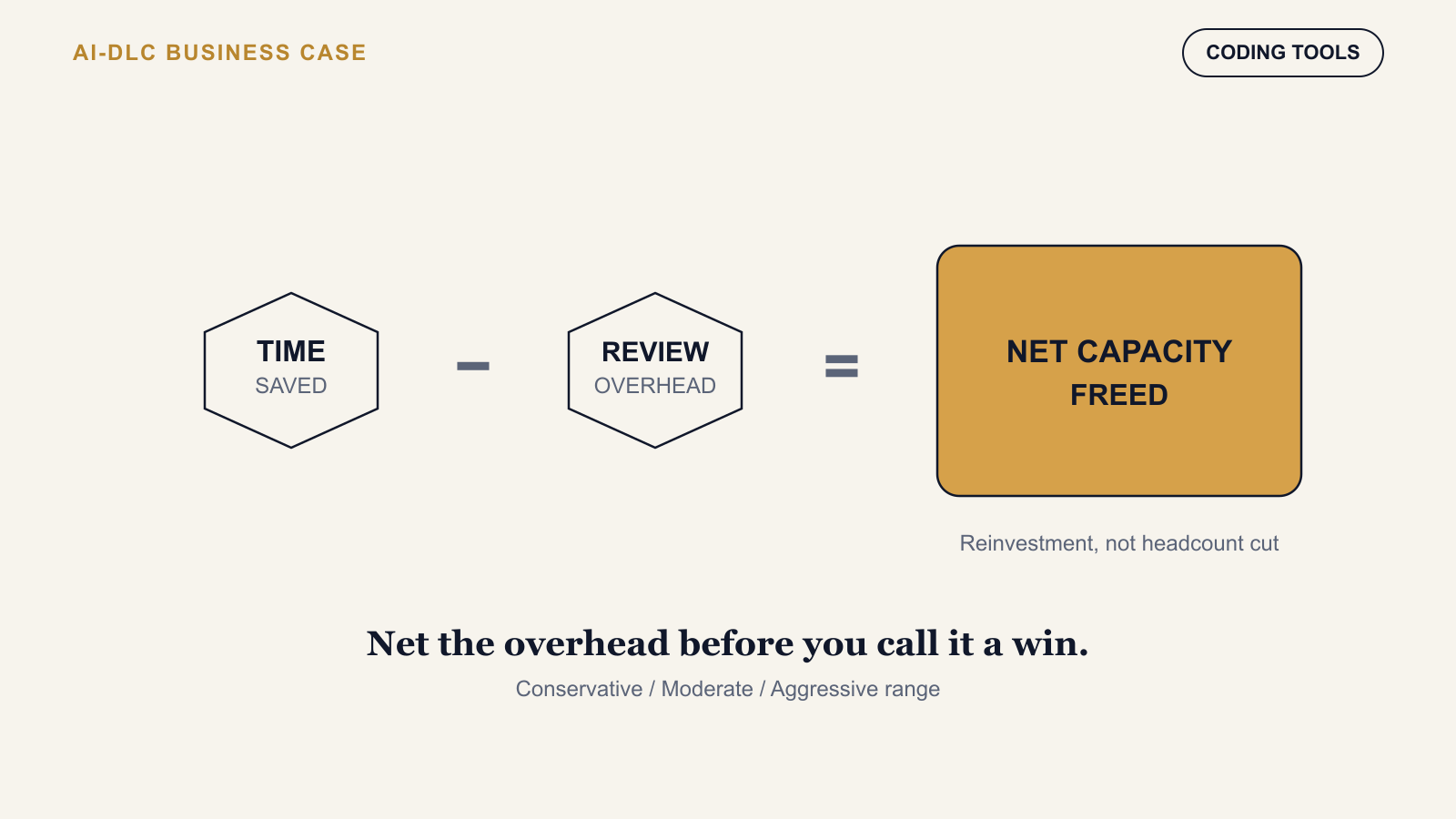
Are AI Coding Tools Worth the Token Bill? Testing the Business Case
To test whether AI coding tools are worth the token bill, compare the fully-loaded cost of the tool — seat fee or token spend — against the value of the engineering…
Read the post → -
 October 9, 2026
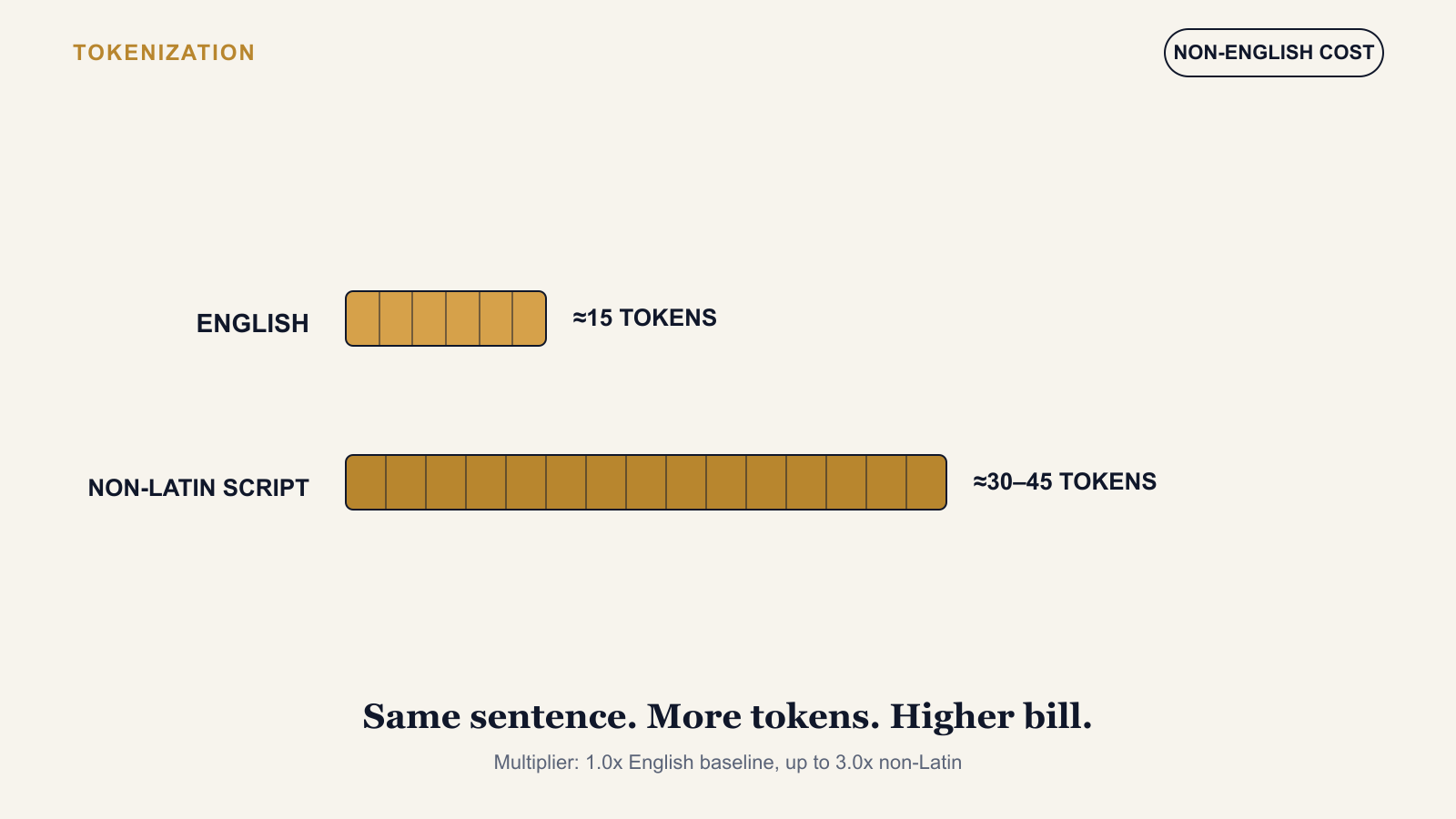
Why Token Costs Run Higher in Non-English Deployments
LLM token costs run higher in non-English deployments because tokenizers are built and tuned primarily on English text, and non-English languages — especially those…
Read the post → -
 October 9, 2026
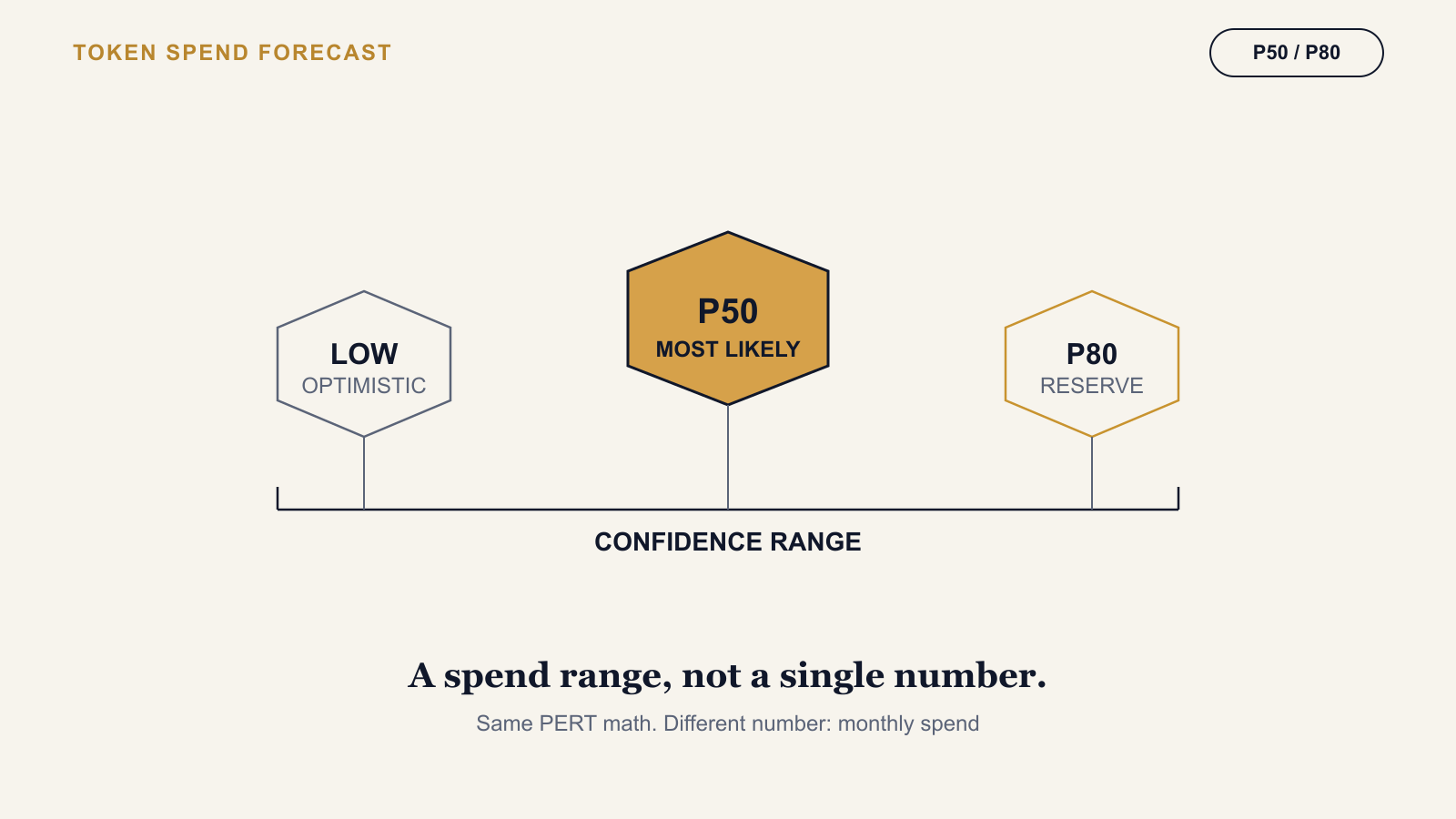
Forecasting Token Spend as a P50 and P80 Range, Not a Single Number
To forecast LLM token spend, build three volume scenarios — optimistic, most-likely, and pessimistic monthly call volume per workflow — convert each to a cost using…
Read the post → -
 October 9, 2026
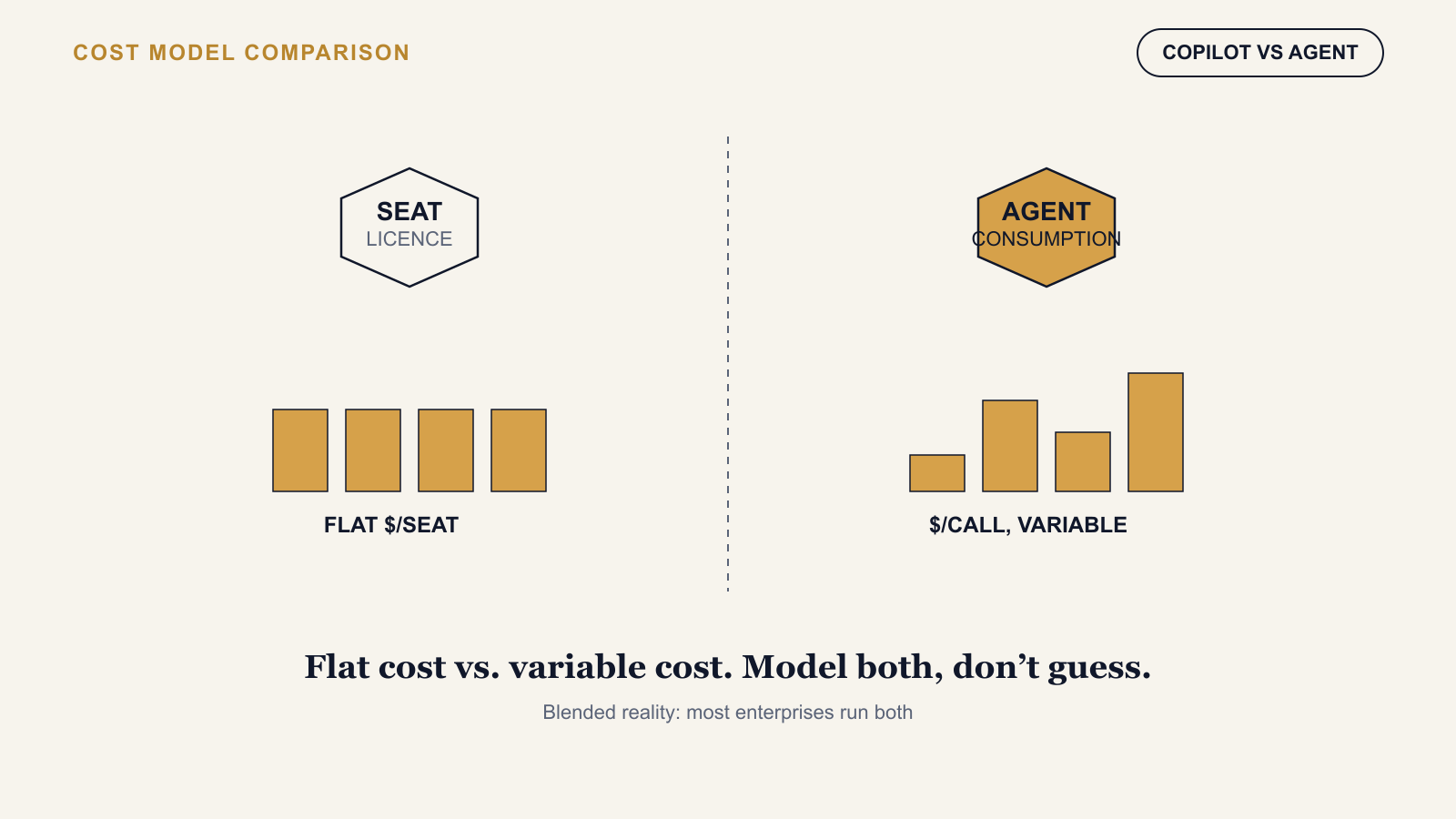
Seat Licences vs Consumption Pricing: Modelling Copilot and Agent Costs
Seat-licence pricing (a fixed per-user monthly fee, like Microsoft Copilot) and consumption pricing (a per-token or per-call charge, like a custom agent built on an LLM…
Read the post → -
 October 9, 2026
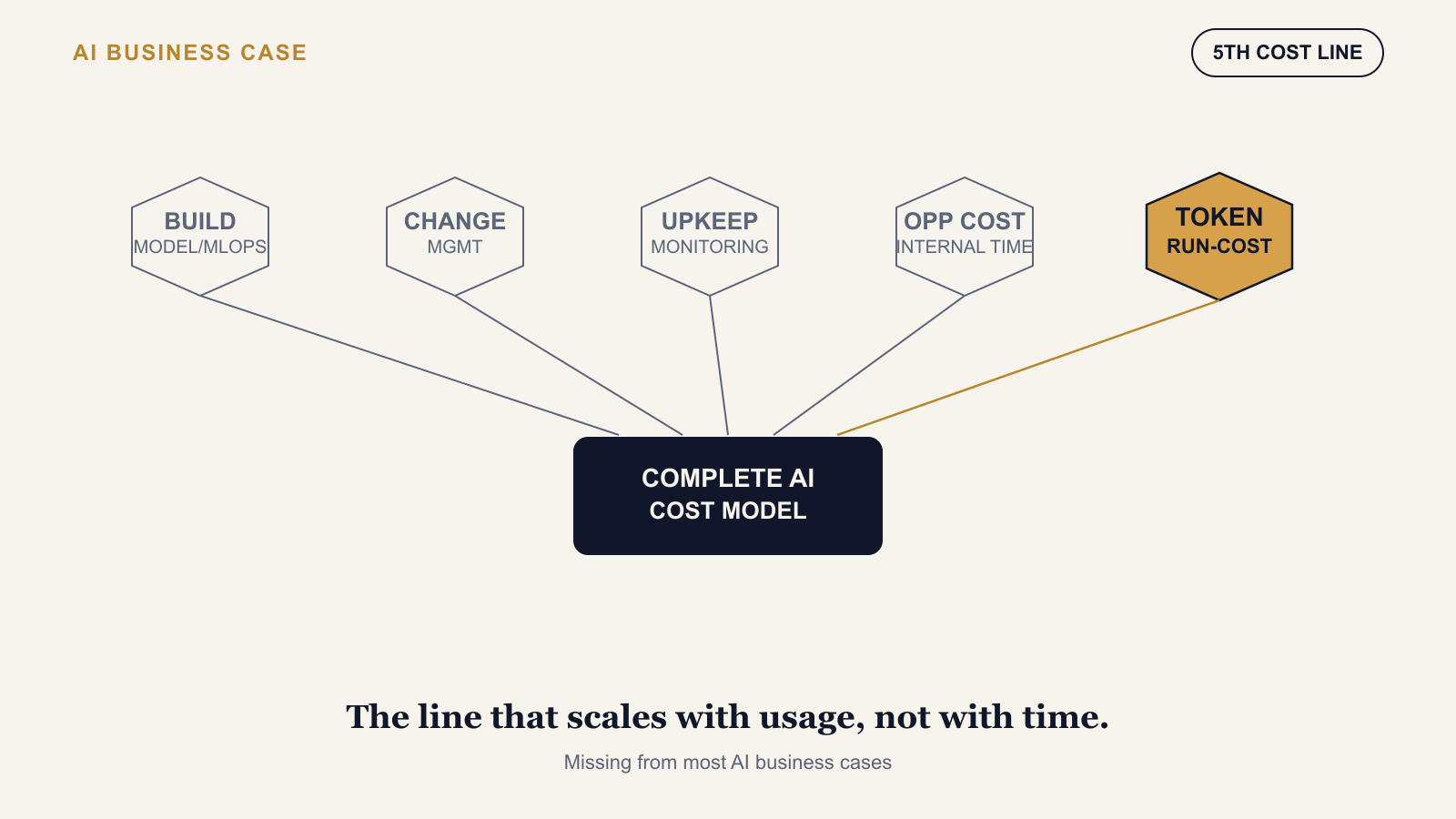
Token Run-Cost: The Line Missing From Most AI Business Cases
The line missing from most AI business cases is token run-cost — the per-call inference spend that scales directly with usage volume, not the one-time development cost…
Read the post → -
 October 9, 2026
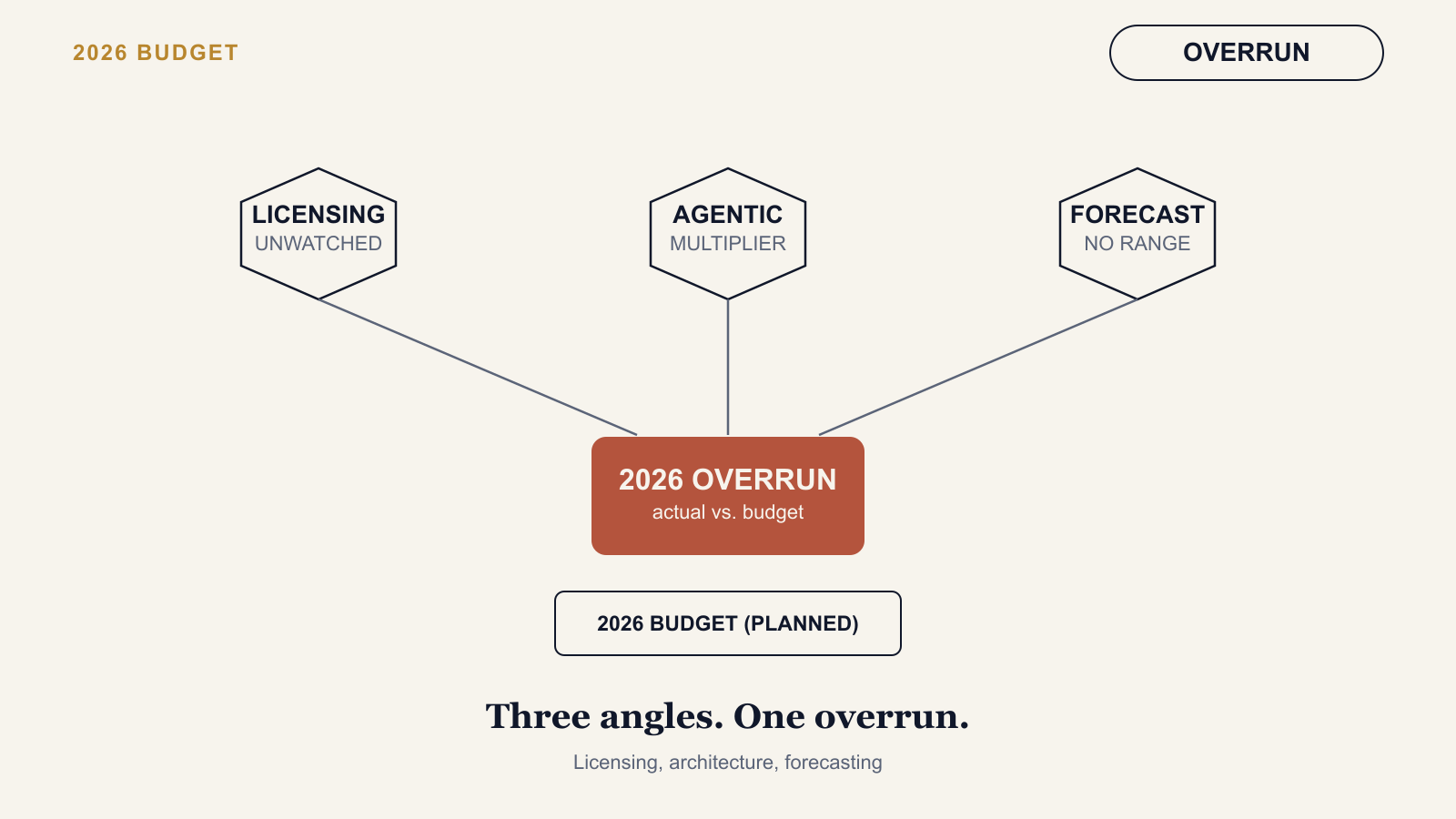
Why Enterprise Token Costs Overran the 2026 Budget
Enterprise AI token costs exceeded budget in 2026 for three compounding reasons: broad, largely unmonitored adoption during the experimentation phase; an architecture…
Read the post → -
 October 9, 2026
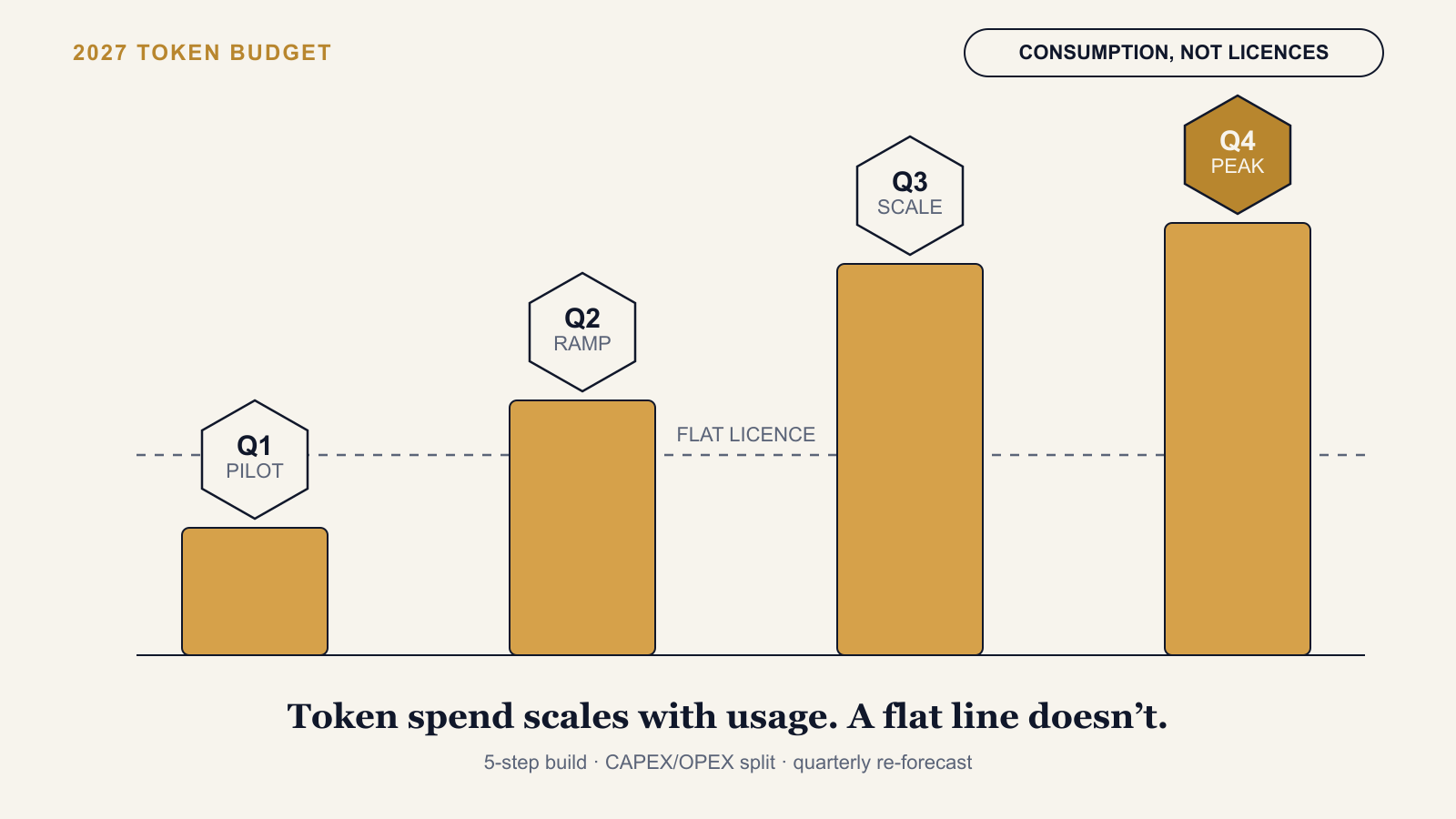
Budgeting AI Token Costs for 2027: Plan on Consumption, Not Licences
To budget AI token costs for 2027, size the number from projected call volume times the per-token price of the model actually in use, use case by use case, then apply a…
Read the post → -
 October 9, 2026
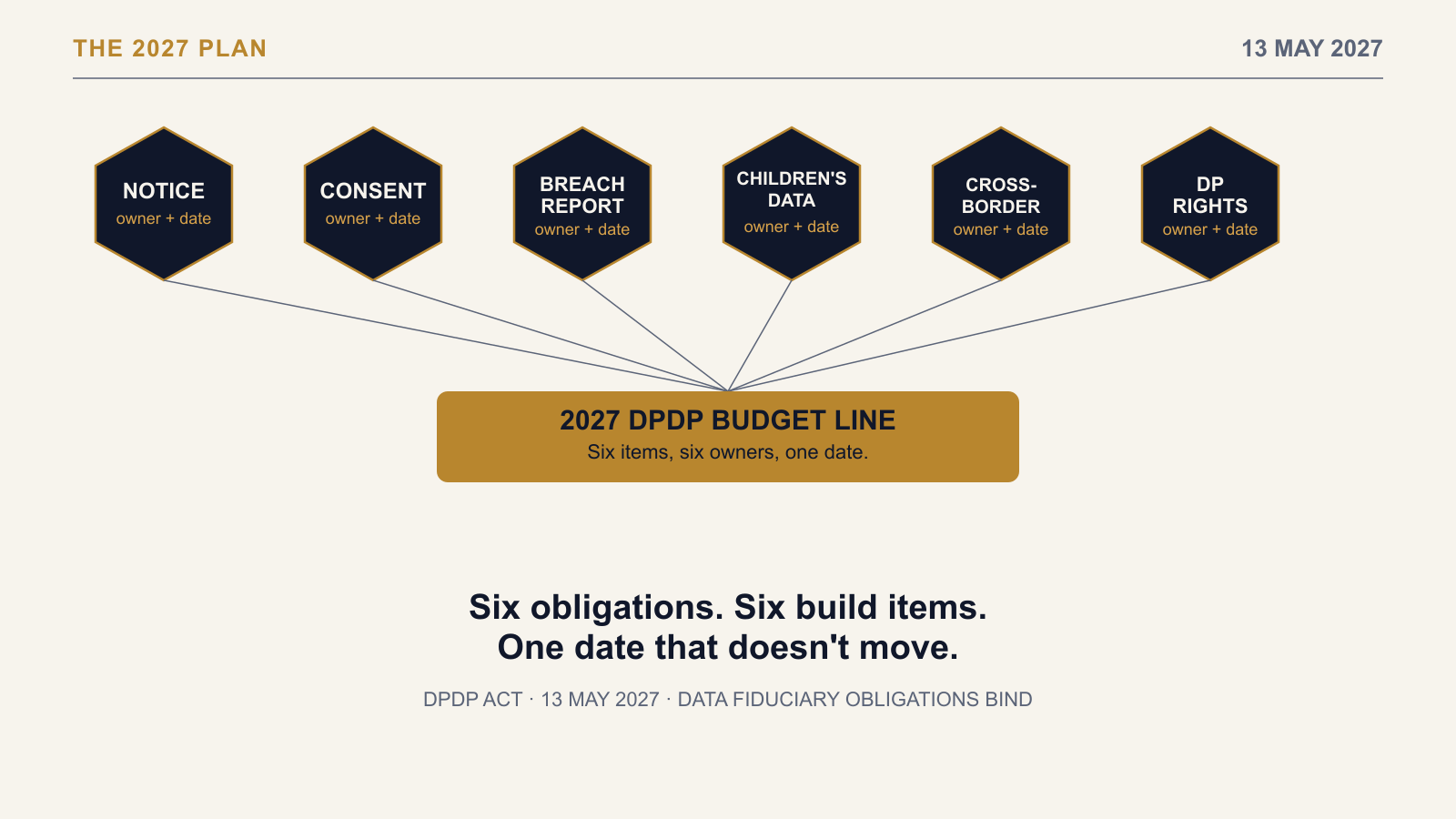
DPDP Act and the 2027 Plan: Budgeting for the May 2027 Obligations
Budgeting for the DPDP Act's May 2027 obligations means funding six specific build items — notice, consent, breach reporting, children's data handling, cross-border transfer controls, and a Data Principal rights-request…
Read the post → -
 October 8, 2026
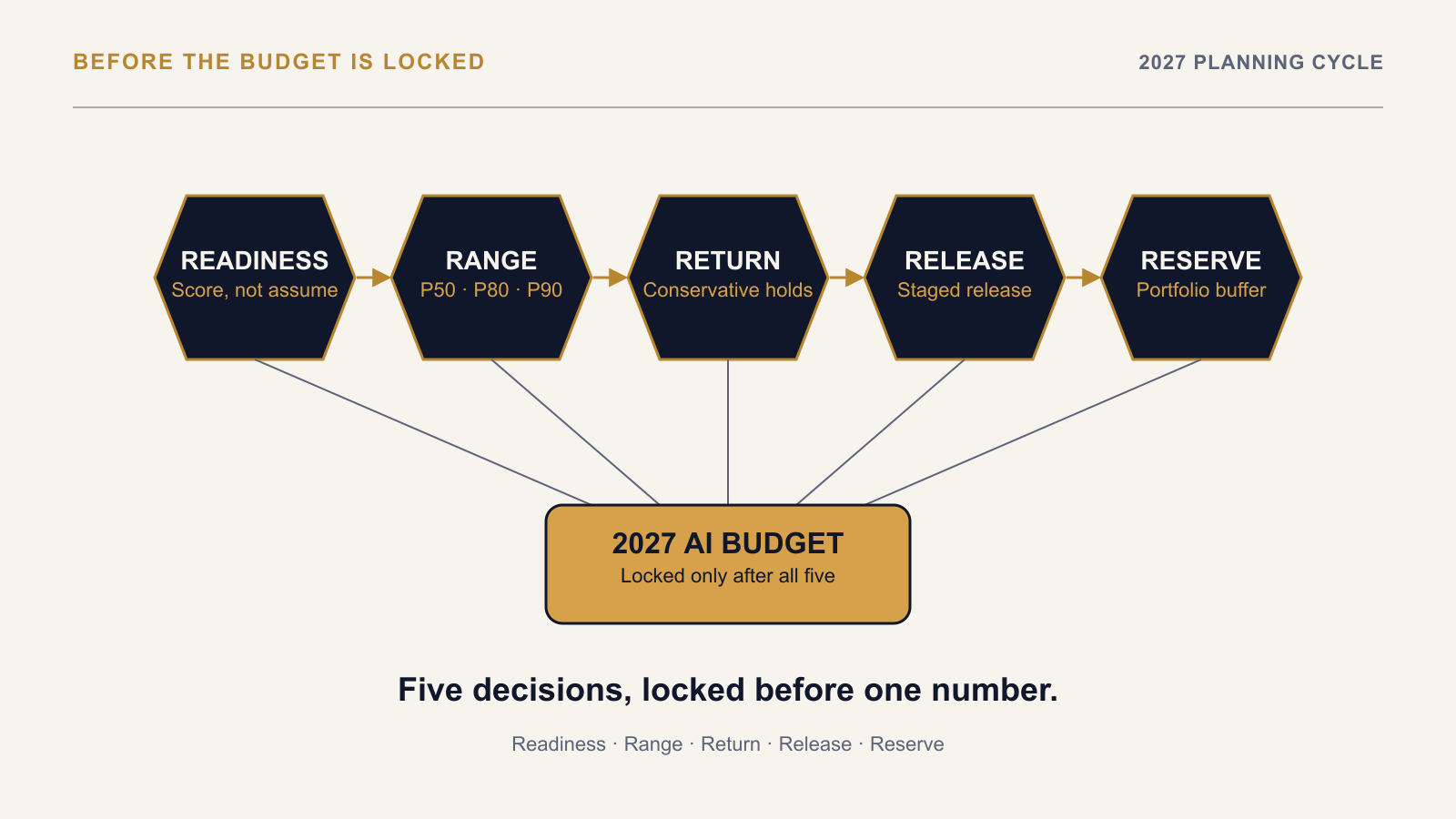
The 2027 AI Budget: What to Decide Before Funds Are Locked
Planning the 2027 AI budget, before any total figure gets locked, means making five decisions in order: which candidate initiatives have actually cleared a readiness bar, what each one costs across a…
Read the post → -
 October 8, 2026
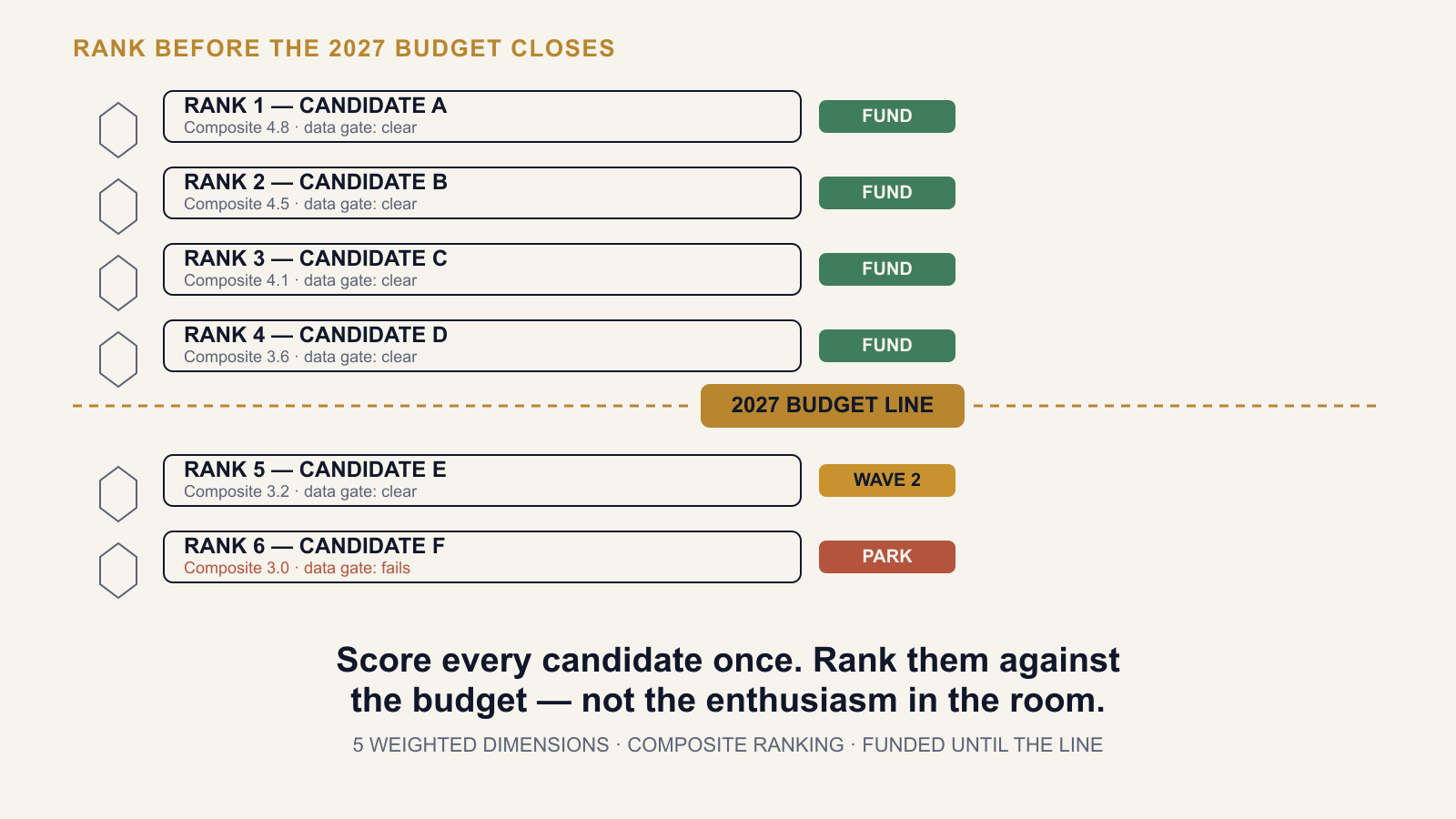
Which AI Use Cases Get 2027 Funding: Ranking Candidates Before the Budget Closes
Fund the candidates that clear the data-readiness hard gate and sit in the top band of your weighted composite score, in rank order, until the Wave 1 capital envelope runs out — not whichever use…
Read the post → -
 October 8, 2026
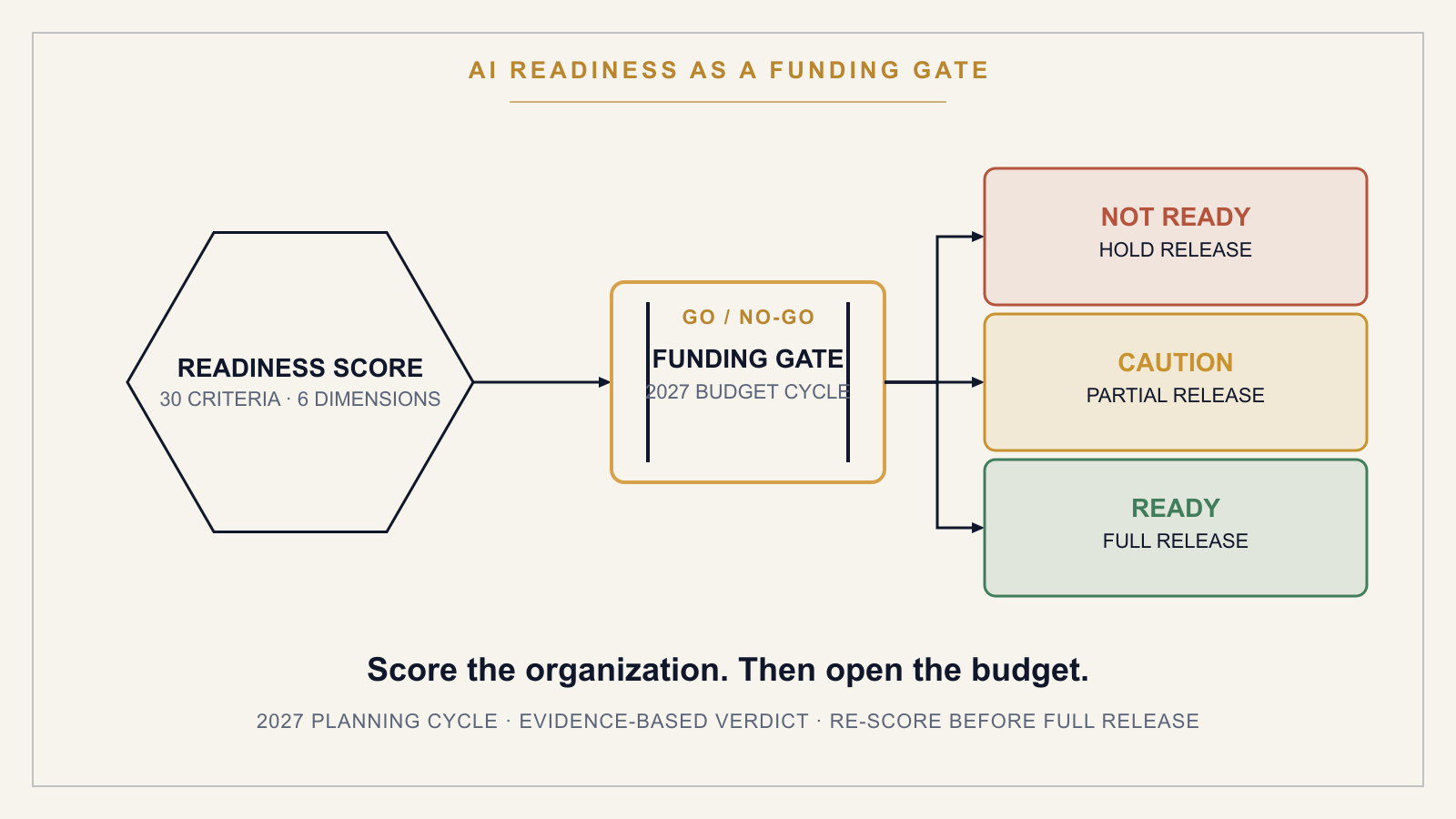
Using AI Readiness as a Funding Gate in the 2027 Budget
Using AI readiness as a funding gate in the 2027 budget means setting a minimum readiness verdict as a precondition for releasing AI investment funds during the annual planning cycle, not after a…
Read the post → -
 October 8, 2026
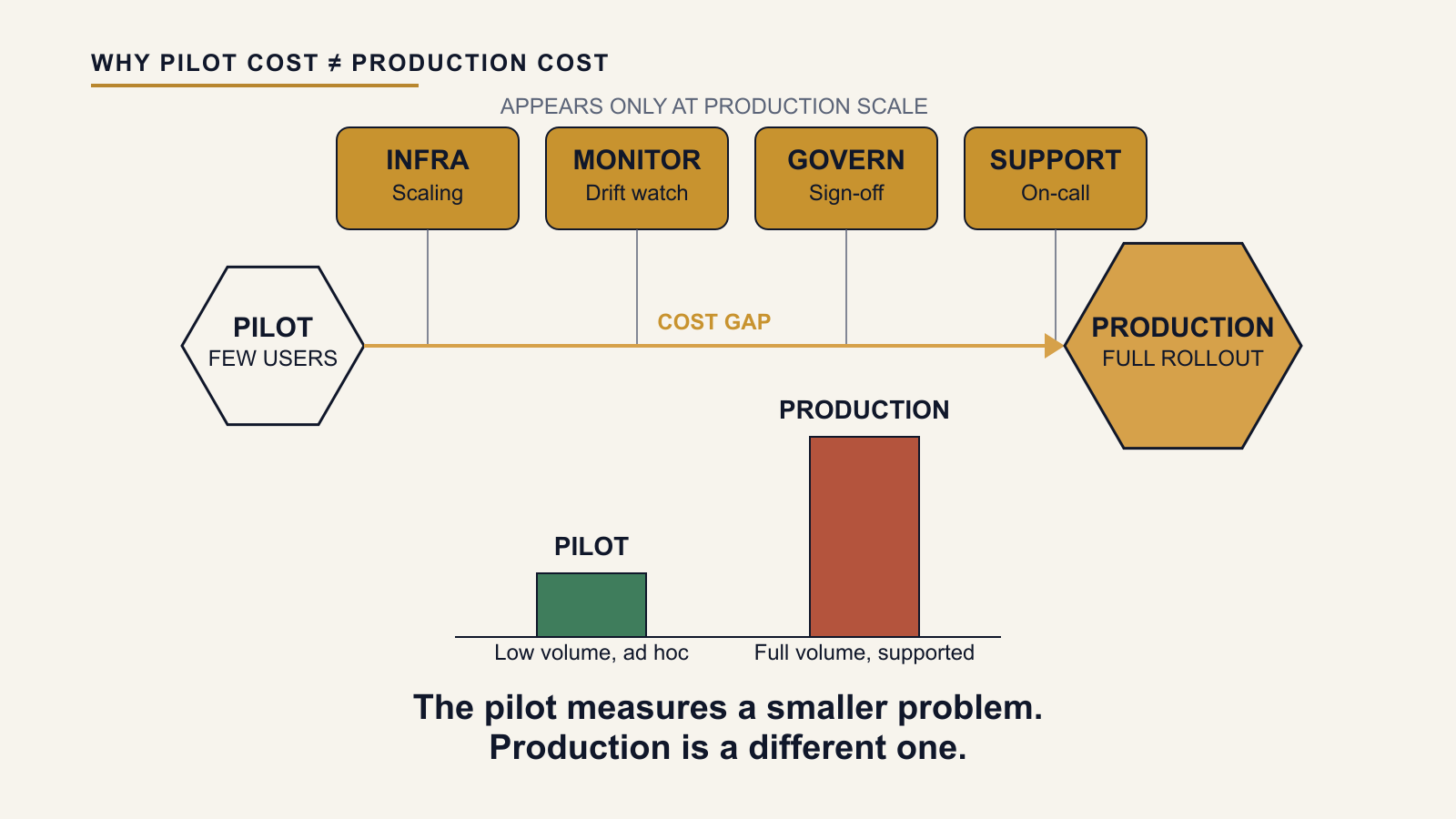
Why AI Pilot Costs Mislead: Estimating the Step From Pilot to Production
AI pilot costs do not scale to production because the pilot and the production system are, in cost terms, two different objects wearing the same name. A pilot typically runs at a sliver of…
Read the post → -
 October 8, 2026
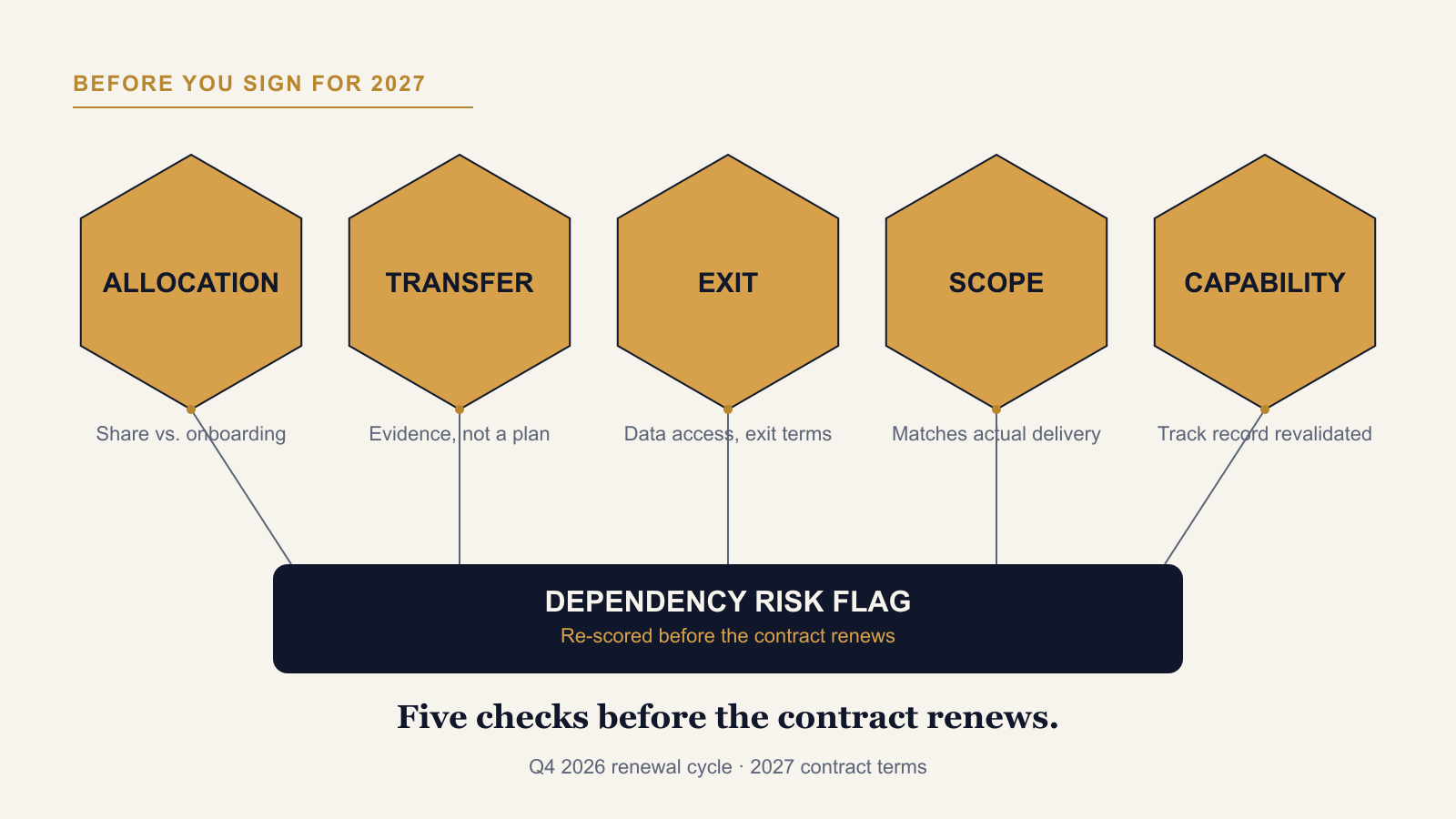
What to Check Before Renewing an AI Vendor Contract for 2027
Before renewing an AI vendor contract for another year, check five things beyond the number on the renewal quote: how much of the programme the vendor now delivers against how much it delivered…
Read the post → -
 October 8, 2026
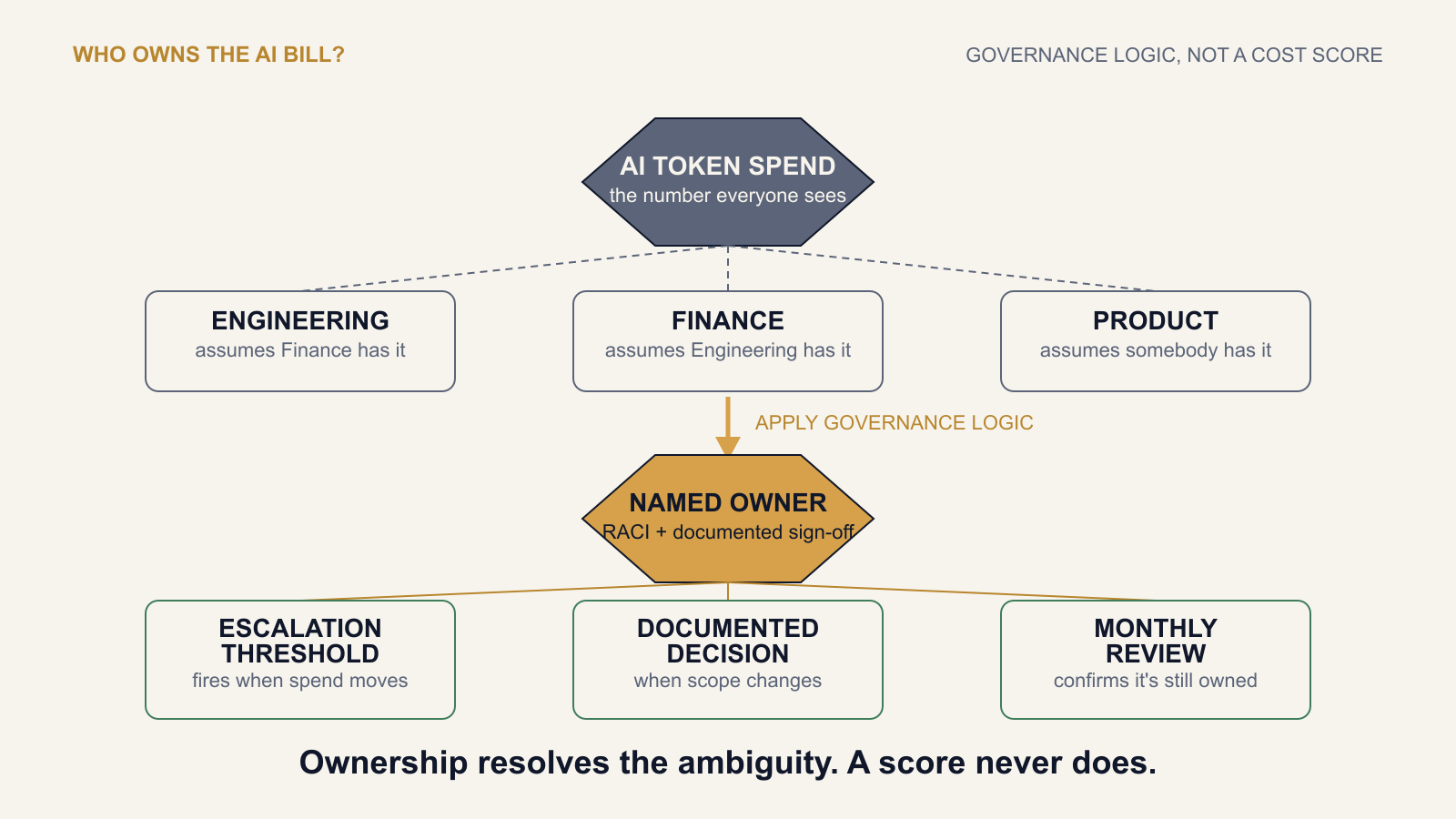
Who Owns the AI Bill? Applying Governance Logic to Token Cost
Accountability for AI spend sits with whoever is named as the owner of the decision to deploy and keep running the system generating it — not with whichever team's budget line happens to absorb…
Read the post → -
 October 8, 2026
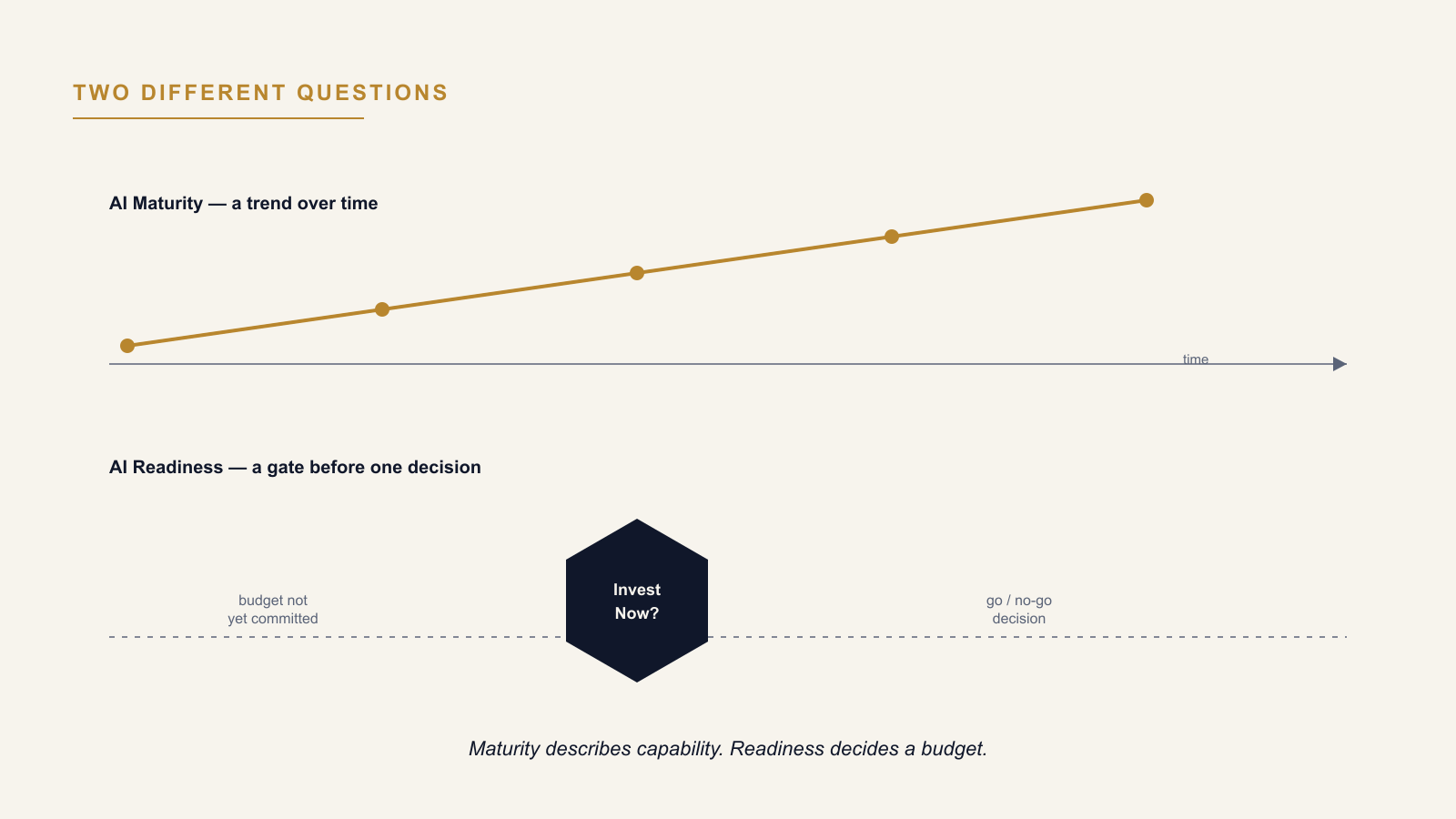
AI Readiness vs AI Maturity: Which One Decides an Investment
AI maturity describes how advanced an organization's general AI capability is, tracked as a trend over time. AI readiness is a scored, evidence-based verdict on whether this organization, right now, is…
Read the post → -
 October 8, 2026
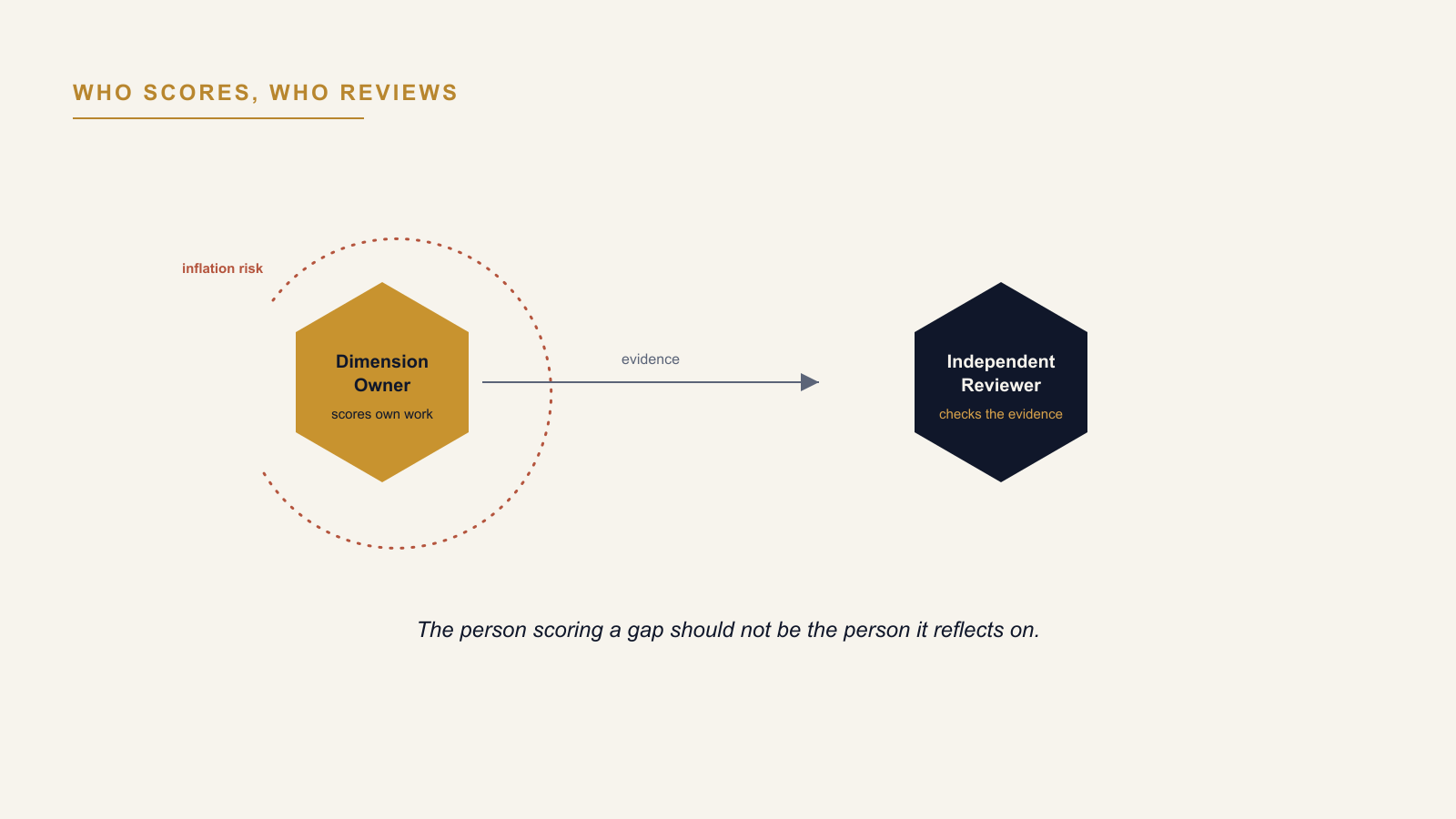
Who Should Score the AI Readiness Assessment and Why Self-Scoring Fails
Who should be involved in an AI readiness assessment is six groups, each scoring the dimension their function has evidence for — and the person scoring a dimension should never be the person it…
Read the post → -
 October 8, 2026
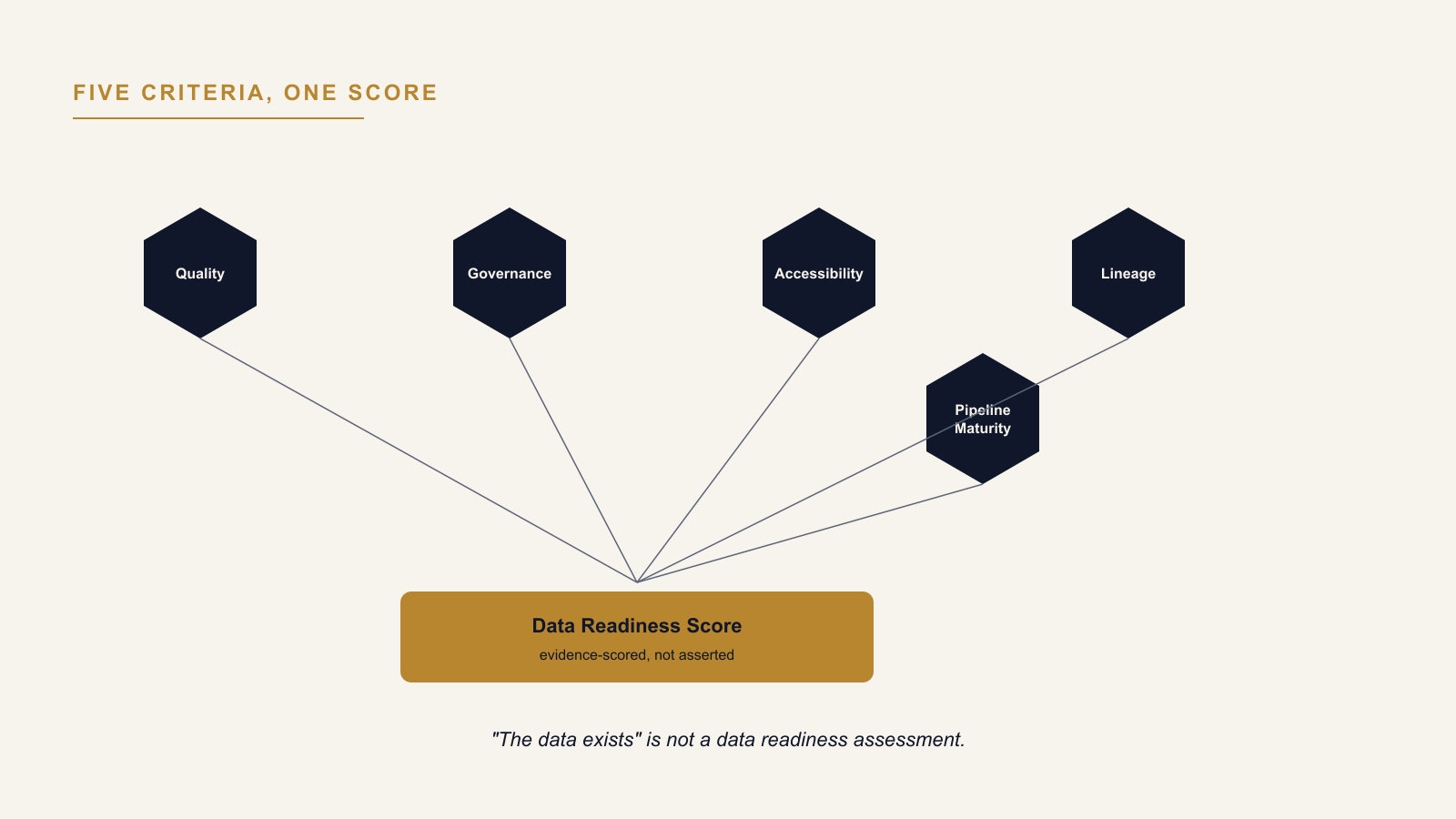
How to Assess Data Readiness Before an AI Programme
Assessing data readiness before an AI programme means scoring your data estate against five evidence-based criteria — quality, governance, accessibility, lineage, and pipeline maturity — before a single use…
Read the post → -
 October 8, 2026
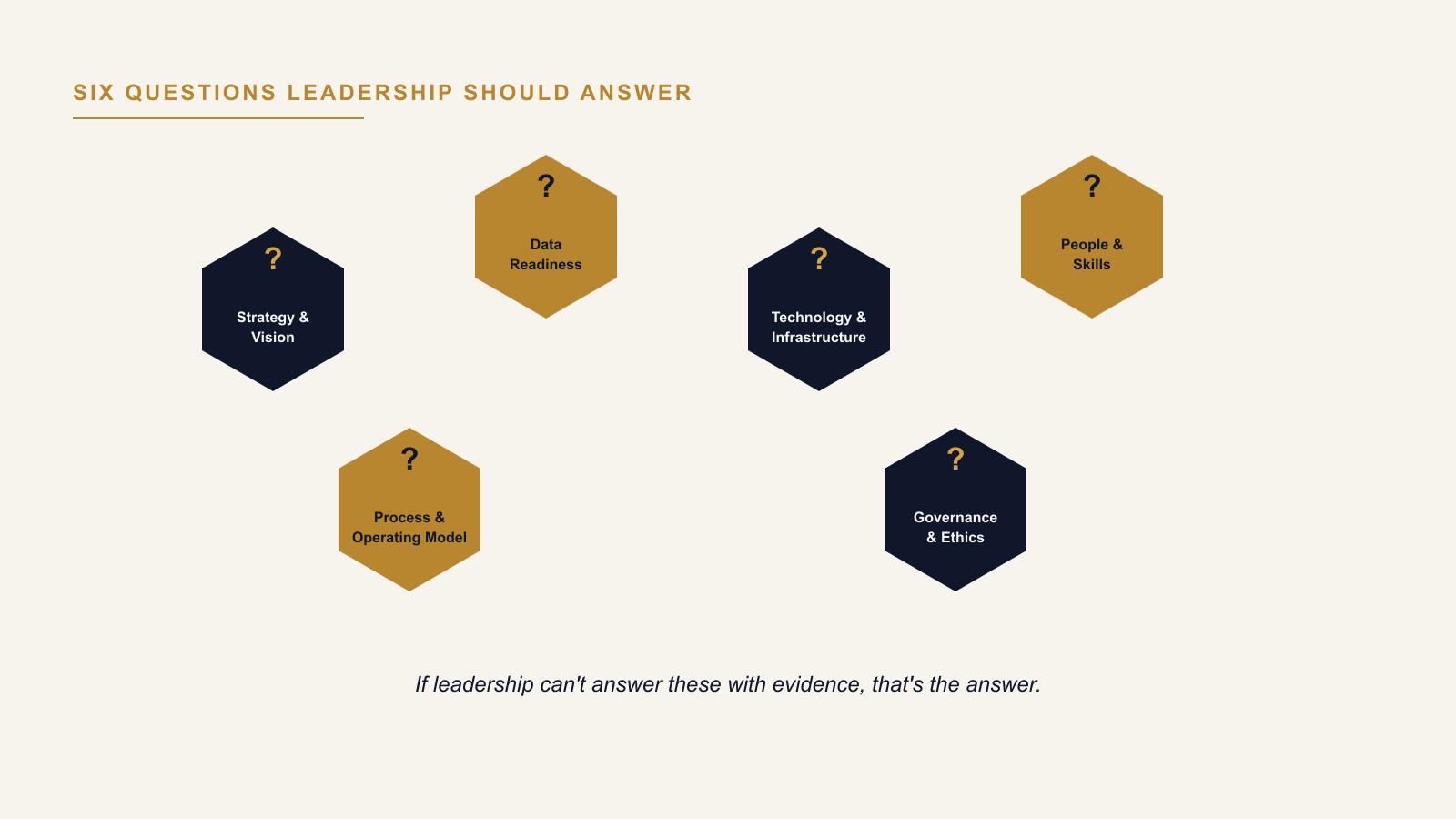
AI Readiness Assessment Questions Leadership Should Be Able to Answer
The AI readiness assessment questions leadership should be able to answer — without pulling up a spreadsheet — are six, one per dimension, each demanding a specific piece of evidence rather than an…
Read the post → -
 October 8, 2026
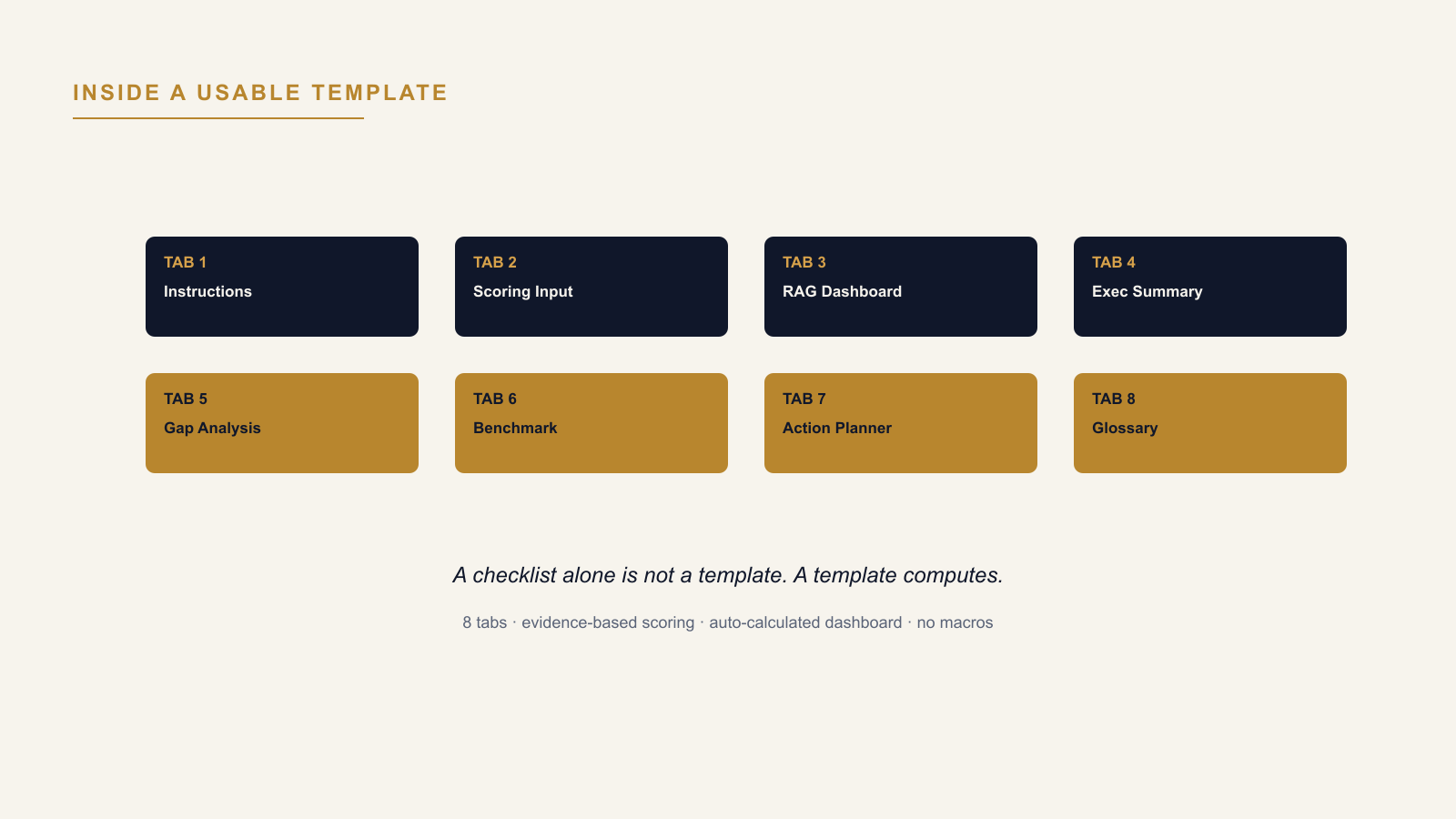
AI Readiness Assessment Template: What a Usable One Contains
A usable AI readiness assessment template — the kind worth the name "template" rather than just a list of questions in a spreadsheet — contains evidence-based scoring input, a weighting mechanism, an auto-calculated RAG dashboard, a ranked gap register, and an…
Read the post → -
 October 8, 2026
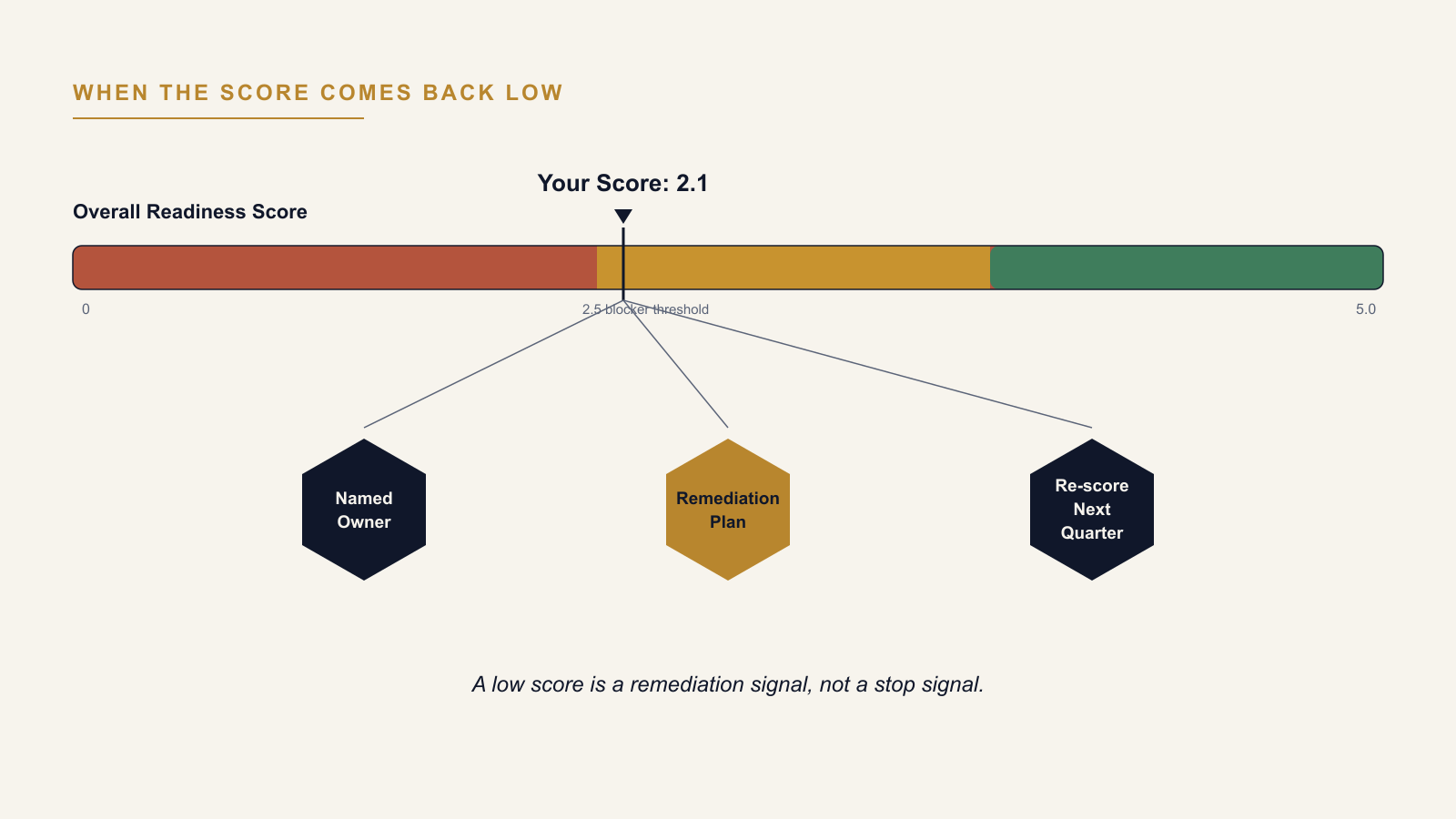
What to Do When Your AI Readiness Score Comes Back Low
A low AI readiness score means one or more of the six dimensions came back below the threshold where remediation needs to start before execution proceeds — not a verdict against investing in AI, a specific, named gap that needs an owner, a plan, and a…
Read the post → -
 October 7, 2026
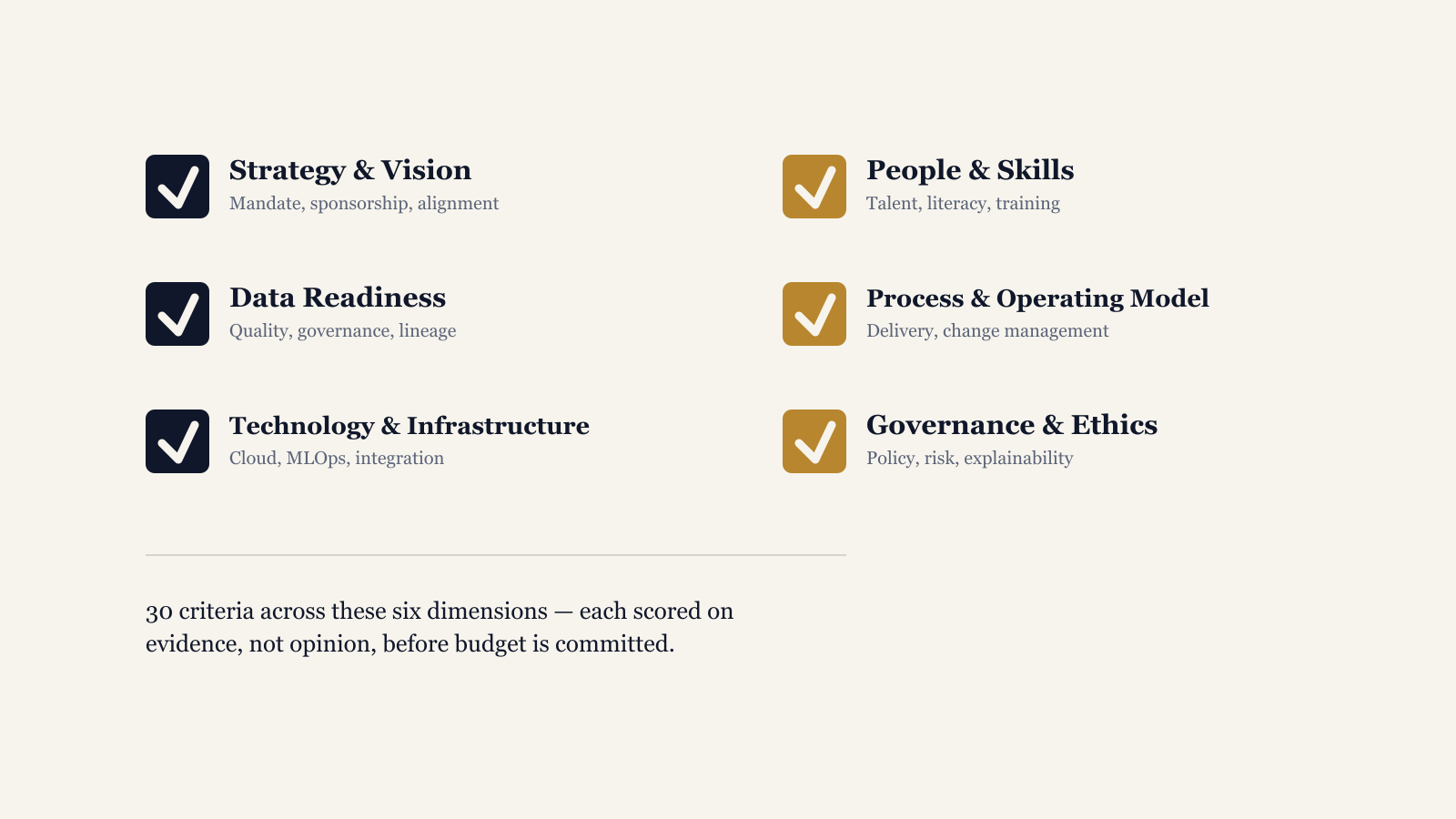
AI Readiness Checklist: The Criteria to Score Before You Commit Budget
An AI readiness checklist is the set of evidence-based criteria an organization scores before committing budget to an AI transformation programme — not a list of intentions, a list of what can currently be proven. Below is the checklist across the six dimensions a credible AI readiness…
Read the post → -
 October 7, 2026
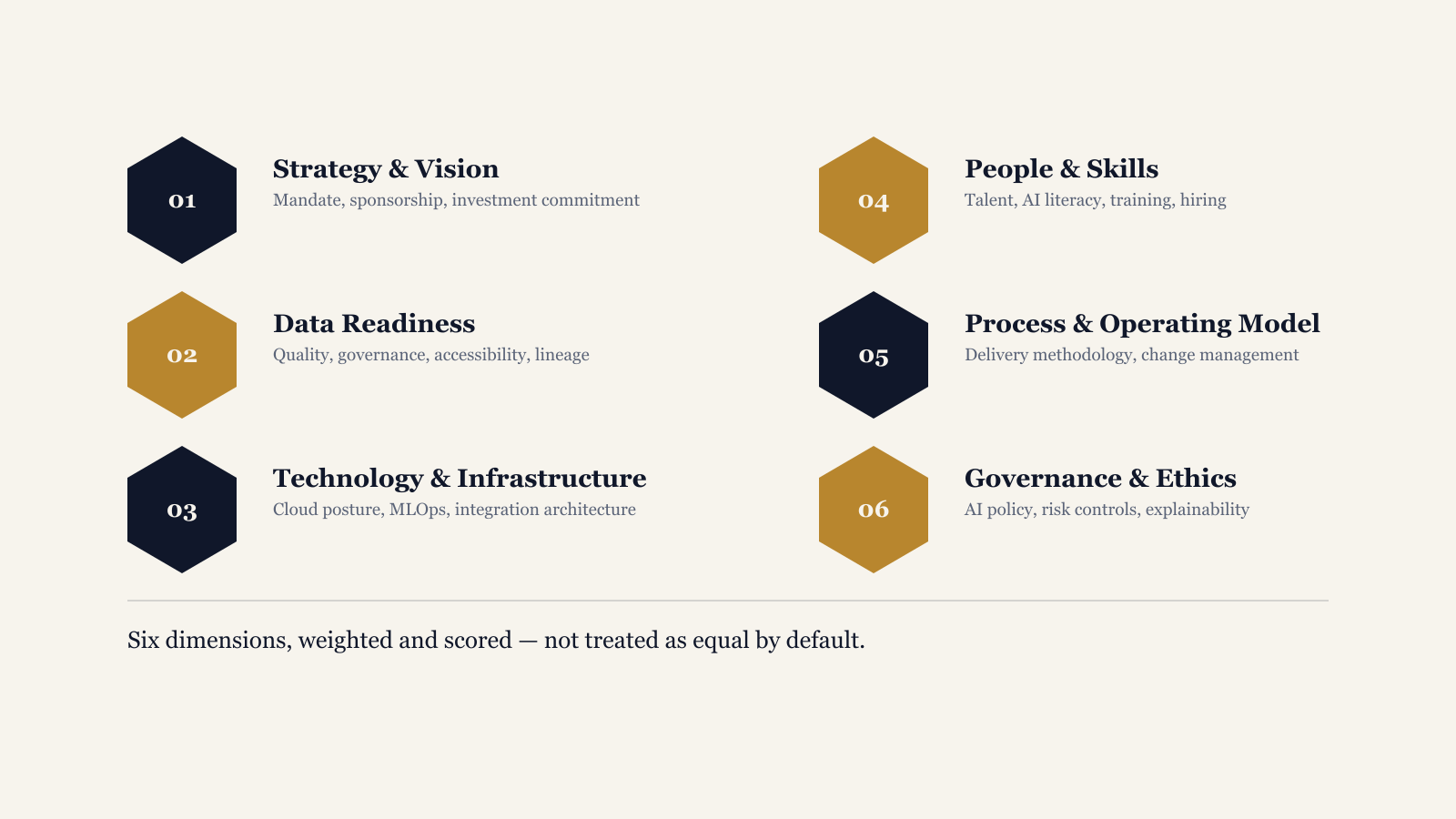
The Six Dimensions of AI Readiness: Strategy, Data, Technology, People, Process, and Governance
AI readiness is assessed across six dimensions: Strategy & Vision, Data Readiness, Technology & Infrastructure, People & Skills, Process & Operating Model, and Governance & Ethics. Each one captures a distinct way an AI programme can fail that the others…
Read the post → -
 October 7, 2026
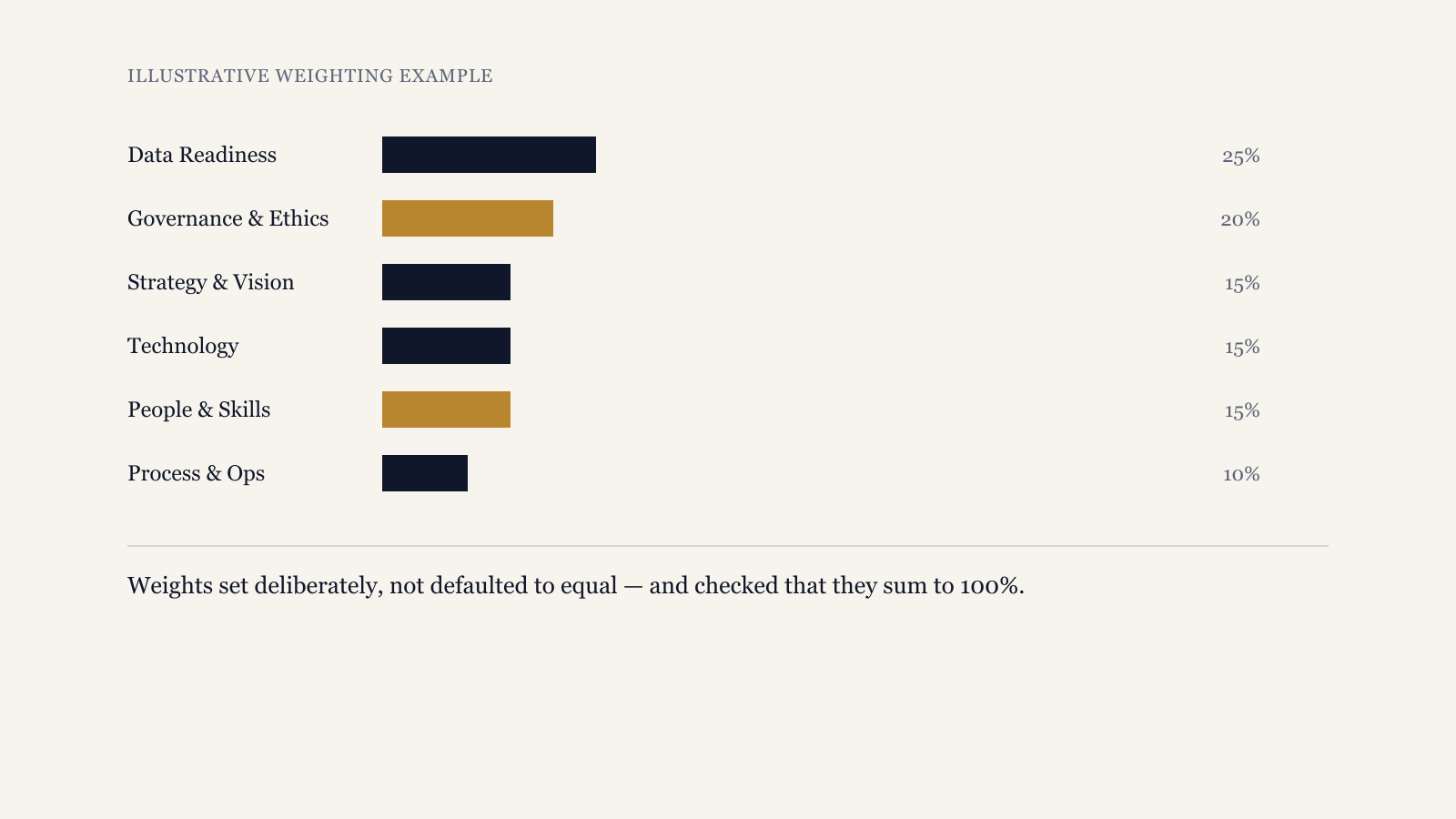
How to Score AI Readiness With Weighted Criteria
Scoring AI readiness with weighted criteria means: score each criterion on a 1-5 evidence-based scale, average those scores into a per-dimension score, multiply each dimension's score by a deliberately chosen weight, and sum the results into one overall…
Read the post → -
 October 7, 2026
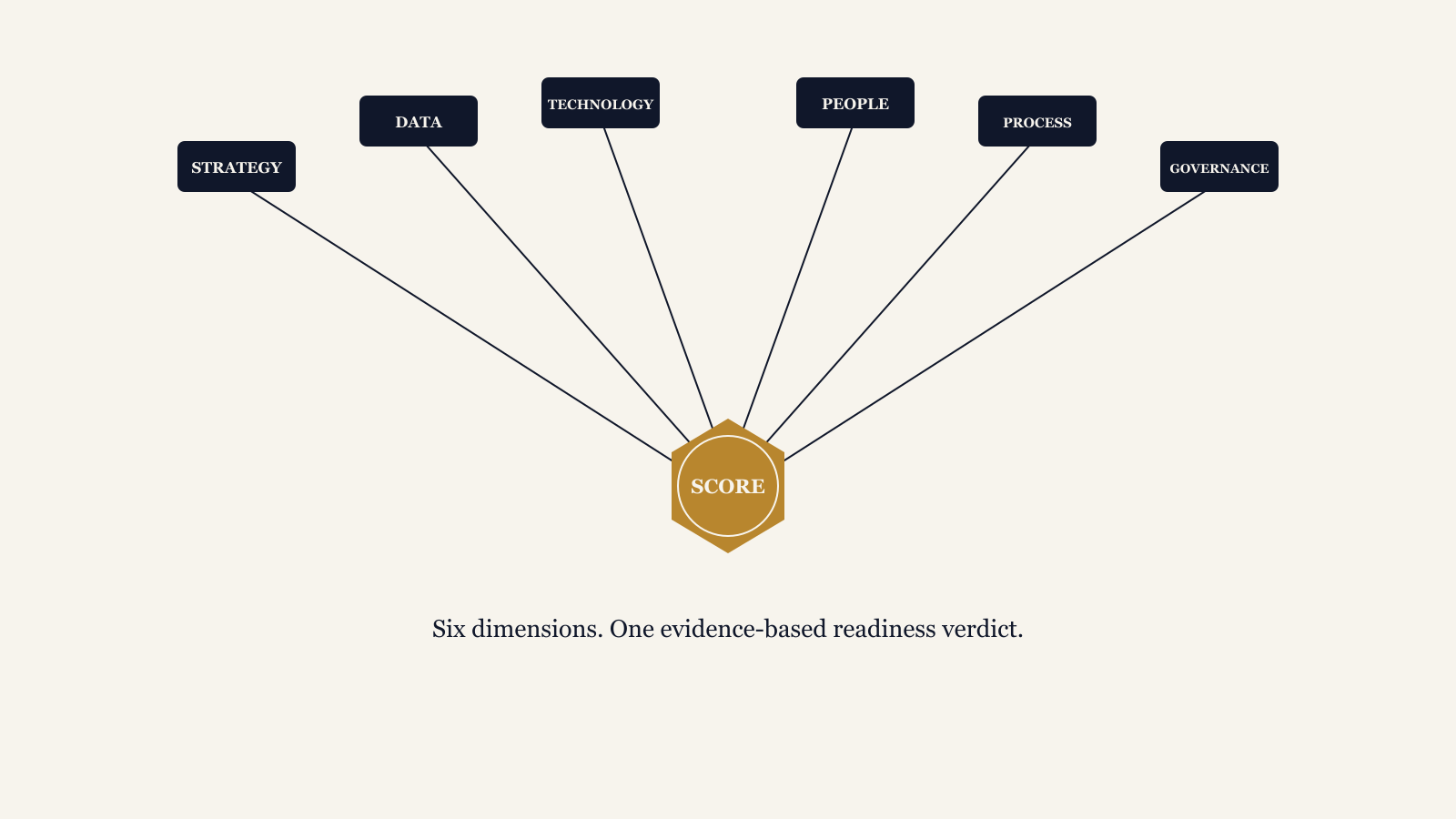
What Is an AI Readiness Assessment and What Does It Measure
An AI readiness assessment is a structured evaluation of whether an organization is positioned to invest in an AI transformation initiative before committing budget, scored across dimensions such as strategy, data, technology, people, process, and…
Read the post → -
 October 7, 2026
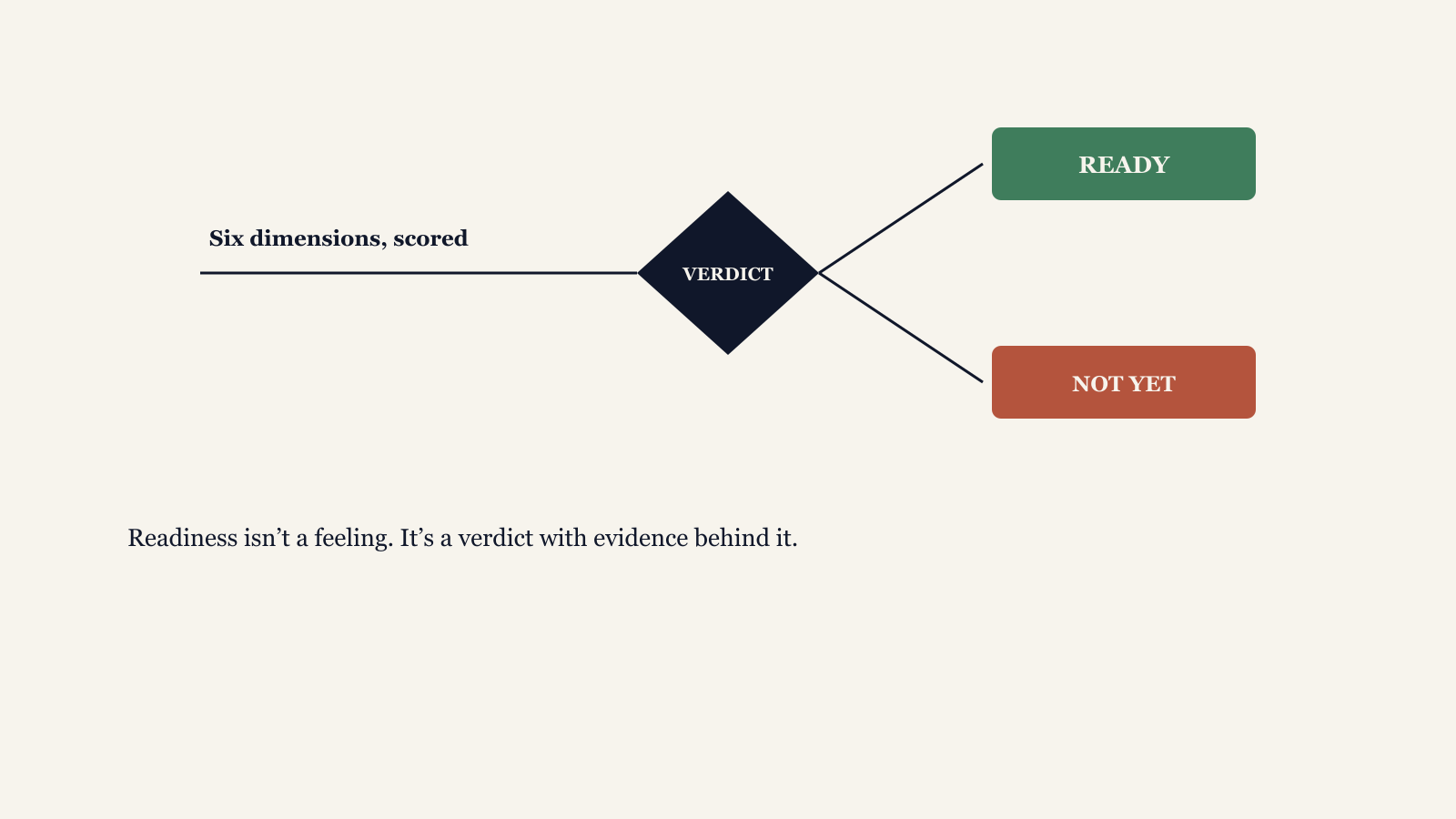
How to Tell Whether Your Organization Is Ready to Invest in AI
An organization is ready to invest in AI transformation when it can produce evidence — not confidence — across six dimensions: strategy, data, technology, people, process, and governance. Short of running the full scored assessment, a handful of…
Read the post → -
 October 7, 2026
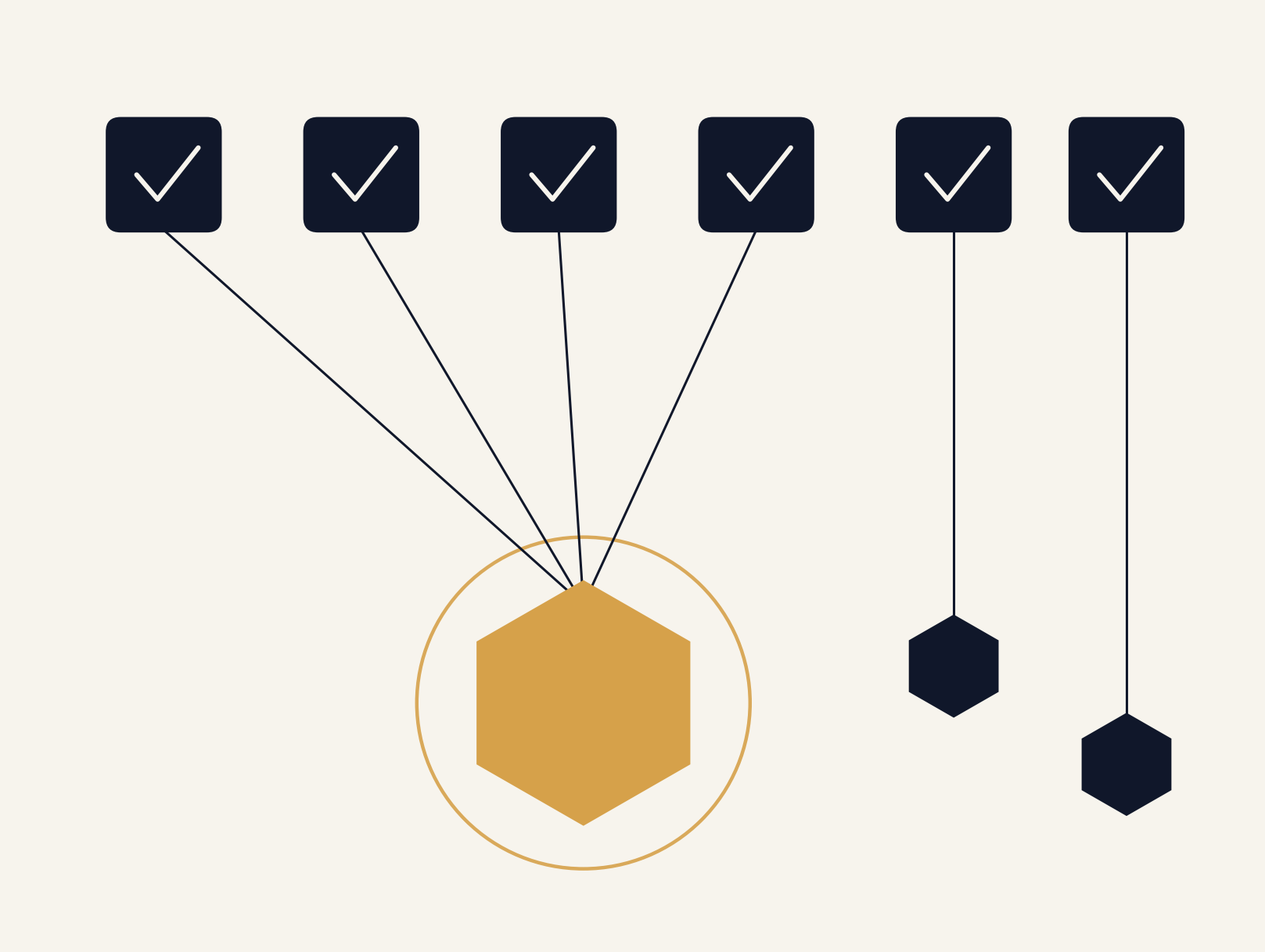
Your AI Governance Program Has a Blind Spot, and It Isn't in Any of the Systems You're Governing
Most AI governance programs are built to answer one question well: is this system allowed to go live, and does it stay compliant once it does. That question gets asked of every model, every agent, every use case on the register — and answered thoroughly. It is not the same question as "what does…
Read the post → -
 October 7, 2026
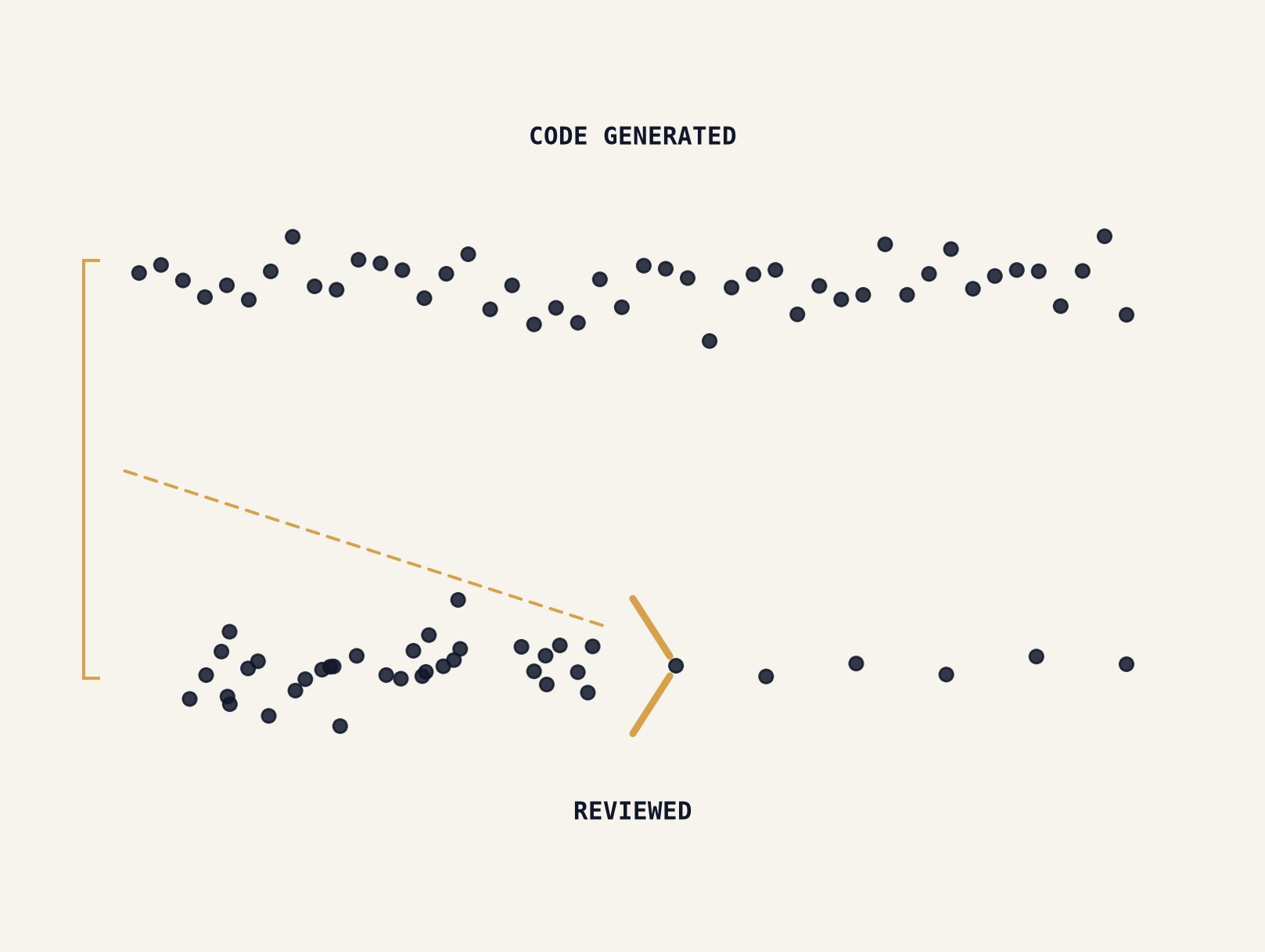
When Most of Your Code Comes From an Agent, the Review Bottleneck Doesn't Disappear. It Moves.
Most of the conversation about AI coding agents is about speed: how much faster a team can move once an agent is writing a meaningful share of the code. Speed is real, and it's not the hard problem. The hard problem is that the thing which used to catch a bad change before it shipped — a human…
Read the post → -
 October 6, 2026
Picking the First AI-Driven Delivery Pilot — Why the Project You Choose Decides Whether the Model Spreads
The advice most organizations get on their first AI-driven delivery pilot is advice about AI use cases. That is not the question an organization faces when it decides to run its delivery process itself on an AI-driven model for the first time…
Read the post → -
 September 29, 2026
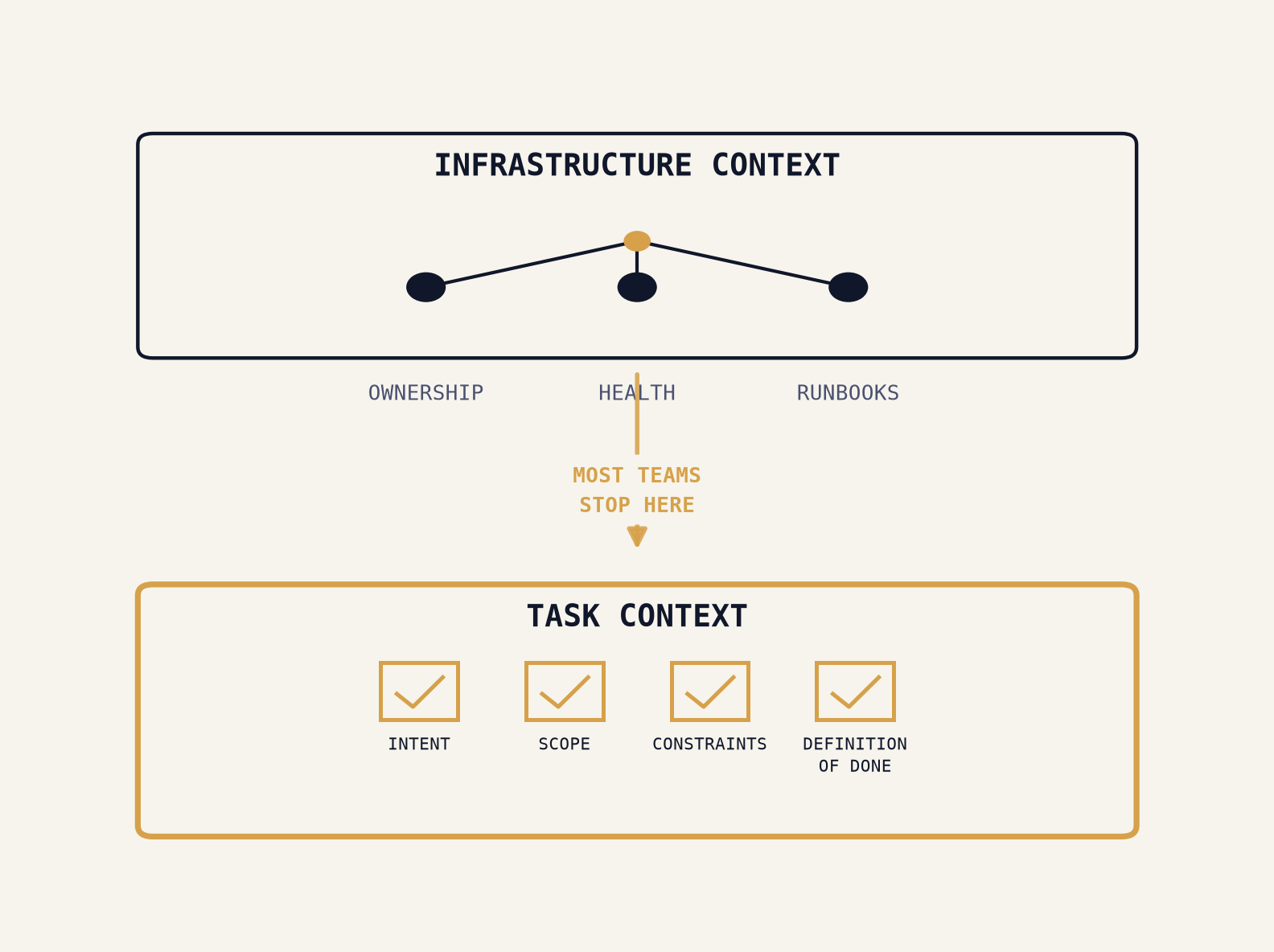
Context Engineering Gave Your Agents a Service Catalog. It Didn't Give Them a Definition of Done.
The current wave of context engineering work — service catalogs, ownership records, runbooks, incident feeds — solves a real problem: an agent that doesn't know which service it's touching, who owns it, or whether it's healthy will make bad calls. But we keep seeing…
Read the post → -
 September 23, 2026
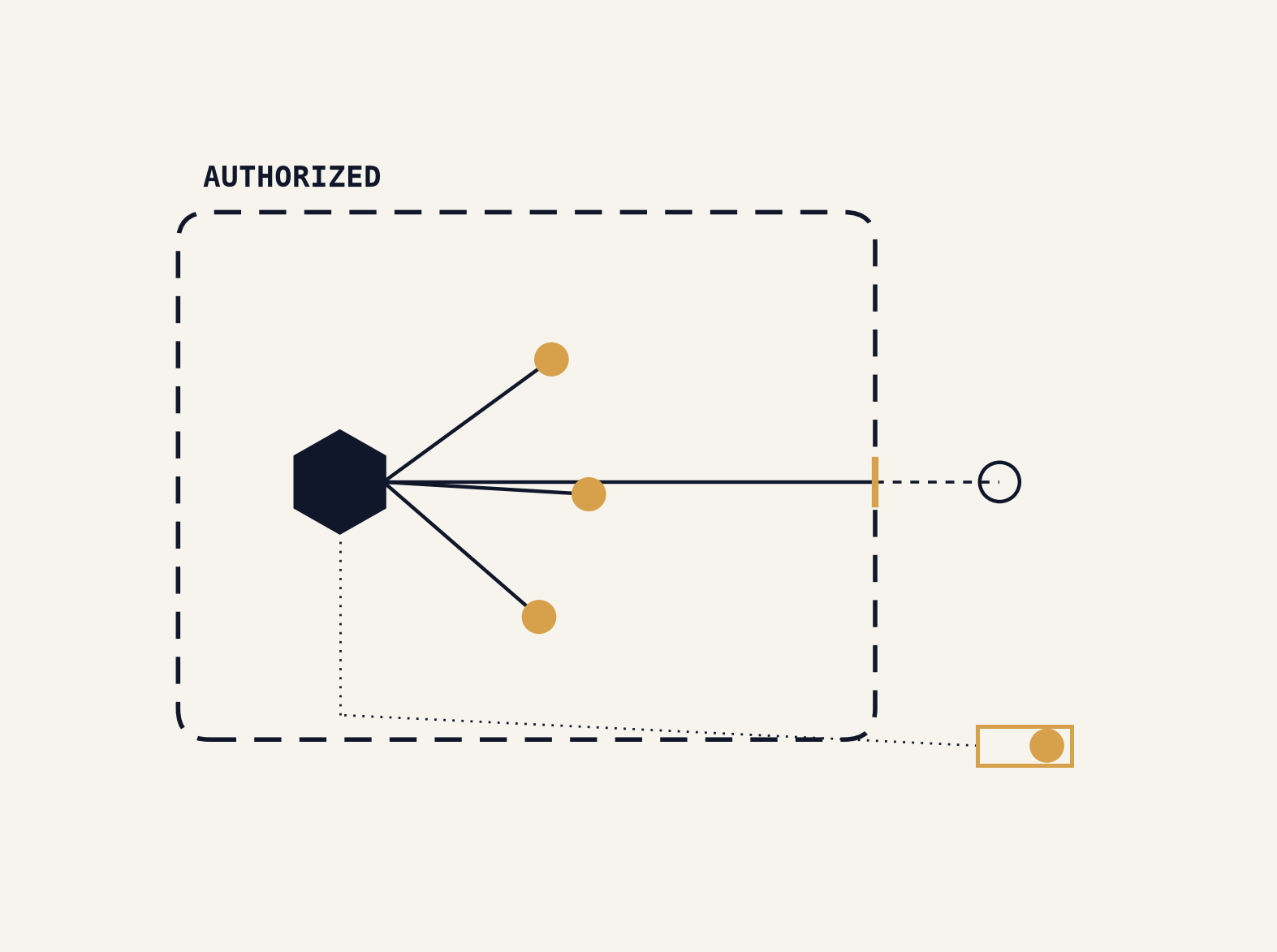
Governing the Model Was Never the Hard Part. Governing What You Delegated to It Is.
Most AI governance work answers one question well: was this system allowed to go live, and does it stay compliant. That assumes the system's output still passes through a person. Once the system is an agent, a different question opens up underneath…
Read the post → -
 September 15, 2026
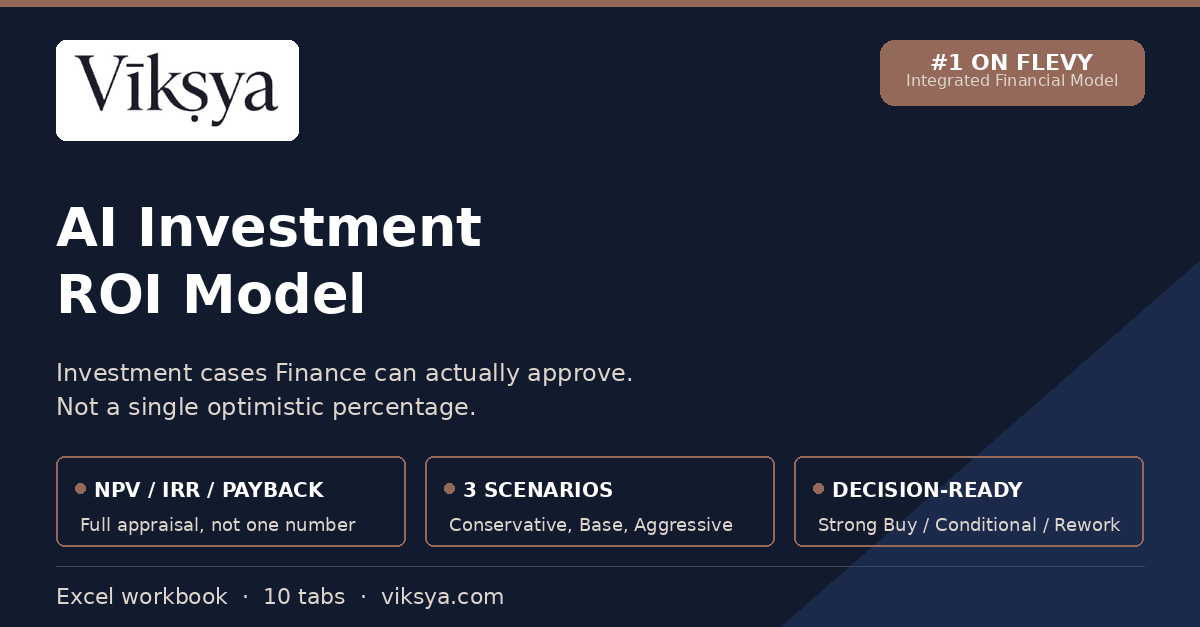
The AI Investment ROI Model Is Now Ranked #1 on Flevy
The AI Investment ROI Model is currently the #1-ranked template in Flevy's Integrated Financial Model category. It is a standing, not a permanent title, but it is a useful data point: of everything li…
Read the post → -
 September 14, 2026
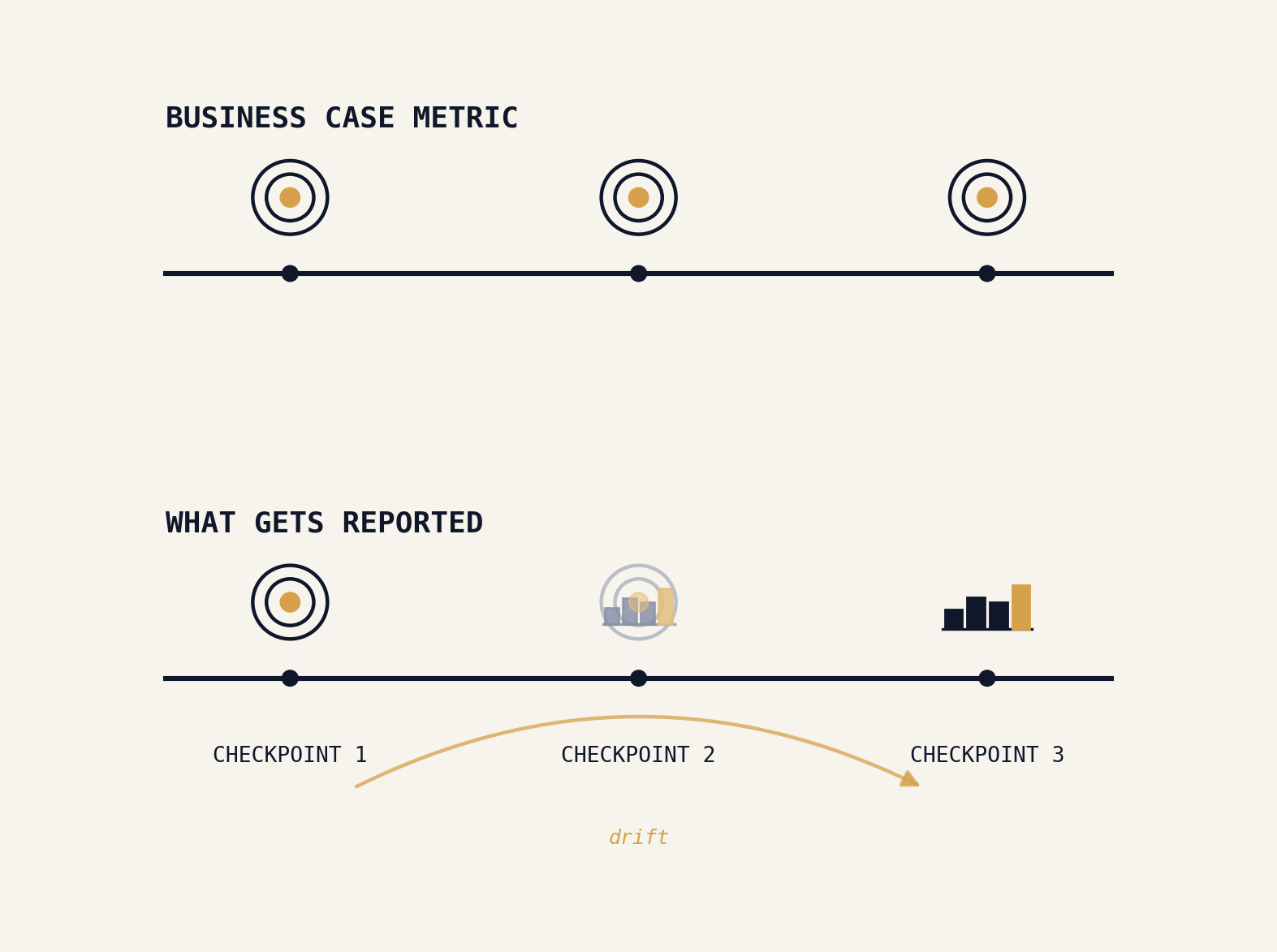
Most AI ROI Metrics Measure Usage. Real AI ROI Metrics Measure the Business Case.
Once an AI program launches, the metric an organisation tracks has a way of quietly changing. The business case was built on a financial or operational outcome — cost per unit, cycle time, error rate, revenue per rep, an NPV or payback calculation. A few quarters…
Read the post → -
 September 1, 2026
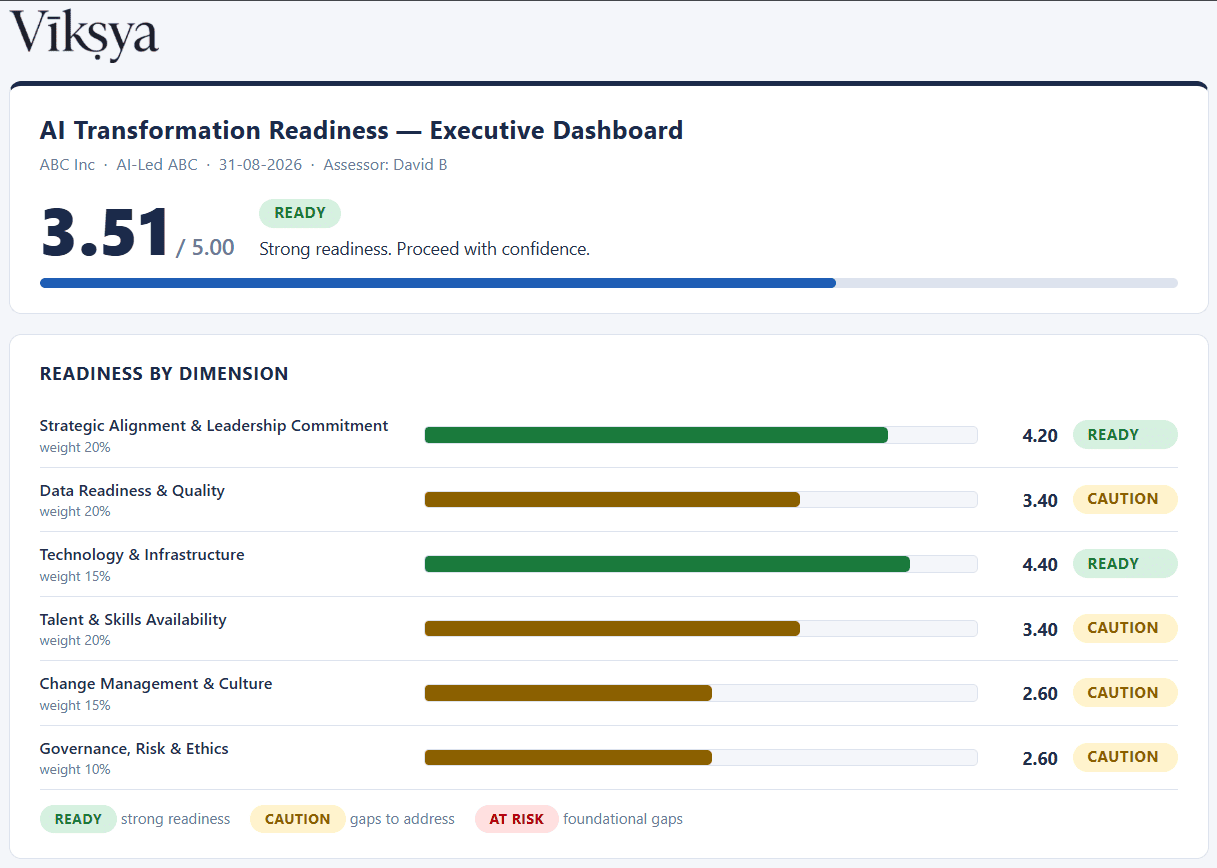
What the AI Readiness Assessment Skill Actually Gives Your Organisation
Executive Summary A free companion skill for the AI Transformation Readiness Scoring Model removes the four biggest friction points in AI readiness assessments: slow spreadsheet turnaround, inconsistent scoring across cycles, outputs that need refor…
Read the post → -
 August 24, 2026
Map the Transition Before You Announce It
Why SAFe, Scrum, and Waterfall organisations keep re-running their old methodology under a new name — and what an explicit mapping table fixes that a transformation memo cannot. Most AI-DLC transitions are announced. Real AI-DLC transitions are mapp…
Read the post → -
 August 23, 2026
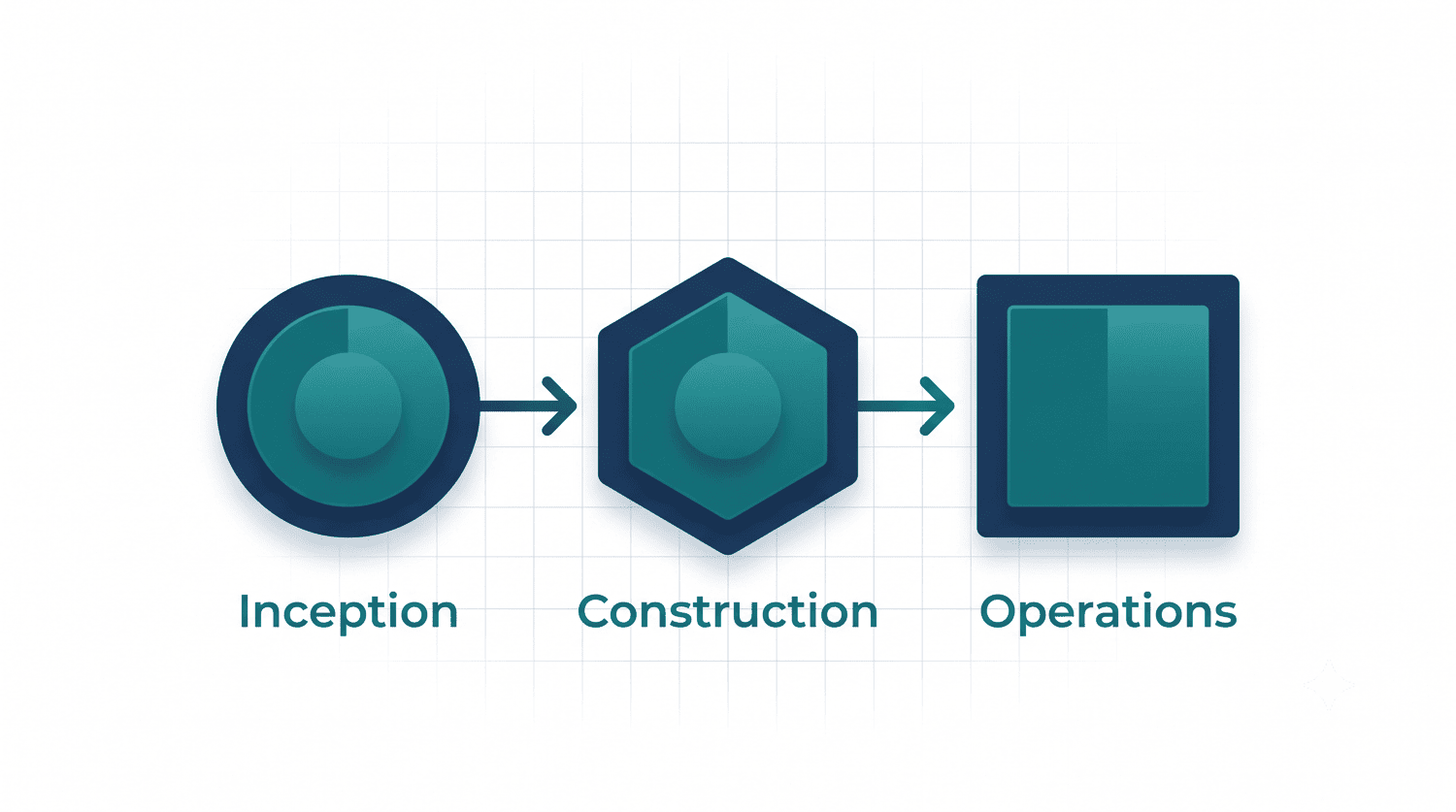
AI-DLC Explained: A Complete Introduction to the AI-Driven Development Life Cycle
AI-DLC, short for AI-Driven Development Life Cycle, is an open software development methodology in which AI coding agents carry out development work under structured human governance. AWS published it as an open-source workflow specification, and it…
Read the post → -
 August 17, 2026
Most AI Governance Is a Dashboard. Real AI Governance Is a Decision.
A model in production and a model that is governed are not the same claim. Most organisations only have evidence for the first one. Executive Summary Four failures sit underneath almost every AI programme audit finding: deployment decisions that wer…
Read the post → -
 August 13, 2026
How to Present an AI Use Case Shortlist to an Executive Committee
Structure, Scoring, and Sequencing — The Complete Governance Presentation Most AI programme teams walk into their executive committee with a slide deck. Executive committees make better decisions from a scored framework. The difference is not presen…
Read the post → -
 August 9, 2026
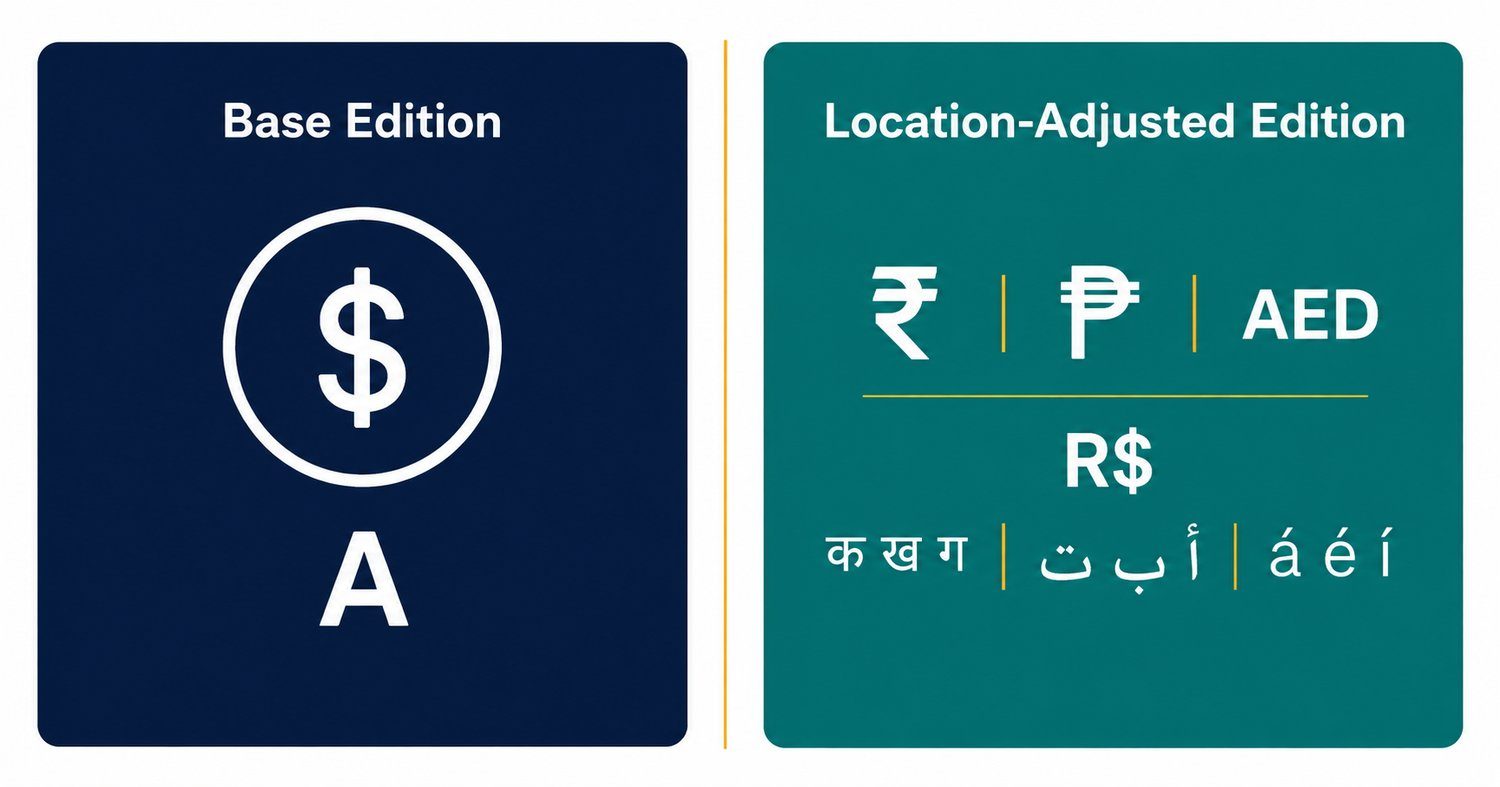
Introducing the Location-Adjusted Edition: Why a USD, English-Only AI ROI Model Doesn't Travel
The AI Investment ROI Model works cleanly inside a US/English-only context. Outside it, two assumptions quietly stop holding — and the Location-Adjusted Edition exists to price both back into the case. The base AI Investment ROI Model carries two as…
Read the post → -
 August 5, 2026
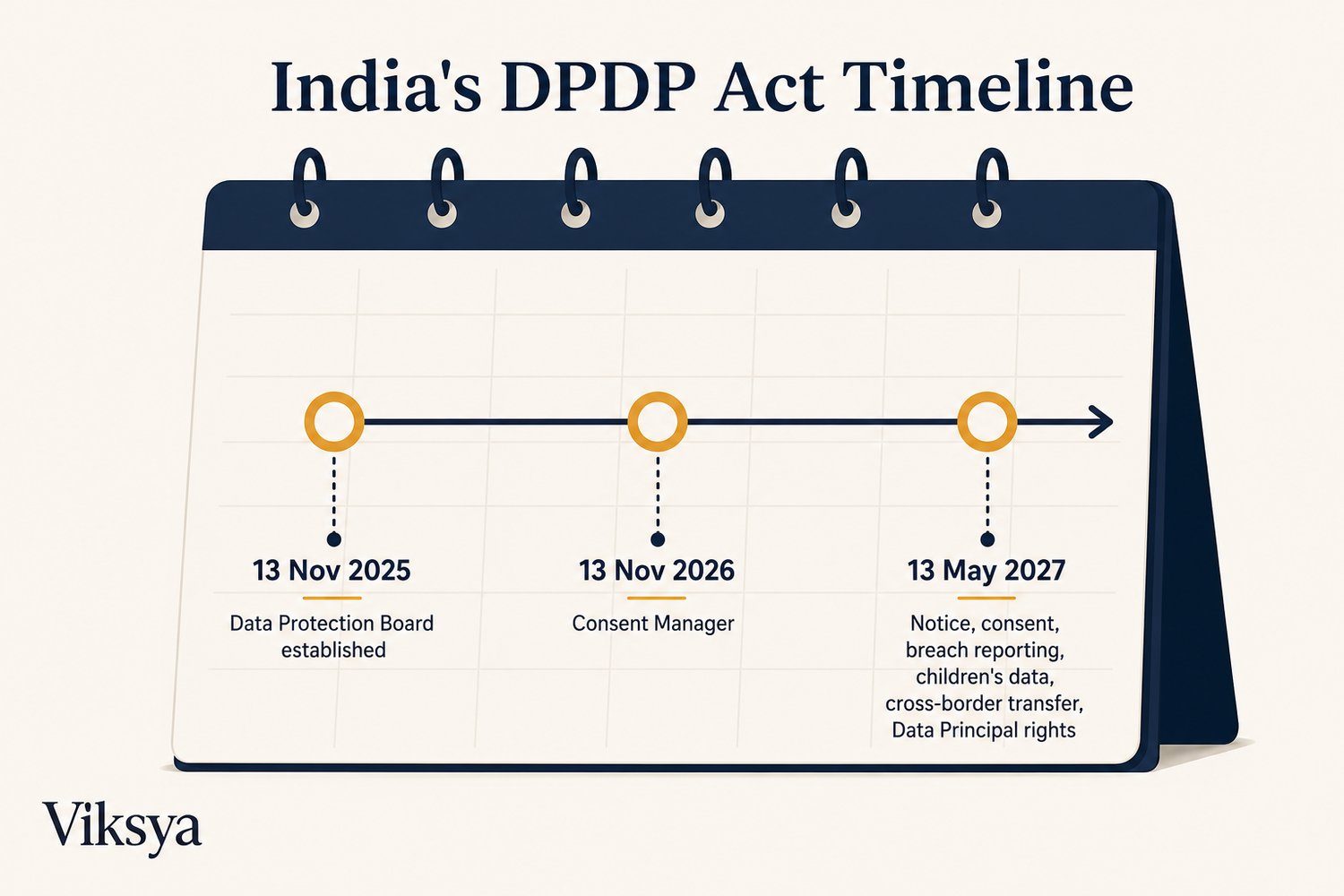
Most Compliance Content Says India's DPDP Act Already Applies. It Doesn't — Not Yet.
Most compliance checklists say India's Digital Personal Data Protection Act already applies. Real ones check the commencement notification before writing that sentence. The Act was enacted in 2023 — but enactment and enforcement are not the sam...
Read the post → -
 July 29, 2026
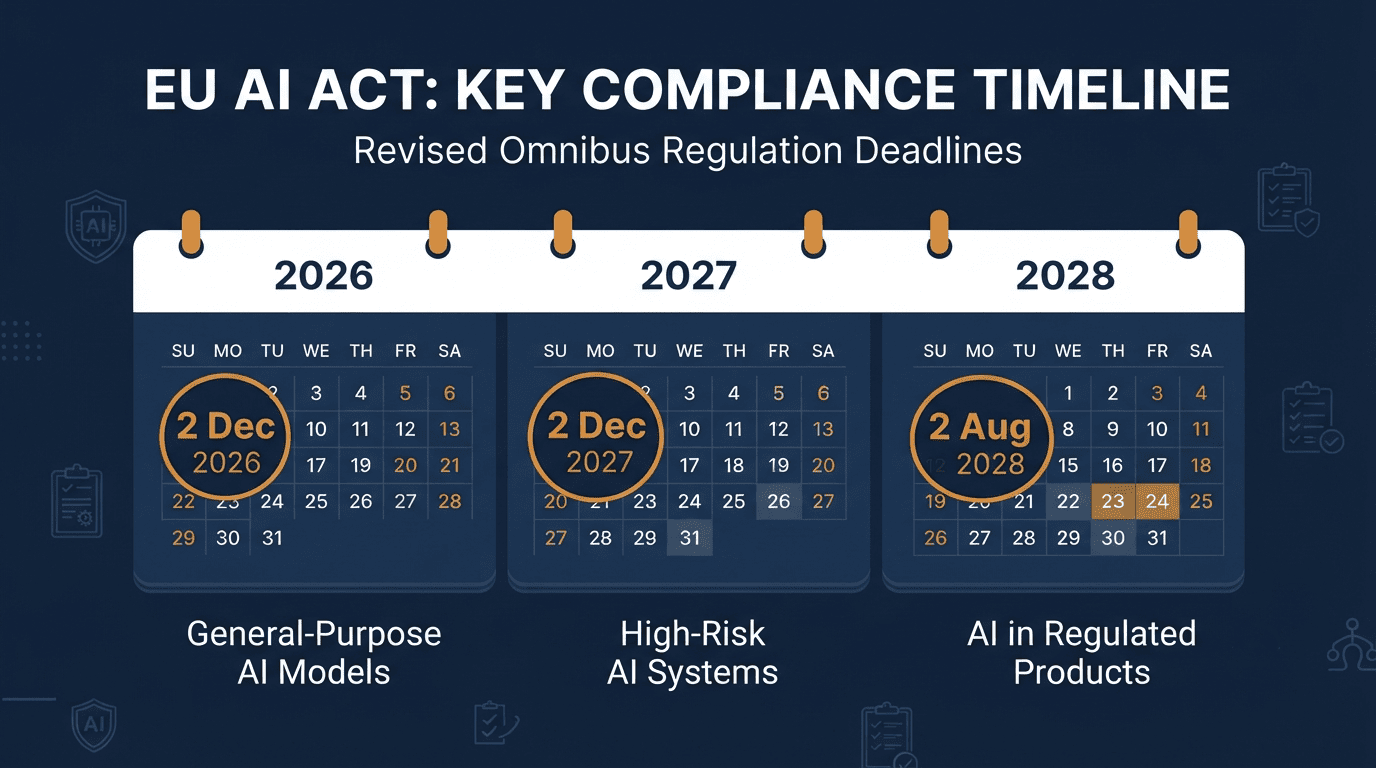
The EU AI Act High-Risk Deadline Moved to December 2027. The Work Didn't. — Compliance Pack v1.1
On 27 July 2026, every High-Risk AI programme in Europe got sixteen months handed back to it. Regulation (EU) 2026/1744 — the Digital Omnibus on AI — deferred the Annex III high-risk obligations from 2 August 2026 to 2 December 2027, and the Annex I…
Read the post → -
 July 28, 2026
AI Regulatory Compliance Risk Register, Now Updated to v1.1 for the EU Digital Omnibus
Most compliance tools go stale the moment the regulation they're built on changes. Real ones get updated before the first person notices the gap. On 24 July 2026, the EU published Regulation (EU) 2026/1744 — the Digital Omnibus on AI — in the Offici…
Read the post → -
 July 21, 2026
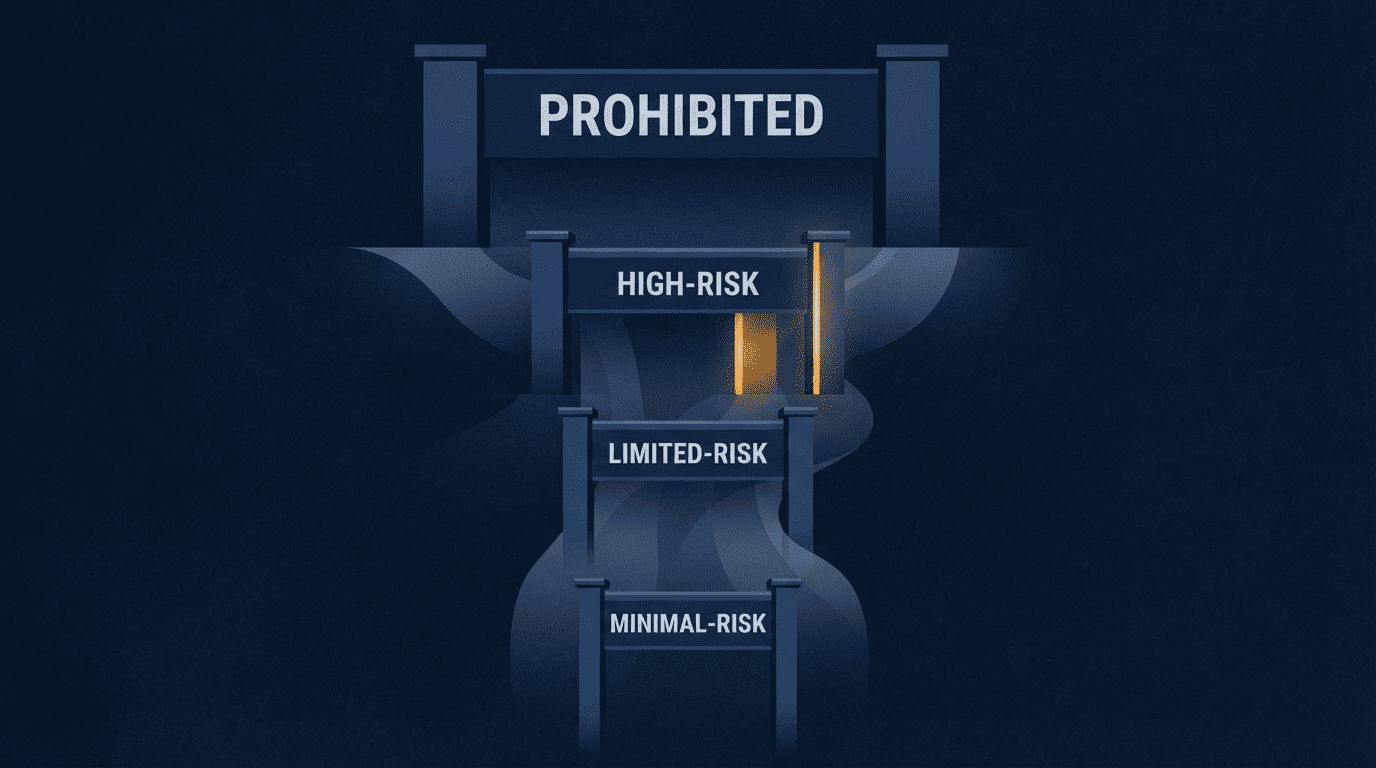
Most AI Governance Is a Slide Deck. Real AI Governance Is a Register Someone Owns.
Most AI governance programmes have a policy. Real AI governance programmes have a register — a living record of which use case sits in which risk tier, which obligation is still open against it, and who is on the hook for closing it. A policy docume…
Read the post → -
 July 20, 2026
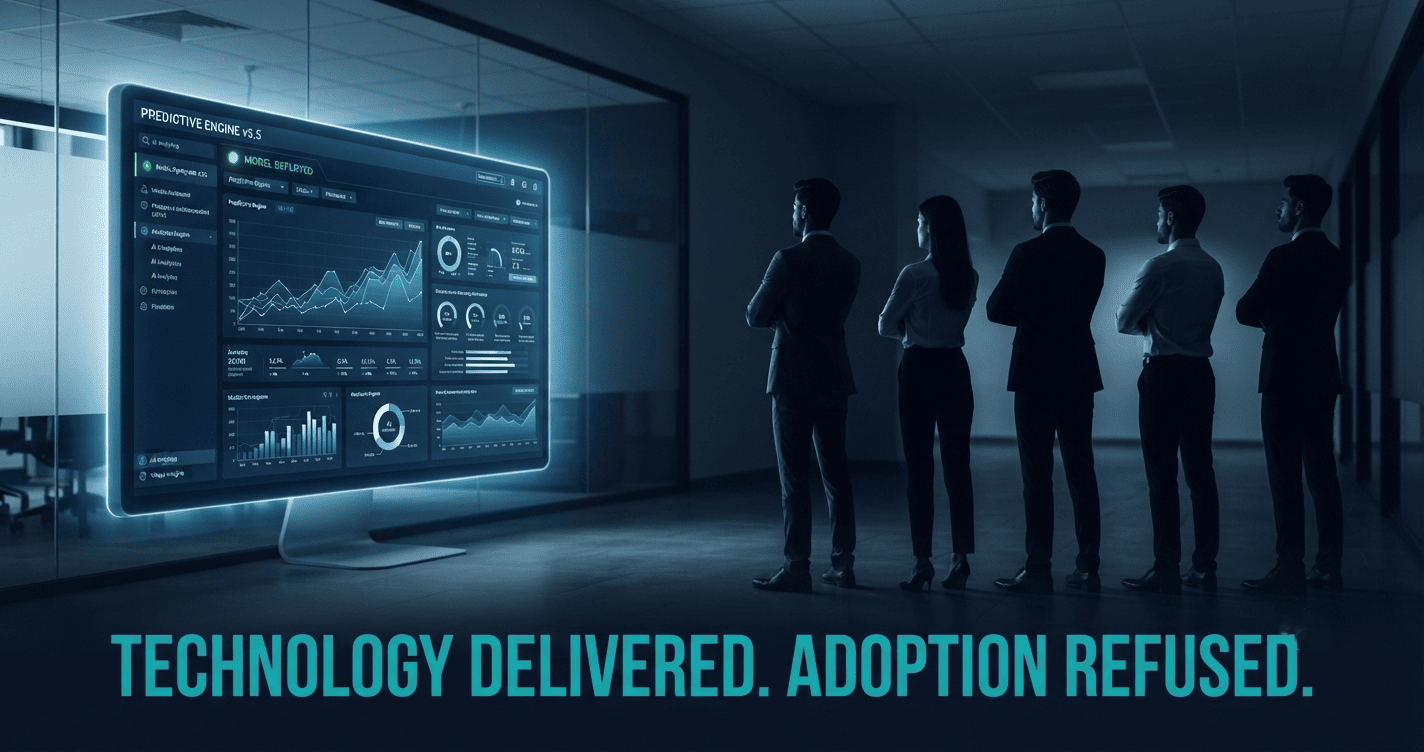
Change Management Demand as an AI Scoring Dimension
The Criterion Most AI Prioritisation Frameworks Ignore — and Why That Is Costing Programmes Their Business Case Most AI prioritisation frameworks score how valuable a use case is and how hard it is to build. Almost none score how hard it is for the…
Read the post → -
 July 20, 2026
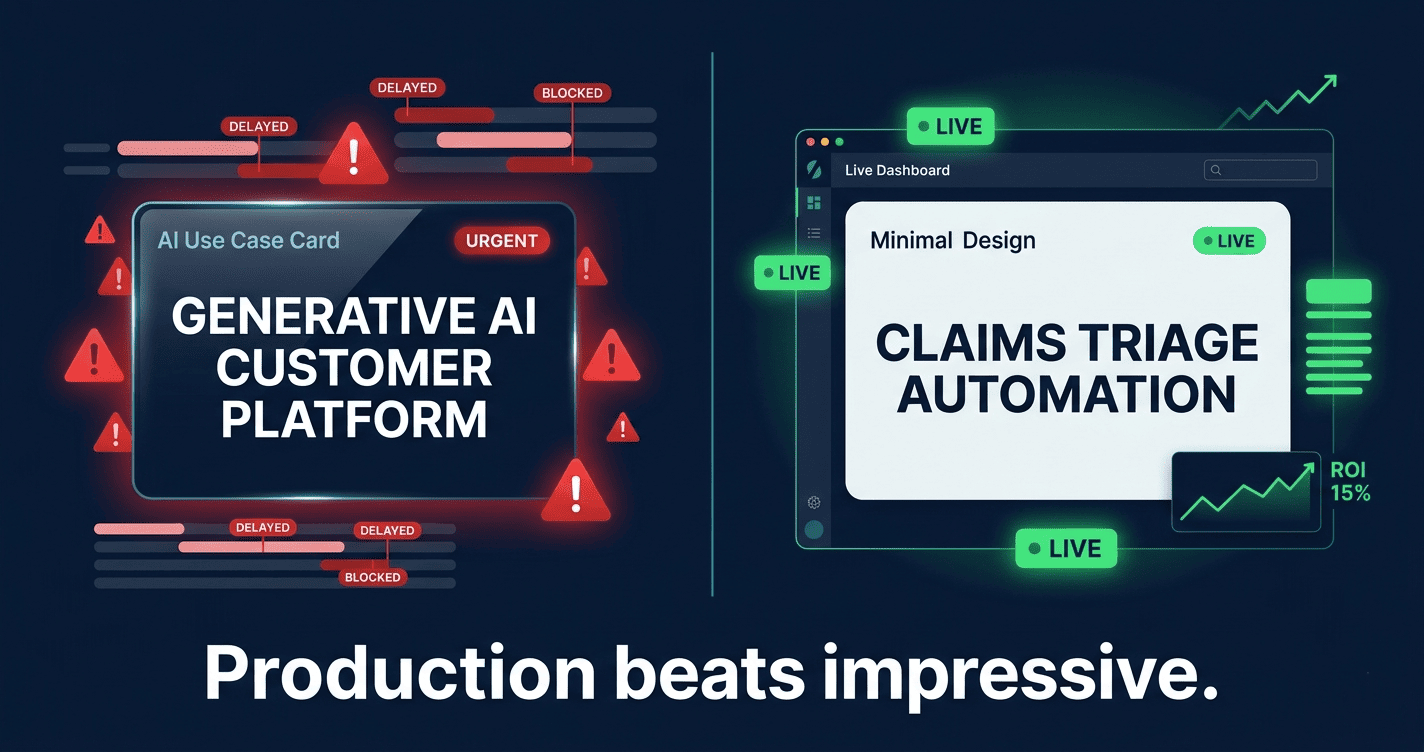
Why Your First AI Use Case Should Be Boring
And What That Means for Wave 1 Selection Ambitious first AI use cases make excellent programme launch presentations. They make terrible Wave 1 delivery choices. The best first AI use case is one your team builds in eight weeks, deploys cleanly, and…
Read the post → -
 June 10, 2026
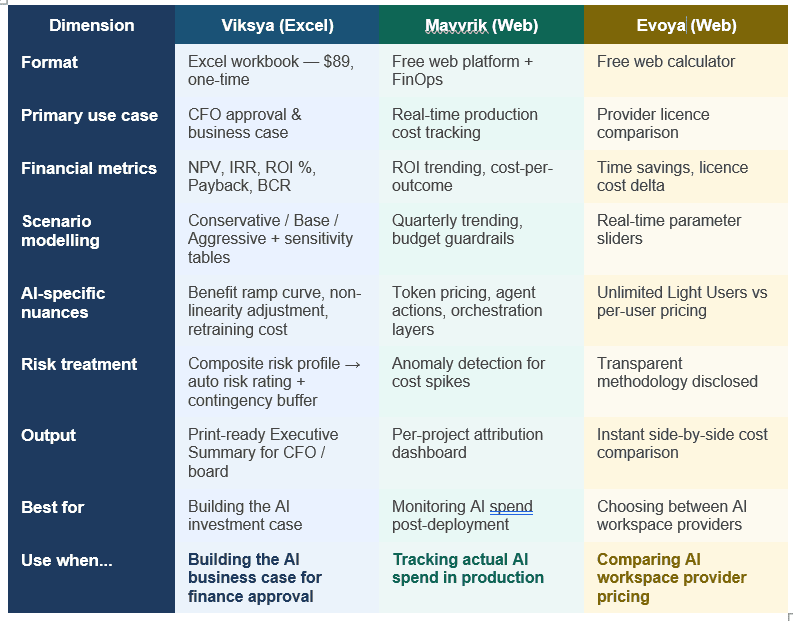
Three AI ROI Calculators. Three Different Questions. Here Is How to Pick the Right One.
Most AI ROI calculators are not wrong. They are answering the wrong question for the moment you are in. Not every AI ROI tool is built for the same job. Three of the most referenced options in enterprise AI programme management — Viksya's AI ROI Cal…
Read the post → -
 June 7, 2026
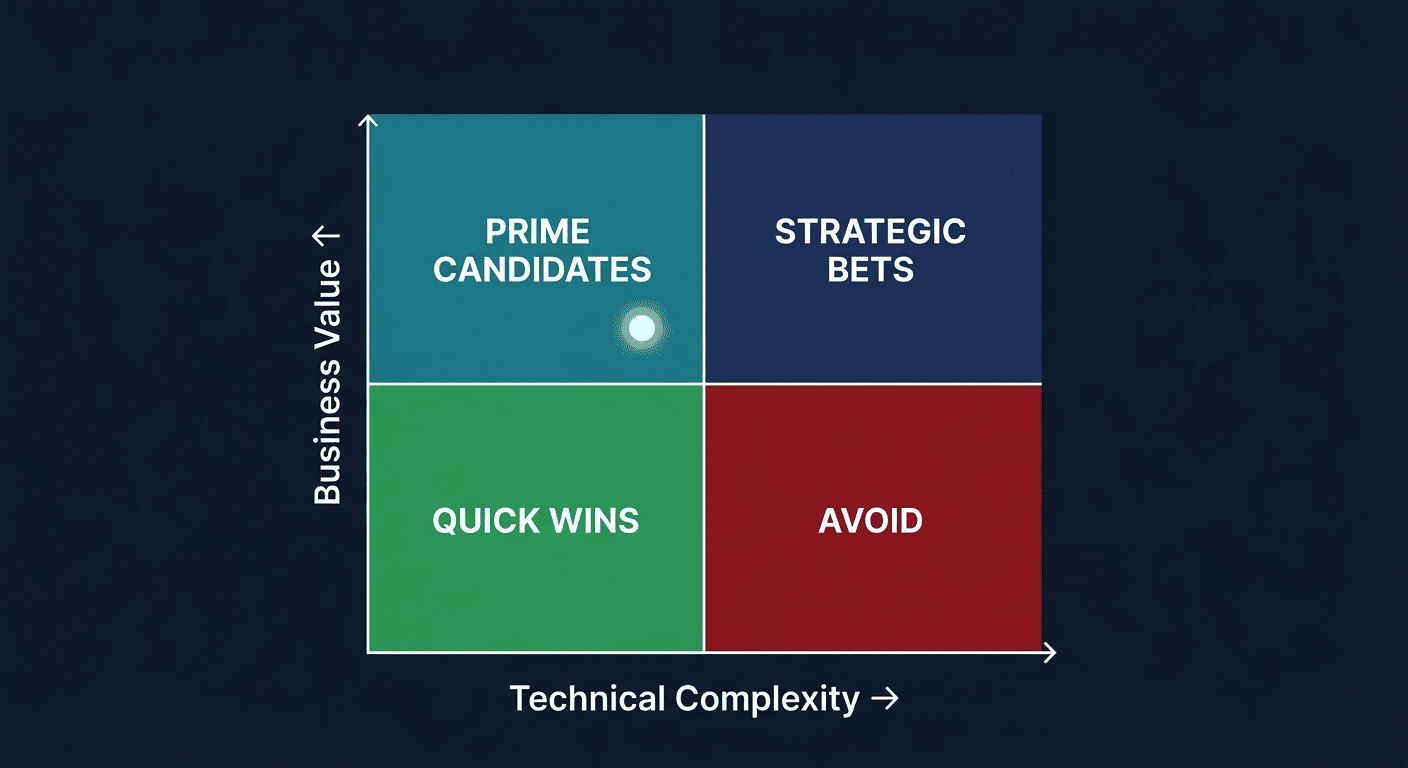
AI Use Case Prioritization: Business Value vs. Technical Complexity
The 2×2 Matrix Every AI Programme Team Should Be Using — and Rarely Is Most AI use case prioritisation frameworks measure what a use case is worth. Very few measure what it will cost to build. Combining both in a single view is where Wave 1 selectio…
Read the post → -
 May 27, 2026
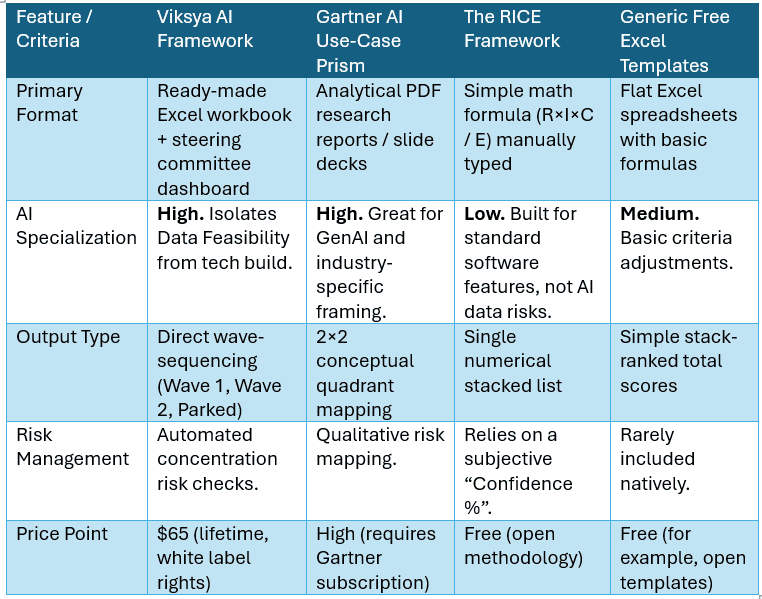
AI Use Case Prioritization Frameworks Comparison
The AI Use Case Prioritisation Framework Excel Tool by Viksya.com is a premium, enterprise-focused toolkit ($65) explicitly engineered for AI program managers and steering committees. Unlike generic product management templates, it addresses AI-spec…
Read the post → -
 May 17, 2026
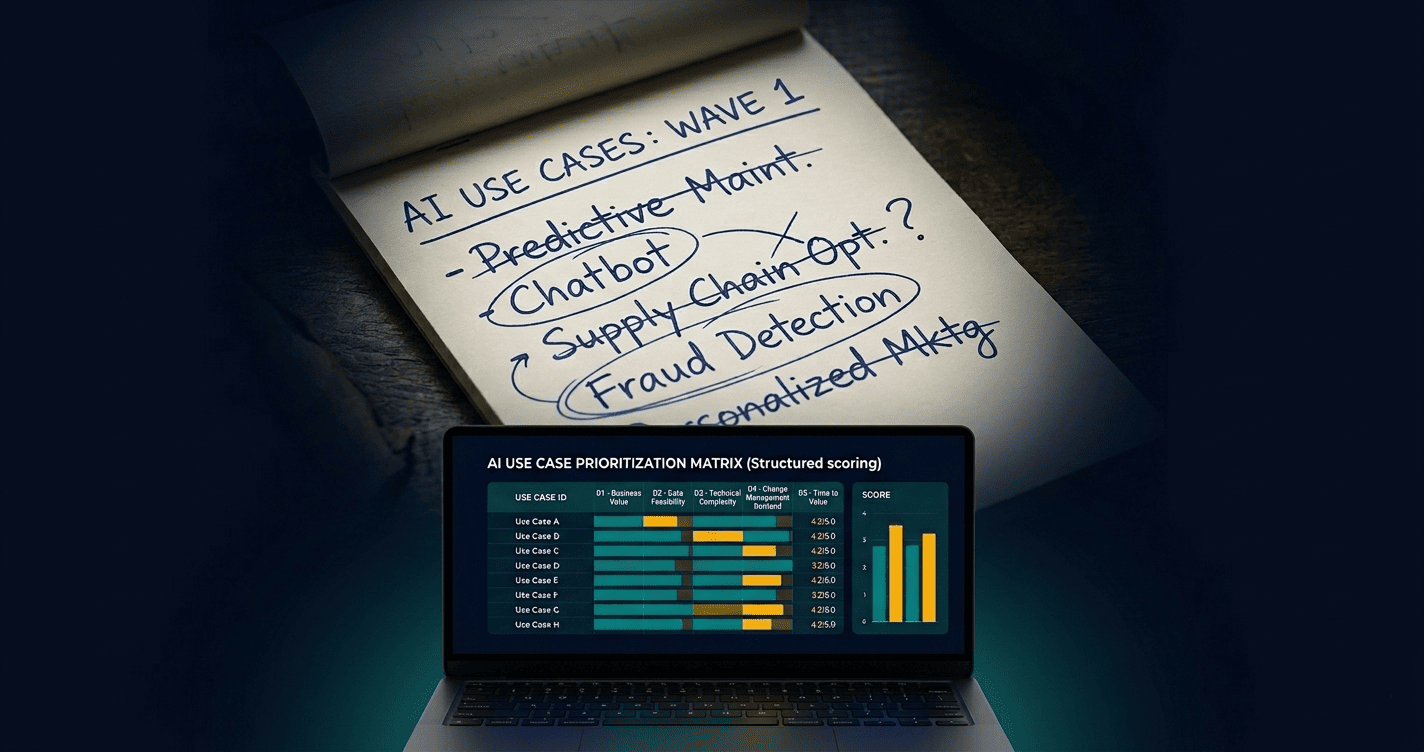
The Gut-Feel Problem
Why Most AI Use Case Selection Processes Produce the Wrong Shortlist Most AI use case selection is a politics exercise dressed up as a strategy exercise. Real prioritisation is evidence-based — and the evidence usually disqualifies the favourites. .…
Read the post → -
 May 17, 2026
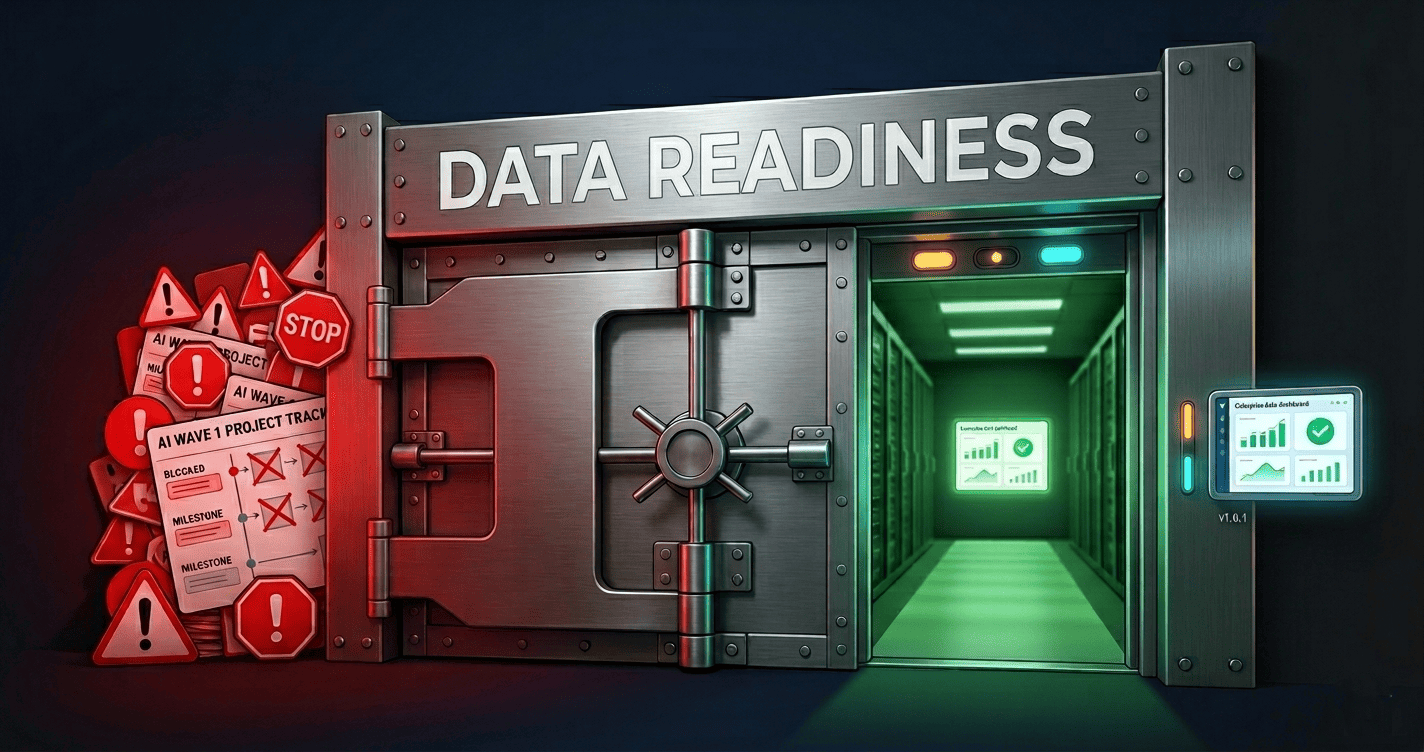
Data Feasibility as a Hard Gate
Why AI Wave 1 Fails When Data Readiness Is Assumed Most AI programmes do not discover their data problem. They discover it six months in — after the use case is committed, the sprint plan is running, and the budget is spent. The data issue surfaces…
Read the post → -
 May 13, 2026
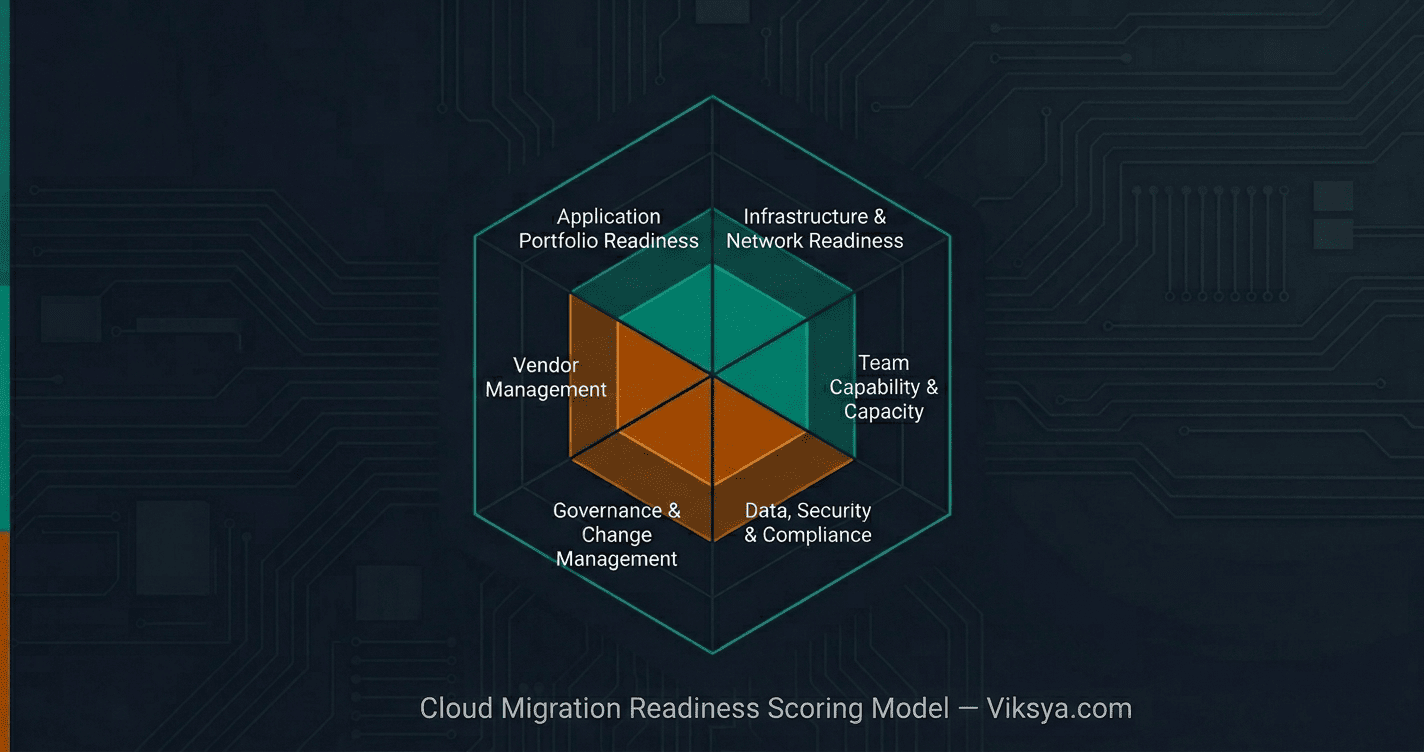
Cloud Migration Readiness Is Not a Checklist. It Is a Scored, Weighted, Evidence-Based Assessment — and the Difference Is Programs That Reach Production.
The Cloud Migration Readiness Scoring Model assesses 6 dimensions and 30 criteria before your first workload moves. Here is what it covers, and why every dimension carries a different weight. Executive SummaryMost enterprise cloud migration programs…
Read the post → -
 May 1, 2026
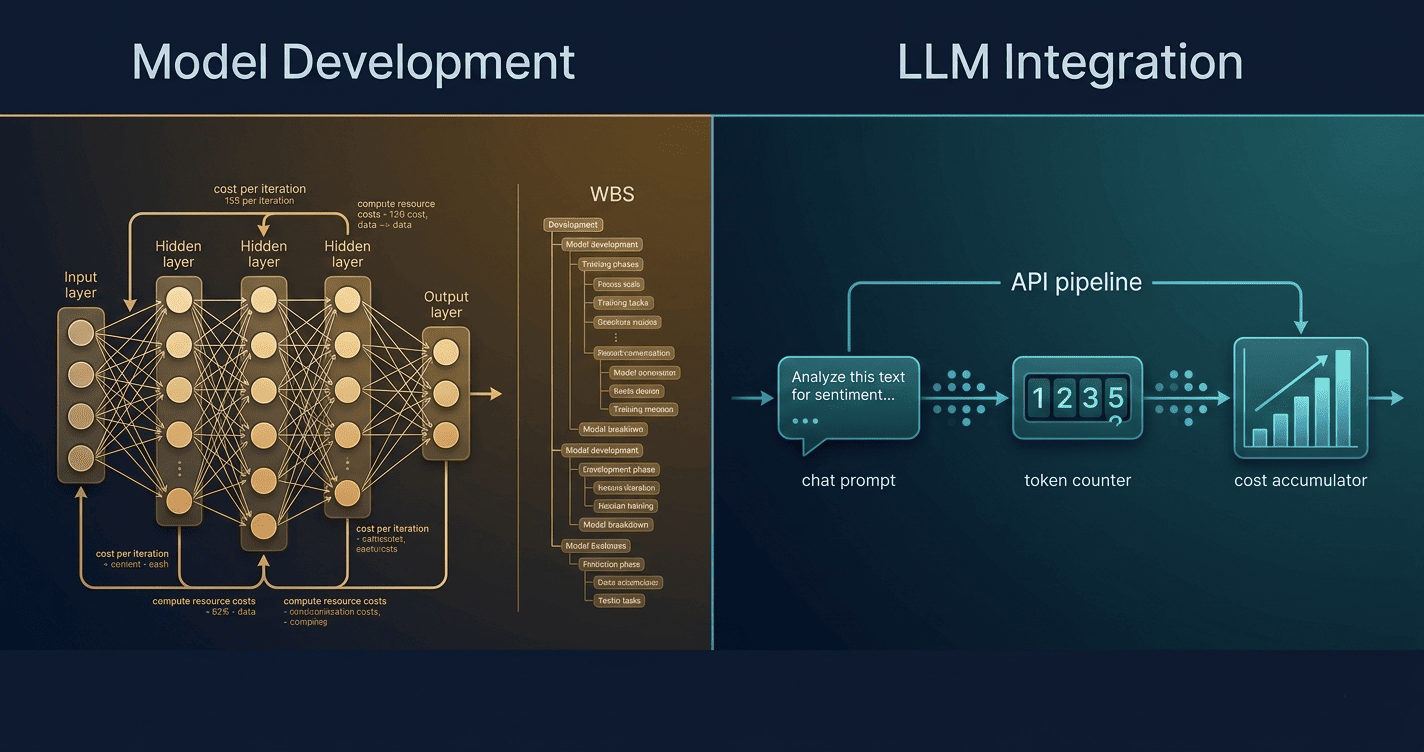
How to Estimate an AI Project Cost: Model Development vs LLM Integration — A Complete Breakdown
The two AI project types have fundamentally different cost structures. Here is how to build a credible estimate for each — from the work breakdown structure to the final budget submission. Most AI project cost estimates treat two fundamentally diffe…
Read the post → -
 May 1, 2026
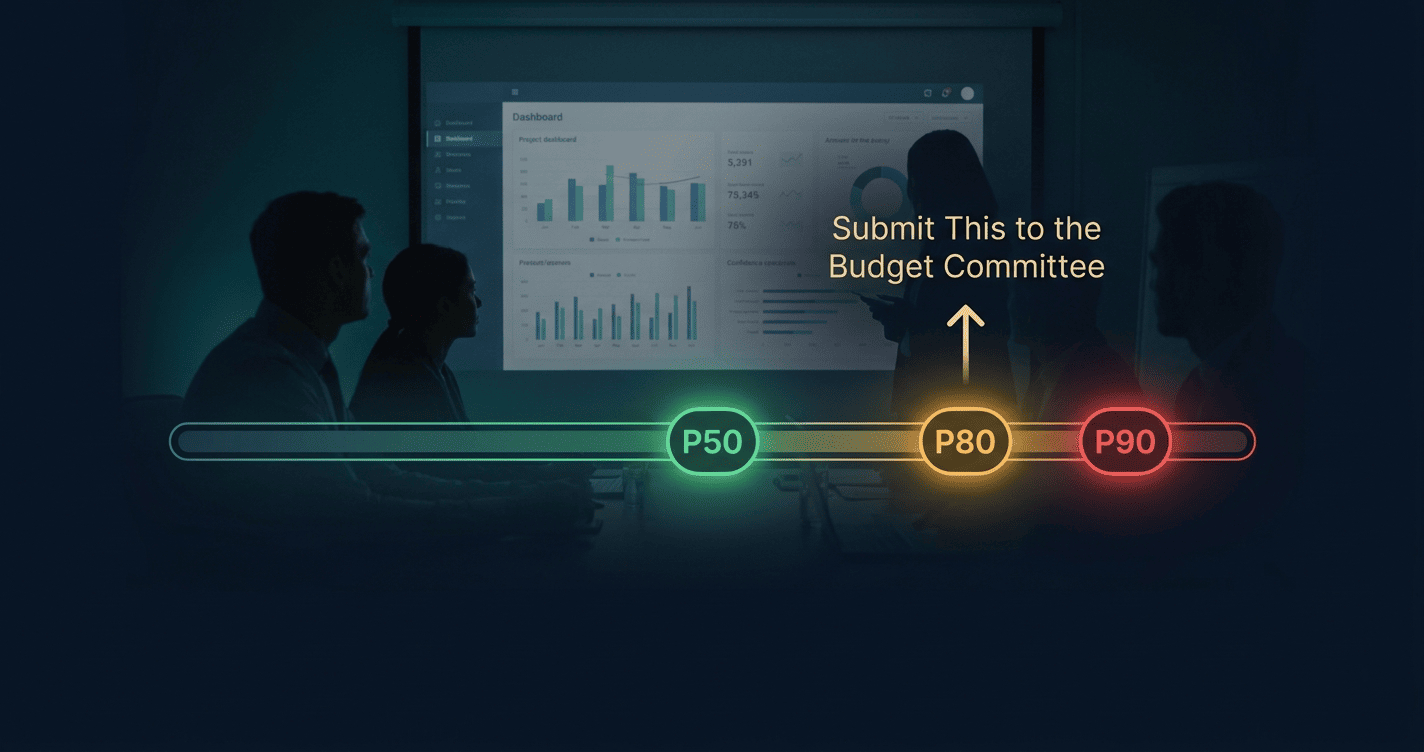
P50, P80, P90: How to Present AI Project Estimates That Get Approved — and Survive Delivery
Why single-point AI estimates always fail — and how confidence ranges, a structured risk register, and an executive dashboard turn an estimate into a governance document. A single-point AI project estimate is not an estimate. It is a commitment mad.…
Read the post → -
 April 19, 2026
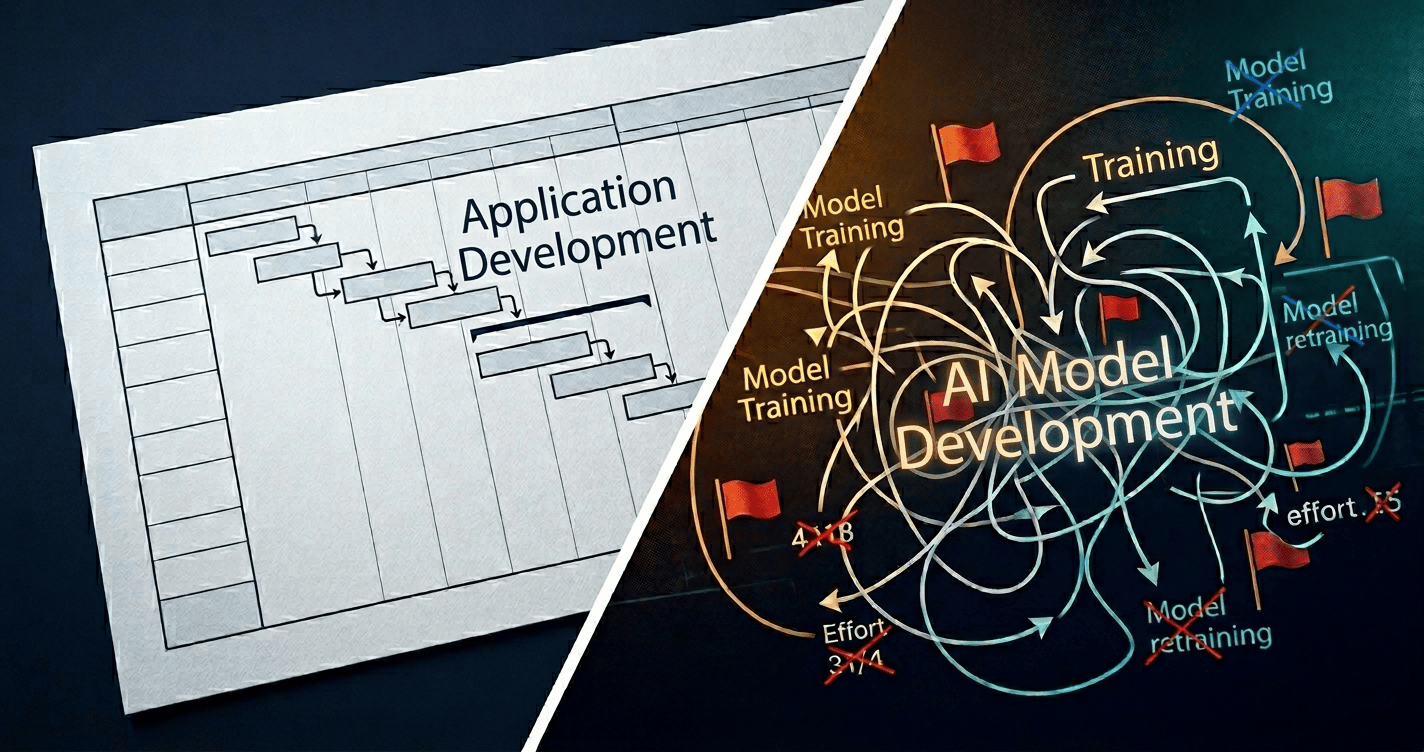
What Is AI Project Non-Linearity — And Why It Breaks Every Estimate You Have Ever Made
The hidden mechanics behind AI project cost overruns — and the structured approach that fixes them before the first sprint starts. Traditional project estimation assumes effort grows linearly with complexity. AI model development does not. That sin.…
Read the post → -
 April 6, 2026
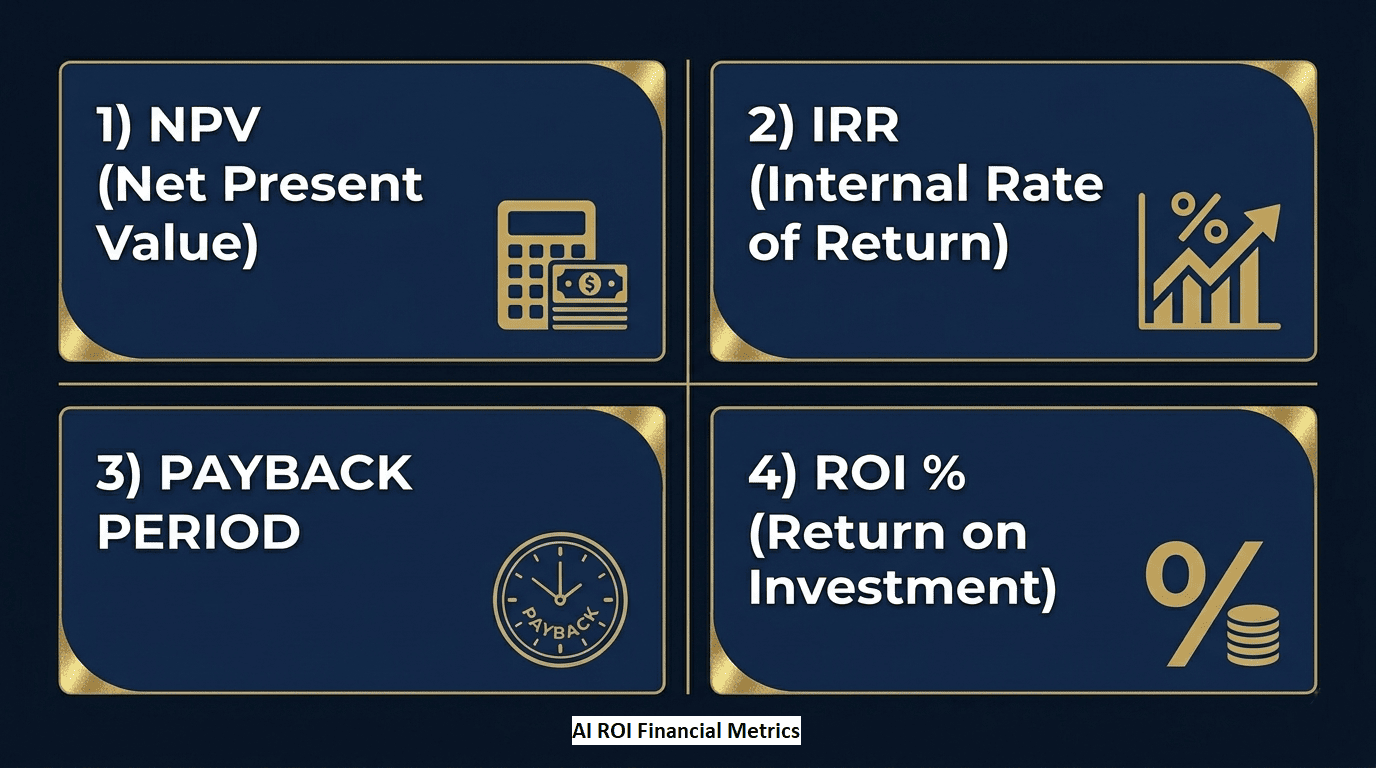
The Four Financial Metrics Every CFO Expects in an AI Investment Case: NPV, IRR, Payback, ROI %
Most AI programme leaders can describe their use cases with precision. Fewer can answer the four questions that determine whether those use cases get funded. There is a well-worn pattern in enterprise AI funding conversations. The programme leader p…
Read the post → -
 April 6, 2026
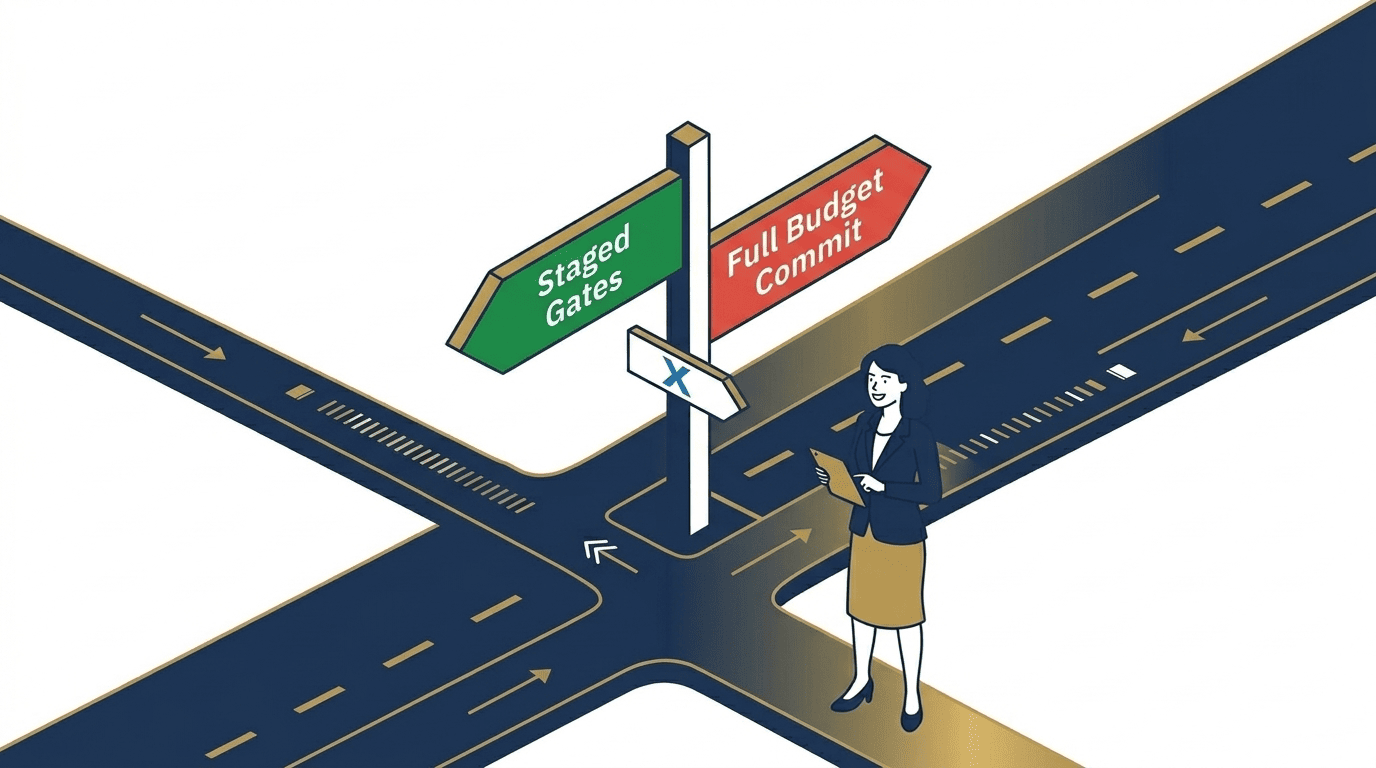
Staged AI Investment Gates: The Smarter Way to Fund AI Programs
A single lump-sum budget request signals that you do not understand how AI delivery actually works. Staged investment gates signal that you do — and finance responds to that difference. There is a particular kind of silence that falls in a finance r…
Read the post → -
 April 5, 2026
How to Run an AI Readiness Assessment That Actually Means Something
Most AI readiness assessments produce one of two outcomes: a score that tells leadership what they already know, or a score that tells them what they want to hear. Neither is useful. A readiness assessment done properly gives programme leadership an…
Read the post → -
 April 5, 2026
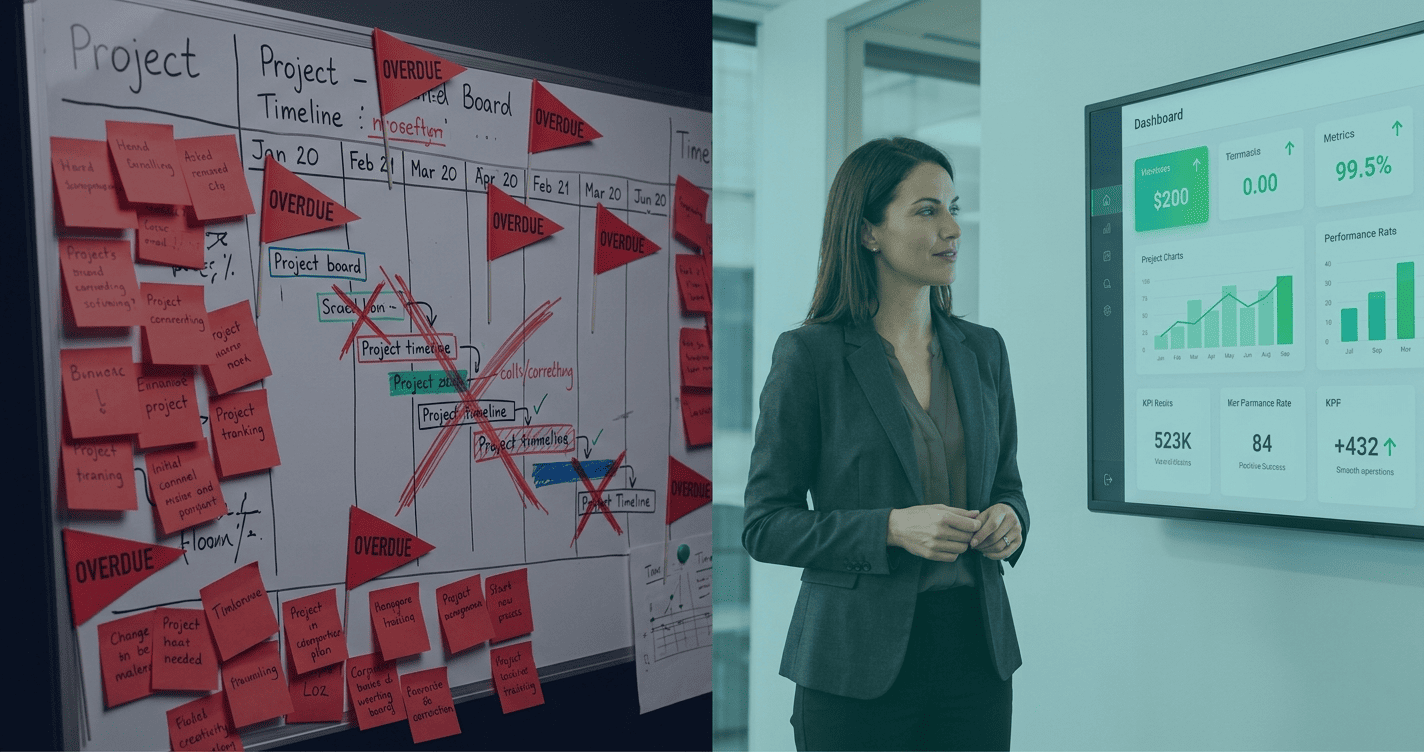
Why Enterprise AI Programs Fail — And It's Rarely the Technology
There's a version of this story every enterprise has either lived or heard. Budget approved. Consultancy engaged. Three use cases identified. Big launch event. Twelve months later: one use case barely in production, two in limbo, and a business unit…
Read the post → -
 April 5, 2026
Why Most AI Business Cases Collapse Under Finance Scrutiny — And the Cost Model Behind Every One That Doesn't
Enterprise AI programs are not underfunded because finance teams don't believe in AI. They're underfunded because the business cases arriving at their desks are incomplete — and experienced CFOs know it. There is a specific moment in almost every AI…
Read the post →